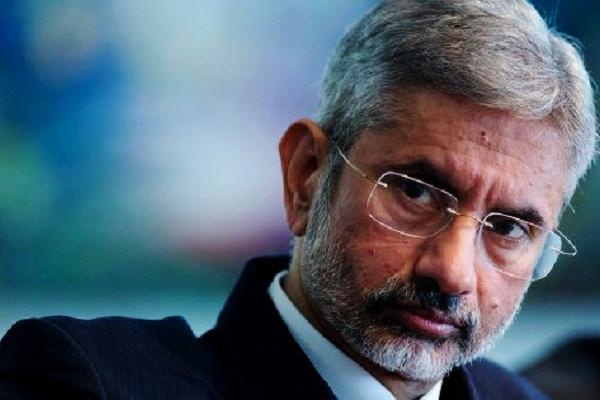
India has reaffirmed its commitment to strengthening its strategic partnership with Ethiopia and advancing Africa’s representation in global institutions. External Affairs Minister Dr. S. Jaishankar met Ethiopian Prime Minister Abiy Ahmed Ali in Addis Ababa on October 9, 2026, during the final leg of his three-nation African visit.
The meeting highlighted growing cooperation between India and Ethiopia, their shared development priorities and the importance of South-South solidarity. During his engagements in Addis Ababa, Jaishankar also called for reforms to the United Nations Security Council, stressing that India and Africa must receive fair representation in international decision-making.
His visit brought together two important dimensions of India’s Africa policy: expanding bilateral partnerships and building a stronger collective voice for developing nations in global governance.
Jaishankar Meets Ethiopian Prime Minister Abiy Ahmed Ali
During his meeting with Prime Minister Abiy Ahmed Ali, Jaishankar conveyed personal greetings from Prime Minister Narendra Modi and acknowledged the progress in bilateral relations. He noted that India-Ethiopia cooperation had gained considerable momentum in recent years, reflecting the two countries’ common development aspirations.
The meeting followed discussions between Jaishankar and Ethiopian Foreign Minister Gedion Timothewos on October 9. The two ministers reviewed opportunities to deepen cooperation in education, culture, trade, investment and digitalisation. They also exchanged views on international developments, multilateral cooperation and the partnership between India and the African Union.
India and Ethiopia elevated their relationship to a Strategic Partnership in December 2025, during Prime Minister Modi’s visit to Addis Ababa. The visit resulted in agreements covering customs cooperation, digital infrastructure, UN peacekeeping training, educational scholarships and capacity building. These initiatives established a broader institutional foundation for cooperation between the two countries.
India and Africa Deserve Greater Representation in the UN Security Council
Addressing a gathering at the Adwa Victory Memorial Museum in Addis Ababa, Jaishankar called for fundamental reforms to the United Nations Security Council. He argued that India and Africa could no longer remain underrepresented in institutions responsible for making decisions affecting international peace and security.
The External Affairs Minister supported fair African representation in both permanent and non-permanent categories of Security Council membership. His remarks reflected India’s longstanding position that the composition of the Council must better represent contemporary geopolitical realities.
Jaishankar also recalled India’s efforts during its G20 presidency in 2023, when the African Union became a permanent member of the grouping. The development gave African countries a collective voice in one of the world’s principal forums for international economic cooperation.
For India, reforming global institutions remains closely connected to strengthening multilateralism. New Delhi has consistently advocated a more representative Security Council that gives developing countries a meaningful role in decisions affecting their security and economic interests.
India and Africa Seek a Stronger Voice for the Global South
Jaishankar urged India and African countries to work together to amplify the concerns of the Global South, particularly as international conflicts and economic disruptions continue to affect developing economies.
He drew attention to the challenges created by rising costs and supply disruptions involving fuel, food, fertilisers and finance. Describing these interconnected pressures as the 4F crisis, he noted that international conflicts and the earlier COVID-19 pandemic had affected the development prospects of poorer countries.
These challenges have reinforced the importance of cooperation among developing nations in areas such as food security, agricultural productivity, infrastructure and access to technology. Jaishankar emphasised that international partnerships should strengthen domestic capabilities and enable countries to pursue their development priorities independently.
India’s approach places particular emphasis on practical development cooperation, including human resource development, technology sharing and institutional capacity building. Such partnerships seek to create lasting economic opportunities while respecting the development choices of participating countries.
India-Africa Trade Nears $100 Billion as Development Cooperation Expands
Highlighting the economic foundation of India-Africa relations, Jaishankar stated that India had become Africa’s fourth-largest trading partner, with bilateral trade approaching $100 billion.
He also noted that more than 220 Indian-supported development projects, valued at approximately $4.5 billion, had been completed across the African continent. These projects reflect India’s engagement in infrastructure development, capacity building and other sectors contributing to economic growth.
The External Affairs Minister encouraged Indian businesses to expand their investments in African economies. He identified food security, agriculture and sustainable development as important areas for deeper cooperation.
India’s engagement with Africa extends beyond conventional trade relationships. Educational exchanges, professional training, technological cooperation and development assistance have become integral components of its partnership with African countries.
Adwa’s Historic Victory Connects India and Africa’s Anti-Colonial Traditions
Speaking at the Adwa Victory Memorial Museum, Jaishankar recalled Ethiopia’s historic victory over Italian forces at the Battle of Adwa in 1896. The victory preserved Ethiopia’s independence and became an enduring symbol of African resistance to European colonial expansion.
He observed that Ethiopia’s achievement had inspired anti-colonial movements and resonated with India’s own struggle for independence. The historical connection illustrates the shared experiences that continue to shape relations between India and African nations.
Jaishankar also drew attention to the compatibility between India’s Viksit Bharat 2047 vision and the African Union’s Agenda 2063. While India seeks to become a developed nation by the centenary of its independence, Agenda 2063 outlines Africa’s aspirations for inclusive growth, integration and sustainable prosperity.
Both development frameworks recognise the importance of infrastructure, connectivity, technological progress and human capital. They also emphasise expanding opportunities for women and young people while strengthening economic self-reliance.
India and Ethiopia Advance a Wider Partnership for Development and Global Governance
Ethiopia occupies an important position in India’s engagement with Africa because Addis Ababa hosts the headquarters of the African Union. The country’s diplomatic significance makes it a valuable partner for discussions involving regional cooperation and international institutional reform.
Jaishankar’s engagements in Ethiopia formed part of his October 6–10 visit to Ghana, Côte d’Ivoire and Ethiopia. The tour focused on reviewing bilateral relations, expanding economic and development cooperation, and strengthening India’s partnerships across the African continent.
The discussions in Addis Ababa demonstrated how bilateral diplomacy and wider India-Africa cooperation can reinforce each other. Stronger commercial relationships, investments in human capital and shared positions on international reforms provide practical foundations for a more balanced partnership.
India and Ethiopia’s expanding Strategic Partnership, together with their commitment to a stronger Global South, reflects a shared vision of development, self-reliance and equitable international cooperation. As India deepens its engagement across Africa, these partnerships will contribute to greater economic opportunities and a more representative global order.
References
- News On AIR — October 10, 2026: EAM Jaishankar Calls on Ethiopian Prime Minister Abiy Ahmed Ali in Addis Ababa
- News On AIR — October 10, 2026: India, Africa Cannot Remain Underrepresented in UN Security Council: EAM S. Jaishankar
- News On AIR — October 9, 2026: EAM Jaishankar Visits Ethiopia’s National Palace and Museum in Addis Ababa
- News On AIR — December 17, 2025: India and Ethiopia Elevate Ties to Strategic Partnership
- News On AIR — October 6, 2026: EAM S. Jaishankar Visits Ghana, Côte d’Ivoire and Ethiopia to Review Bilateral Ties and Cooperation
You may also like
-
Indian Army Hosts 65 Defence Attachés From 50 Countries, Showcases India’s Indigenous Defence Capabilities
-
Colombia Seeks India’s Counter-Drone Technology and Stronger Security Cooperation to Combat Drug Cartels
-
India and Ethiopia Move to Strengthen Strategic Partnership as Jaishankar Arrives in Addis Ababa
-
India and Russia Explore New Defence Co-Production and Joint Technology Development Opportunities
-
India and Côte d’Ivoire Move to Strengthen Defence, Counterterrorism and Economic Cooperation
