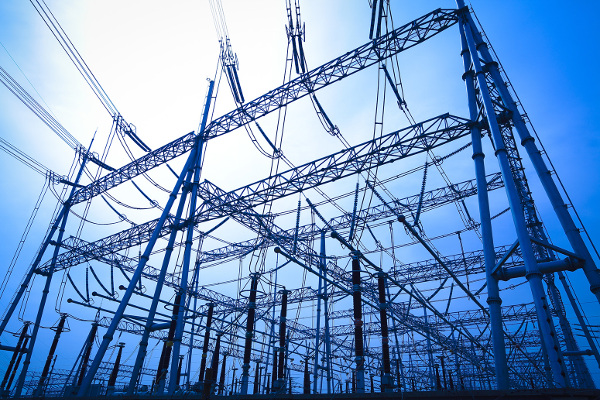
India has taken a major step towards developing its first 1,150-kilovolt ultra-high-voltage electricity transmission network, with the National Committee on Transmission (NCT) recommending a ₹68,816 crore project designed to strengthen power connectivity between the country’s western and eastern regions. The proposed infrastructure will facilitate the transfer of large quantities of electricity from renewable energy generation centres in Rajasthan and other western states to industrial and urban demand centres in eastern India.
The project was recommended during the 45th meeting of the National Committee on Transmission held on November 9, 2026, with the proceedings released by the Central Electricity Authority on November 10. The proposed network incorporates advanced 1,150-kV alternating-current transmission infrastructure alongside a 6,000-megawatt high-voltage direct-current connection linking Rajasthan and Chhattisgarh.
The transmission corridor represents one of India’s most ambitious electricity grid expansion proposals and is intended to address the growing need for long-distance power transmission as renewable energy generation, industrial electrification and green hydrogen production expand across the country.
National Committee Recommends ₹68,816 Crore Transmission Project
The National Committee on Transmission has recommended the development of the first phase of the ultra-high-capacity transmission network at an estimated cost of ₹68,816 crore. The proposal follows technical studies and consultations undertaken by the Central Electricity Authority and Central Transmission Utility of India Limited.
The proposed first phase will establish major transmission infrastructure across Chhattisgarh, Odisha and West Bengal, supported by a high-capacity connection carrying electricity from Rajasthan’s renewable energy generation centres.
The project is expected to require approximately 72 months for implementation following the necessary approvals and allocation of development responsibilities.
The NCT recommendation represents an important milestone in the transmission planning process. However, the project remains subject to the applicable final government approvals and subsequent implementation procedures.
The strategic importance of the proposal lies in establishing an electricity transmission backbone capable of moving substantially larger quantities of power between generation-rich and demand-intensive regions of India.
India’s First 1,150-kV Ultra-High-Voltage Transmission Network
The proposed transmission network will introduce 1,150-kV alternating-current technology into India’s electricity grid. The country’s existing high-voltage alternating-current transmission infrastructure predominantly operates at voltage levels of up to 765 kV.
According to technical planning documents prepared by CTUIL, the proposed 1,150-kV system offers substantially greater power-transfer capability compared with existing 765-kV infrastructure.
The planning studies identify a surge impedance loading of approximately 5,500 MW and a thermal transfer capability of around 14,000 MVA for the proposed transmission configuration. Actual operational transfer capability will depend on equipment ratings, system configuration and network operating conditions.
Ultra-high-voltage transmission enables large quantities of electricity to be transported over long distances more efficiently. By increasing the transmission voltage, power utilities can reduce current for a given power transfer, thereby limiting electrical losses and improving the utilisation of transmission corridors.
The introduction of 1,150-kV technology would represent a major advancement in India’s power transmission infrastructure, allowing higher electricity transfers while reducing the requirement for multiple parallel transmission corridors.
The proposed system will also incorporate associated substations, transformers, reactors and interconnections with existing 765-kV and 400-kV networks.
Rajasthan to Chhattisgarh: A 6,000-MW Power Transmission Link
An important component of the proposed network is a 6,000-MW high-voltage direct-current transmission link connecting Bhadla-IV in Rajasthan with Raigarh Kotra-III in Chhattisgarh.
The proposed connection will operate at ±800 kV and will facilitate the transfer of electricity from Rajasthan’s renewable energy generation centres towards the eastern and central regions.
The Bhadla region is an important centre of India’s solar power development, and additional renewable energy generation capacity is being planned in Rajasthan.
CTUIL’s transmission planning studies consider approximately 6 GW of renewable energy generation at Bhadla-IV and another 6 GW at Ramgarh-II, along with associated battery energy storage systems.
The proposed high-voltage direct-current connection is intended to support the integration of this generation capacity into the national transmission network.
The 6,000-MW Rajasthan–Chhattisgarh connection would provide a high-capacity route for transferring renewable electricity over long distances, strengthening the integration of western India’s solar generation with demand centres elsewhere in the country.
High-voltage direct-current technology is particularly suitable for bulk electricity transmission over long distances and can complement alternating-current networks through controlled power transfers between major grid nodes.
Transmission Corridors Across Chhattisgarh, Odisha and West Bengal
The first phase of the proposed 1,150-kV alternating-current network includes transmission corridors extending from the Raigarh region of Chhattisgarh towards Odisha and West Bengal.
One proposed corridor will connect Raigarh Kotra-III with Bolangir and Godipada in Odisha. Another will extend from Raigarh Kotra-III towards Rourkela in Odisha and Kolaghat in West Bengal.
The proposed infrastructure includes double-circuit transmission lines, new substations and associated connections to the existing interstate transmission network.
These connections are intended to strengthen electricity supply to eastern India’s industrial centres while improving the transfer of electricity between the western and eastern regional grids.
The development of major substations along the corridor will also enable high-voltage electricity to be integrated into existing transmission networks for onward distribution to industrial and other consumers.
The eastern transmission corridors are particularly important because they are designed to improve access to electricity for industrial regions experiencing growing demand from manufacturing, infrastructure development and emerging clean-energy industries.
The proposed network forms part of a broader transmission planning exercise examining future generation and electricity demand patterns through the early 2030s.
Supporting Green Hydrogen and Industrial Development in Eastern India
One of the major considerations influencing the proposed transmission corridor is the anticipated increase in electricity demand from industrial development in Odisha and neighbouring regions.
CTUIL’s planning documents identify substantial potential electricity demand associated with green hydrogen, green ammonia, steel manufacturing, petrochemicals, photovoltaic manufacturing and electric vehicle industries.
The studies considered potential additional electricity demand of approximately 6 GW at Paradeep, 6 GW at Gopalpur and 2.9 GW at Jeypore in Odisha.
These figures represent projected or potential requirements considered during transmission planning rather than electricity consumption already established at the respective locations.
Green hydrogen and green ammonia production can require substantial quantities of electricity, particularly where industrial facilities use electrolysis to produce hydrogen from water.
As India expands its clean-energy manufacturing and green hydrogen industries, reliable access to large volumes of electricity will become increasingly important for industrial development.
The proposed ultra-high-voltage corridor is intended to connect future industrial demand centres with major electricity generation regions, creating the transmission infrastructure required to support energy-intensive manufacturing and green hydrogen production.
By strengthening interstate power connectivity, the project is also expected to provide greater flexibility in meeting changing regional electricity demand.
Integrating Renewable Energy and Battery Storage
India’s electricity system is undergoing a major transformation as solar, wind and other non-fossil energy sources account for an increasing share of installed generation capacity.
Large renewable energy projects are frequently located far from major centres of electricity consumption. This creates a need for long-distance transmission systems capable of transporting power from generation sites to industrial, commercial and residential consumers.
The proposed transmission corridor has been planned with these requirements in mind.
CTUIL’s studies incorporate renewable energy development in Rajasthan, energy storage projects and additional generation capacity across several regions.
Battery Energy Storage Systems and pumped storage projects are expected to play an increasingly important role in balancing electricity generation and demand as renewable capacity expands.
The proposed network is therefore intended to accommodate not only additional generation capacity but also changes in electricity flows associated with energy storage and industrial consumption.
The combination of ultra-high-voltage transmission, renewable generation and energy storage infrastructure is central to India’s efforts to establish a more flexible and interconnected electricity grid.
The proposed corridor would provide an additional pathway for transferring electricity between regions according to their generation availability and consumption requirements.
Reducing Transmission Losses and Optimising Land Use
The introduction of 1,150-kV technology is expected to provide important advantages for bulk electricity transmission.
Higher transmission voltages allow larger quantities of electricity to be carried through individual transmission circuits. This can reduce the number of parallel lines required to transport equivalent power volumes over long distances.
CTUIL’s technical assessment identifies improved transmission efficiency and more effective utilisation of transmission rights-of-way among the principal advantages of the proposed system.
Transmission corridors require land access for towers, substations and associated electrical infrastructure. The ability to transfer greater amounts of power through fewer corridors can therefore support more efficient infrastructure planning.
The proposed system will require specialised electrical equipment, including ultra-high-voltage transformers, switchgear, insulation systems and transmission towers.
Its introduction will also create technical requirements associated with equipment testing, system protection and reliable integration with existing electricity networks.
The project represents an important opportunity to develop domestic capabilities in ultra-high-voltage power equipment, transmission engineering and associated electrical infrastructure.
These requirements will need to be addressed through the subsequent engineering, procurement, testing and construction stages.
Strengthening India’s National Electricity Grid
The proposed ₹68,816 crore transmission project forms part of India’s wider efforts to expand interstate electricity connectivity and support the integration of additional generation capacity.
India has established a national electricity grid connecting its regional power systems and enabling electricity transfers between states according to generation availability and demand.
The expansion of renewable energy generation and the emergence of major industrial electricity consumers are creating new requirements for transmission capacity and network flexibility.
The proposed 1,150-kV network is intended to address part of this requirement by establishing a high-capacity transmission backbone between western generation centres and eastern demand regions.
The development of India’s first 1,150-kV electricity transmission corridor would mark a major technological advancement in the national power grid, expanding the country’s ability to transfer large quantities of electricity across regions.
Following the National Committee on Transmission’s recommendation, the project will need to progress through the remaining approval and implementation stages.
You may also like
-
India’s Exports Rise 16.66% to $568.84 Billion During April–October 2026–27
-
PM Modi Inaugurates India’s First LED Dome Planetarium at Mysuru
-
Lakadong Turmeric of Meghalaya: The GI-Tagged Heritage of the Jaintia Hills’ Golden Spice
-
ISRO Successfully Tests Upgraded PSLV Third Stage at Sriharikota
-
IIT Madras Develops SEANAV Digital Twin Platform for Autonomous Maritime Navigation
