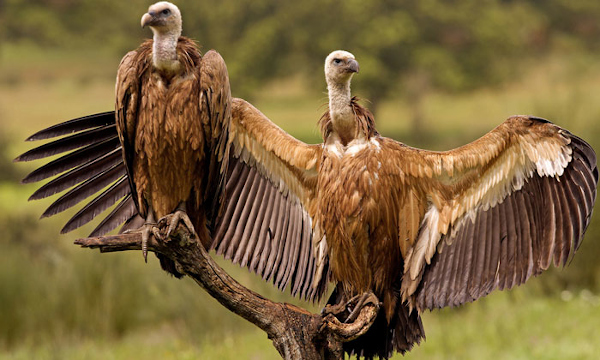
In A First, Vultures in Panna Tiger Reserve Being Radio-Tagged for Research
In a first of its kind research activity in the country, the process of radio tagging vultures has started in the Panna Tiger Reserve (PTR) of Madhya Pradesh.
News on Science, Technology and Research in India
In a first of its kind research activity in the country, the process of radio tagging vultures has started in the Panna Tiger Reserve (PTR) of Madhya Pradesh.
This 500 MVA 400/220/33 kV Auto transformer has been designed and manufactured at BHEL’s Bhopal plant for UP Power Transmission Corporation. These high rating transformers play a crucial role in bulk power transmission to load centres and bigger cities.
In a significant boost in efforts to find better anti-cancer drugs, a team of Indian scientists has found a way to control the expression of cancer -inducing gene called cancer myelocytomatosis (c-myc), using a synthetic derivative of Curcumin obtained from Turmeric.
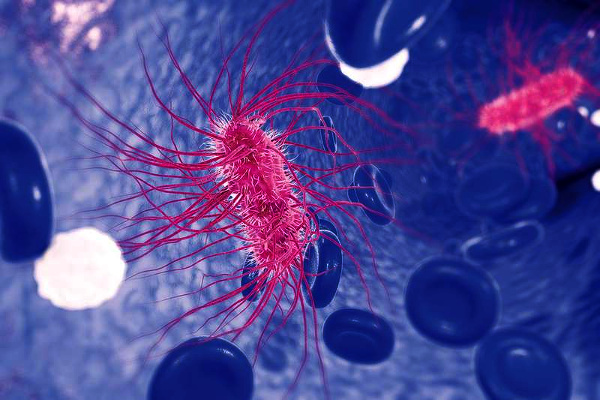
A team of researchers at DBT-National Agri-Food Biotechnology Institute (DBT-NABI), Mohali, has come up with a solution. They have developed a probe based on assDNAaptamer. Aptamers are low molecular weight biomolecules widely used for bio-detection as they are stable, sensitive, selective, have low cost, and low batch to batch variation. They interact directly with the cell surface of the target rather than the nucleic acids and thus have the potential for whole bacteria detection.
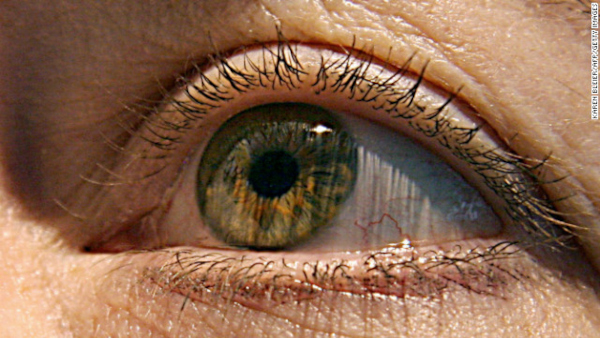
In a significant development in the area of ophthalmology, a team of New Delhi-based researchers has come out with a finding that shows the possibility for a cure for the progressively irreversible retinal degenerative disease which causes partial or complete blindness.
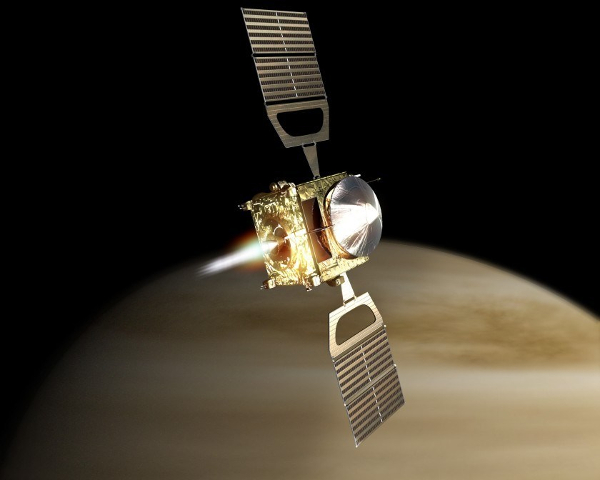
India’s space agency aims to launch its Venus orbiter Shukrayaan in late 2024, more than a year later than previously planned, an ISRO research scientist told a NASA-chartered planetary science planning committee Nov. 10.
A team of scientists from the Department of Biotechnology’s National Institute of Biomedical Genomics (DBT-NIBMG), Kalyani, North-eastern Hill University (NEHU) and North Eastern Indira Gandhi Regional Institute of Health and Medical Sciences (NEIGRIHMS), Shillong have sought to fill the gap, though partially.
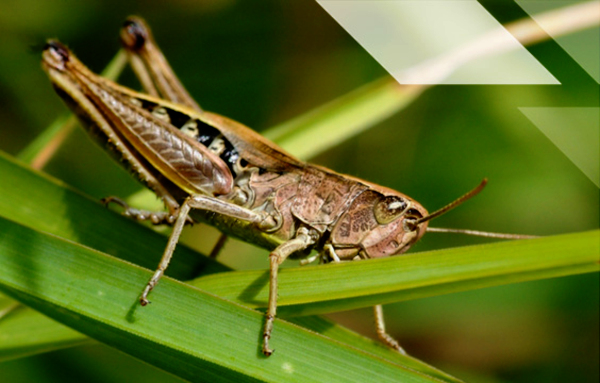
The chirp of the cricket may soon be used to monitor their species diversity. Scientists are establishing an acoustic signal library that can help track the diversity of these insects.
Throwing away cucumber peels after preparing your salad could be a past phenomenon. Researchers at the Indian Institute of Technology (IIT) Kharagpur have developed cellulose nanocrystals from cucumber peels with high cellulose content, compared to other peel wastes, which can be used to create food packaging materials.
Infrastructure major Larsen & Toubro (L&T) has delivered the first hardware — a rocket booster for the launch vehicle of India’s maiden human space flight Gaganyaan — to the Indian Space Research Organisation (ISRO), an official said on Tuesday.