Research

News on Science, Technology and Research in India

A Novel Algorithm for Enhanced Crop Productivity From IIT Madras

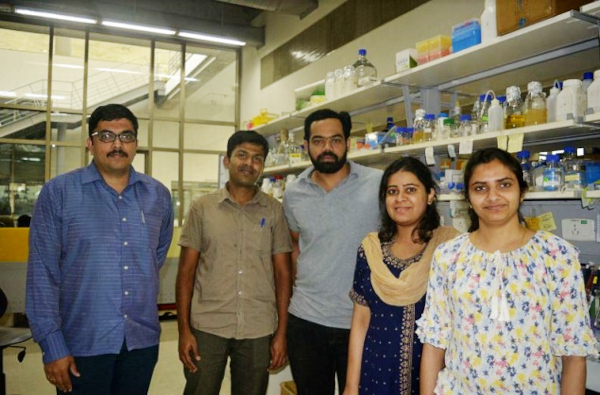
To quickly ascertain the right combination and to understand how these microbes interact with in a co-culture,researchesr from Indian Institute of Technology (IIT) Madras have developed and demonstrated an effective method. The study applies computer-based modelling to develop novel algorithms to identify metabolic interactions between bacteria. This understanding may help in identify the perfect combination for a co-culture.

IN-SPACe Mandate Creates Flutter in Scientific Community

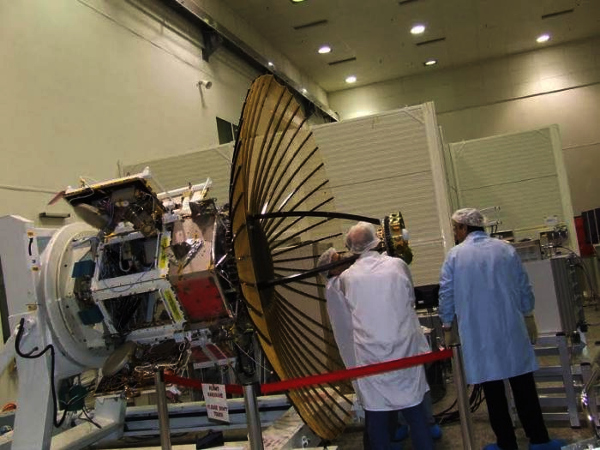
The decisions of the newly set-up Indian National Space Promotion and Authorisation Centre (IN-SPACe), the single-window nodal agency, on the launch dates of satellites and rockets and use of facilities of the Department of Space’s assets also by private players will be binding on all stakeholders including the Indian Space Research Organisation (Isro).

INST Scientists Develop Simple Economical Nonsurgical Prevention of Cataract

A team of scientists from the Institute of Nano Science & Technology (INST) an autonomous institute under the Department of Science & Technology, Government of India has developed nanorods from the nonsteroidal anti-inflammatory drug (NSAID) Aspirin, a popular medication used to reduce pain, fever, or inflammation and found it to be an effective non–invasive small molecule-based nanotherapeutics against cataract.

Carbon Nanotube Materials can Reduce Cibrations in Automobiles: IIT Madras

The properties of carbon nanotubes (CNTs) – nanometre-sized molecules made of rolled-up sheets of carbon atoms – can tremendously improve mechanical, thermal and electrical properties of polymers. Of the numerous attractive properties of CNT-polymer composites, their vibration damping properties make them useful in aerospace, automobile and construction industries.

SNBNCBS Develops A “No-Touch” & “Painless” Device for Non-Invasive Screening of Bilirubin Level

Careful screening of bilirubin level in new-borns is mandatory as per American Academy of Paediatrics (2004), to reduce incidents of a type of brain damage called kernicterus that can result from high levels of bilirubin in a baby’s blood. Although invasive capillary collection of blood and the subsequent biochemical test is considered a gold standard for jaundice detection in neonates, transcutaneous bilirubin measurement using non-invasive instruments has obvious added advantages.