Research

News on Science, Technology and Research in India

Researchers Track Reason Behind Decline in Star Formation Activity 8 Billion Years Ago

Astronomers tracking star formation activity of the young Universe billions of years ago have long been intrigued by the fact that star formation in galaxies which was at its highest about 8-10 billion years ago, had declined steadily thereafter. Searching for the reason behind this, they have found that the likely cause for the decline is that galaxies were running out of fuel.

Anomalously Large Abundance of Lithium in Low Mass Red Giants Traced to He-Flashing Phase of 2 Million Years

Scientists from the Indian Institute of astrophysics have pinned down the mechanism behind the Lithium production in low mass red clump stars. Having found lithium excess to be common among the low mass red clump giants, they have now traced Helium (He)-flashing phase of the star’s evolution as the site for high lithium production. This transition phase lasts for about 2 million, during which RGB giants with inert He-core at the centre become red clump giants of He-core burning.

GIS-Based Mapping of Microbial Diversity of River Ganga

Council of Scientific & Industrial Research (CSIR)’s Nagpur based constituent laboratory National Environmental Engineering Research Institute (NEERI), has conducted Geographic Information System (GIS) mapping of Microbial Diversity of river Ganga. The study will reveal the identity of microbes that inhabit the river that help maintain the health of river as well as those that are now inhabitants that have been added due to anthropogenic activities, researchers said.

From IIT-Hyderabad, Oral Drug to Treat Fungal Infection

The Indian Institute of Technology-Hyderabad has developed nano fibre-based, controlled-release oral tablets of amphotericin B (AmB) to treat post-Covid fungal infections. Researchers have kept the technology free of intellectual property rights and are looking for pharmaceutical partners who can take up mass-scale production. Currently, AmB is an injectible drug.

A Natural Dye Extract May Protect Our Eyes from Harmful Laser

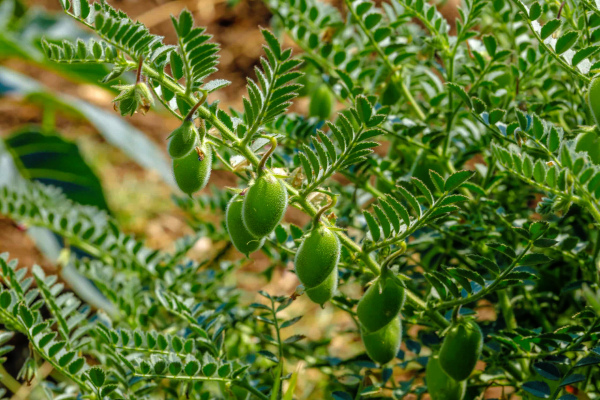
Scientists have found that the natural indigo dye extracted from leaves of a plant of the bean family is capable of protecting human eyes from harmful laser radiation. It could be used to develop optical limiters useful in weakening the potentially harmful radiation and protecting the human eyes or other sensitive optical devices from accidental damage in an environment where such lasers are in use.

Researchers Reveal Key Protein Structure in COVID-19 Virus

Ateam of researchers from the Indian Institute of Technology Mandi (IIT Mandi), led by Dr. Rajanish Giri, Assistant Professor, School of Basic Sciences, have elucidated the part of structure of a key protein in the COVID-19 virus, which helps in understanding its mode of action, its role in the spread and severity of the disease and development of antiviral therapeutics.