Health

News and Articles on Ayurveda, Yoga, Kundalini and other Indian way of health and medicines.

Coconut Oil in Ayurveda: Narikela Taila and the Indian Idea of Food as Medicine

The Ayurvedic Pharmacopoeia of India describes Narikela as the dried endosperm of Cocos nucifera, cultivated especially in the coastal and deltaic regions of South India. It gives Narikela the qualities of madhura rasa or sweet taste, guru and snigdha guna or heavy and unctuous qualities, shita virya or cooling potency, and madhura vipaka or sweet post-digestive effect. Its actions are described as balya, hridya, vrishya, vatahara, pittahara, brimhana and kaphakara, meaning it is strengthening, heart-supportive, nourishing, Vata-Pitta pacifying and Kapha-increasing when overused.

India Crosses 100 Crore ABHA-Linked Health Records, Marking a Major Step in Digital Healthcare

ABHA acts as a unique digital health identity for citizens. Once records are linked to an ABHA account, patients can access their medical history more easily and share relevant information with registered healthcare providers when needed. This can reduce paperwork, avoid repeated tests, improve continuity of care and help doctors make better-informed decisions, especially when patients move between different hospitals or health systems.

India Plans National Registry for Implantable Medical Devices to Strengthen Patient Safety and Accountability

According to reports, the registry is being considered at a high level and is expected to create a centralised mechanism for collecting data from hospitals, manufacturers, suppliers and healthcare providers. In the first phase, the focus is likely to be on cardiac and orthopaedic implants, before gradually expanding to other categories of medical devices. This phased approach is practical because cardiac stents, pacemakers, joint replacements and spinal implants are among the most commonly used high-risk devices in Indian hospitals.

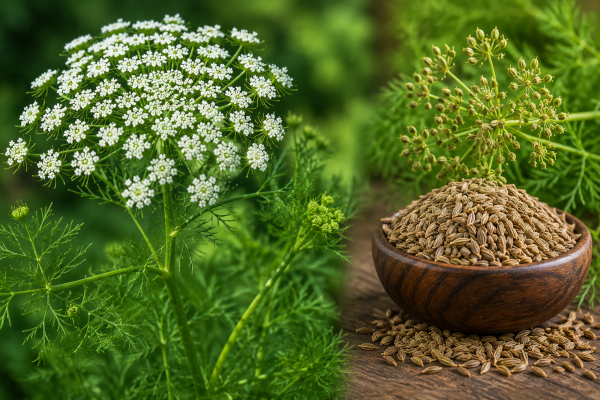
Fennel Seeds in Ayurveda: Saunf as the Gentle Digestive Spice of the Indian Kitchen

In classical Ayurvedic language, fennel is commonly identified as Mishreya, Mishi or Madhurika. The Ayurvedic Pharmacopoeia of India identifies Mishreya as the dried ripe fruit of Foeniculum vulgare Mill., belonging to the Umbelliferae family, now commonly placed under Apiaceae. The plant is described as an aromatic herb, usually 1–2 metres high, cultivated widely in India and sometimes found wild. What we casually call fennel “seeds” are botanically the dried fruits of the plant.

Wayanad’s Tribal Women Step Into Ayur Care Careers Through CSR-Backed Training

Wayanad has one of Kerala’s most significant tribal populations, and many families in the district continue to face challenges related to income security, access to higher education, professional exposure and social mobility. For young tribal women, the barriers are often even more layered. Distance from urban job markets, limited networks, family responsibilities and lack of confidence in formal workplaces can make employment difficult even when talent and willingness are present. A training initiative that helps them move into a structured profession therefore carries importance far beyond the classroom.

Roche Launches Tecentriq SC in India, Bringing 7-Minute Immunotherapy to Lung Cancer Care

Tecentriq, whose generic name is atezolizumab, is a cancer immunotherapy. Roche India describes it as a monoclonal antibody designed to target PD-L1 proteins found on tumour cells and tumour-infiltrating immune cells. By blocking the PD-L1 pathway, the drug is intended to help the immune system recognise and attack cancer cells more effectively. Roche India lists approved indications for Tecentriq including metastatic non-small cell lung cancer, extensive-stage small cell lung cancer, triple-negative breast cancer, hepatocellular carcinoma and metastatic urothelial carcinoma.

Mustard in Ayurveda: The Fiery Kitchen Medicine Hidden in Indian Food

Ayurveda classifies mustard as katu-tikta rasa — pungent and bitter in taste — with snigdha and tikshna guna, meaning oily and penetrating in quality. Its virya, or potency, is ushna, meaning heating, and its vipaka, or post-digestive effect, is pungent. The Ayurvedic Pharmacopoeia of India lists mustard seed as Deepana, Kaphahara, Vatahara, Hridya and Pittakara, meaning it supports digestive fire, helps reduce excess Kapha, pacifies Vata in suitable contexts, supports the heart, and can increase Pitta if overused.