Ayurveda

Authentic Ayurveda Medicines and Practices from the Land of Ayurveda

Ayurveda’s Protein-Rich Plants: Ancient Indian Foods That Can Rival Meat in Protein

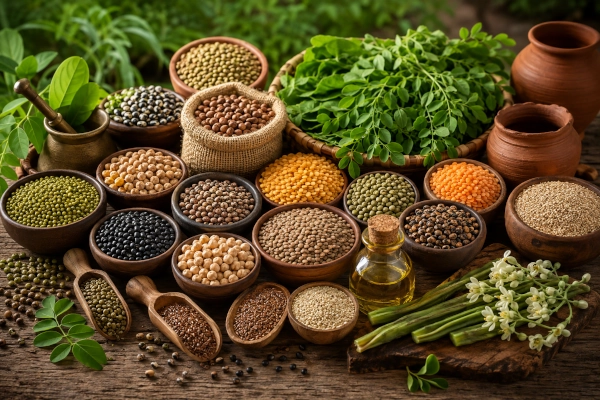
Green gram, black gram, chickpea, horse gram, lentil, pigeon pea, moth bean, sesame, flax and several other traditional foods appear throughout India’s Ayurvedic dietary culture. Modern nutritional science now reveals something remarkable about many of them: when measured in their dry state, several contain around one-fifth to more than one-quarter of their weight as protein.
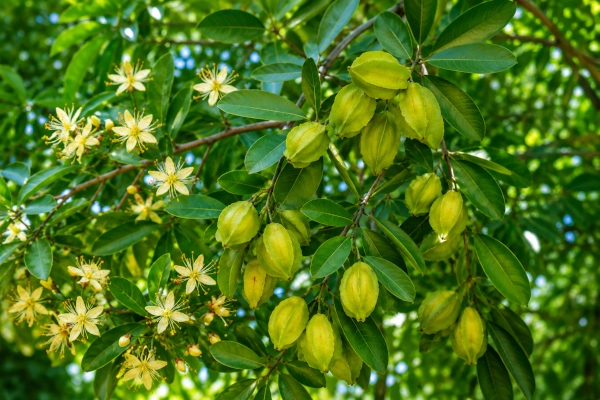
Jangli Badam (Terminalia catappa): Indian Almond in Traditional Medicine, Nutrition and Tropical Healing

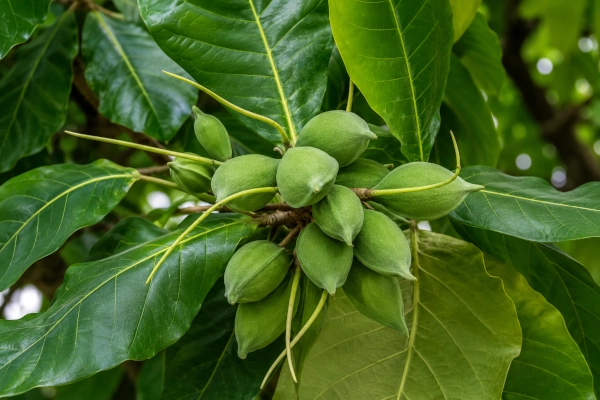
Botanically known as Terminalia catappa L., Jangli Badam belongs to the Combretaceae family. Royal Botanic Gardens, Kew recognises it as an accepted species with a natural range extending across tropical and subtropical Asia, parts of the western Indian Ocean, the Pacific and northern Australia. It is now cultivated widely throughout the tropics for shade, food and several traditional uses.

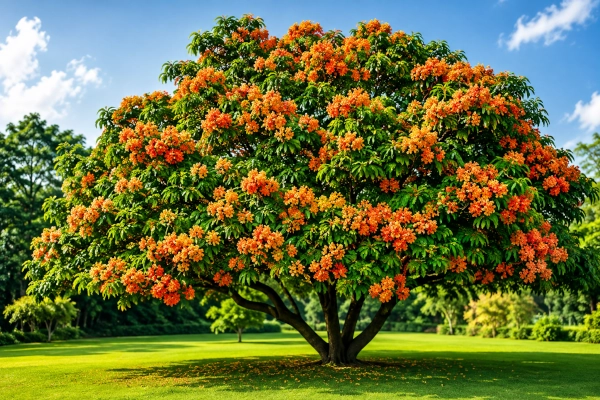
Ashoka — Saraca asoca: Ayurveda’s Celebrated Tree for Rakta and Women’s Health

Ayurveda values Ashoka primarily for its stem bark. Classical traditions use it especially in conditions associated with excessive menstrual bleeding, uterine disorders and disturbances of Rakta and Pitta. It also appears in traditional management of diarrhoea, burning sensations, certain urinary disorders and excessive bodily discharge. An Ayurvedic teaching resource lists Ashoka under the Kashaya Skandha and describes it as particularly important in Rakta Pradara.

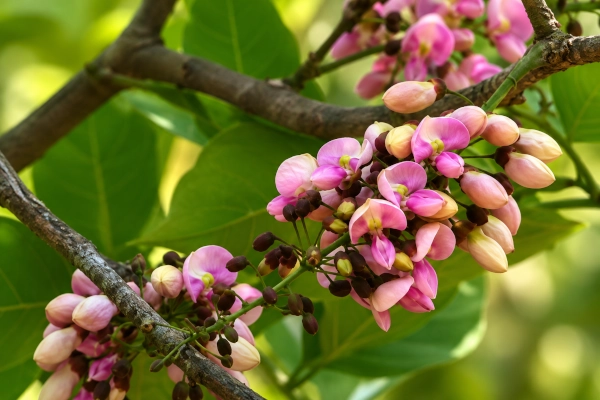
Arjuna (Terminalia arjuna): Ayurveda’s Celebrated Hridya Tree for the Heart, Rakta and Tissue Strength

Modern botany recognises the species as Terminalia arjuna (Roxb. ex DC.) Wight & Arn., a member of the Combretaceae family. Royal Botanic Gardens, Kew records its native range from the Indian subcontinent into Myanmar. The Ministry of Ayush’s e-Charak database specifically identifies the bark as the principal medicinal raw material obtained from Terminalia arjuna.

AIIA Launches ‘Garbhini Mitra’ Course to Train Maternal Wellness Support Workers in Ayurveda-Based Care

The six-month offline programme draws on traditional Ayurvedic concepts including Garbhini Paricharya, or antenatal care, Sutika Paricharya, covering postnatal care, and Garbhadhana Vidhi, which focuses on pre-conceptional care. The curriculum combines these principles with practical maternal-support skills intended for use in healthcare and community settings.

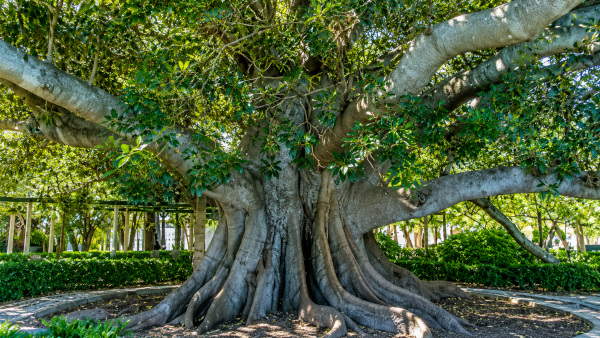
Ashvattha — Ficus religiosa: The Sacred Peepal in Ayurveda

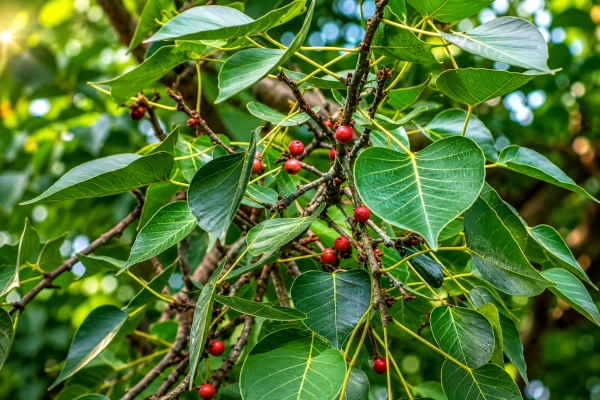
Its bark, leaves, fruits, roots and latex have a long history of medicinal use. Classical Ayurvedic literature particularly values its astringent and cooling qualities. Traditional applications include wounds, excessive bleeding, inflammatory conditions, disorders of the mouth and certain gastrointestinal and skin conditions. Ayurvedic literature also places Ashvattha among plants used for controlling excessive bodily secretions.