Infrastructure

Indian Infrastructures and Capabilities

India Plans ‘Made in India’ Brand Scheme to Strengthen Domestic Manufacturing and Cut Import Dependence

The government is working with industry to identify around 100 products that are either not manufactured in India or are produced in inadequate quantities. The focus is not merely on replacing imports, but on building production capacity in areas where India already has industrial capability but faces technology, scale or supply-chain gaps. According to Bhatia, several “unique and interesting” products have already been identified, including auto-sector items such as axles and motorcycle components.

India Rises to Third Globally in Installed Renewable Energy Capacity, but Supply Chain Gaps Remain

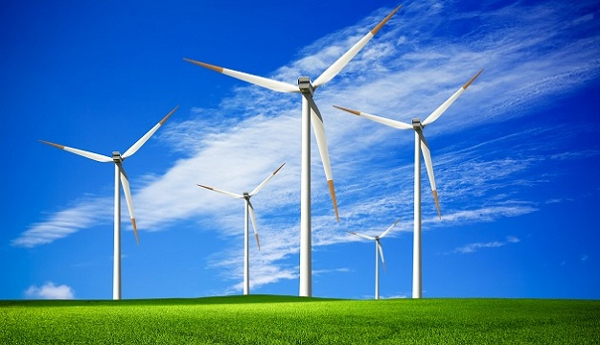
News On Air reported that India’s non-fossil fuel capacity has crossed 50 percent of total installed capacity, reaching 262.7 gigawatts. It also noted that solar and wind energy account for the bulk of recent additions. Official MNRE figures released earlier said India had installed 283.46 GW of non-fossil fuel capacity as of March 31, 2026, including 274.68 GW from renewable energy and 8.78 GW from nuclear power.

AERB Clears Restart of Tarapur Unit-2 After Major Refurbishment and Safety Upgrade

Tarapur Unit-2 is part of the historic TAPS Units 1 and 2, India’s first nuclear power reactors based on the Boiling Water Reactor design. Both units began commercial operation in 1969, making them among the oldest operating commercial nuclear power units in Asia. The restart clearance is therefore significant not only as a technical achievement, but also as a demonstration of India’s ability to extend the life of legacy nuclear assets through modern safety upgrades and strict regulatory review.

India Pushes Nationwide EV Charging Rollout Under PM E-DRIVE Scheme at Bengaluru Conference

The PM E-DRIVE Scheme, formally known as the PM Electric Drive Revolution in Innovative Vehicle Enhancement Scheme, has a total outlay of ₹10,900 crore and is aimed at accelerating EV adoption, creating charging infrastructure and strengthening India’s electric vehicle manufacturing ecosystem. The scheme covers demand incentives and infrastructure support for electric two-wheelers, three-wheelers, buses, trucks, ambulances and other emerging EV segments.

India’s Semiconductor Push Gains Speed as Two More Chip Packaging Units Set to Go Live by December

The significance of chip-packaging units lies in their role at the final but crucial stage of semiconductor manufacturing. After chips are fabricated, they must be assembled, tested, marked and packaged before they can be used in products such as smartphones, automobiles, telecom equipment, consumer electronics, defence systems and industrial devices. By building this capability at home, India can reduce supply-chain vulnerability and gradually move up the semiconductor value chain.

India Becomes World’s Third-Largest Renewable Energy Market as Clean Power Capacity Crosses 50% Mark

India’s broader energy mix is also undergoing a visible transformation. The country’s non-fossil fuel capacity has crossed 50 percent of total installed power capacity, reaching 262.7 gigawatts. Solar and wind power have contributed the largest share of recent capacity additions, reinforcing India’s position as one of the fastest-growing clean energy markets in the world.