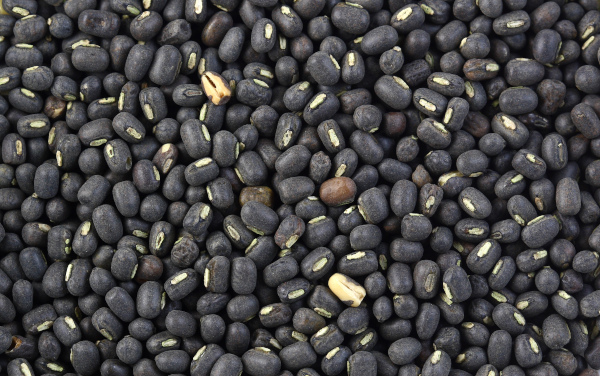
Black gram, known in Sanskrit as Masha, is one of the most powerful pulses in the Ayurvedic food tradition. In common Indian kitchens, it is known as urad dal. In Kerala, it is called uzhunnu. In Tamil, it is ulundu. Its botanical name is Vigna mungo. It is the pulse behind idli batter, dosa batter, medu vada, papad, kali, kanji, dal, laddus and many strengthening preparations.
Among pulses, black gram holds a special place because it is deeply nourishing. Green gram is light and gentle. Horse gram is sharp and heating. Bengal gram is dry and filling. Black gram is heavy, oily, strengthening and building. It is the pulse of strength, stamina, tissue nourishment and Vata control.
Ayurveda treats Masha as a powerful food. It builds the body when digestion is strong. It supports muscles, reproductive tissue, strength and endurance. It is used in food, oil preparations, external therapies and classical Ayurvedic formulations. It is especially respected in Vata disorders, weakness, dryness and wasting conditions.
This is the central wisdom of Masha: it is a strong food for a body that can digest strength.
Ayurvedic Identity of Black Gram
Sanskrit name: Masha
Common names: Black gram, urad dal, uzhunnu, ulundu
Botanical name: Vigna mungo
Family: Fabaceae
Ayurveda describes black gram as heavy, nourishing and unctuous. It is one of the most strengthening pulses, but it also demands strong digestive fire. It is best used with spices, ghee, oil, fermentation or long cooking according to the preparation.
Rasa: Madhura
Guna: Guru, Snigdha
Virya: Ushna
Vipaka: Madhura
Main actions: Balya, Brimhana, Vrishya, Vatahara, Shukrala
Dosha action: Pacifies Vata when properly prepared; can increase Kapha and Pitta when taken excessively or in heavy preparations
Masha is a classic Brimhana food. Brimhana means building and nourishing. It supports weight, strength, muscle tissue and deep nourishment. It is also Balya, meaning strength-promoting. This makes it suitable for people who need rebuilding after exhaustion, physical strain or weakness.
Masha as Food is Medicine
Black gram shows how Indian food culture understands therapeutic cooking. It is used as daily food, festive food, strengthening food, postpartum food, sports food and medicine-supporting diet.
It nourishes the body because it is dense and protein-rich. It gives strength and satiety. It supports tissue building, especially when cooked with ghee, sesame oil, rice, wheat, jaggery or milk according to traditional recipes.
It supports Vata because it carries heaviness, warmth and oiliness. Vata is dry, light, mobile and cold. Masha brings the opposite qualities: heaviness, steadiness, warmth and lubrication. This is why it is respected in traditional diets for weakness, dryness, nervous exhaustion and physical fatigue.
It supports reproductive vitality in classical Ayurvedic understanding. Masha is considered Vrishya and Shukrala, meaning it supports reproductive tissue and vitality. This is why many traditional strengthening recipes combine black gram with ghee, milk, jaggery, sesame and warminBlack gram, known in Sanskrit as Masha, is one of the most powerful pulses in the Ayurvedic food tradition. In common Indian kitchens, it is known as urad dal. In Kerala, it is called uzhunnu. In Tamil, it is ulundu. Its botanical name is Vigna mungo. It is the pulse behind idli batter, dosa batter, medu vada, papad, kali, kanji, dal, laddus and many strengthening preparations.
Among pulses, black gram holds a special place because it is deeply nourishing. Green gram is light and gentle. Horse gram is sharp and heating. Bengal gram is dry and filling. Black gram is heavy, oily, strengthening and building. It is the pulse of strength, stamina, tissue nourishment and Vata control.
Ayurveda treats Masha as a powerful food. It builds the body when digestion is strong. It supports muscles, reproductive tissue, strength and endurance. It is used in food, oil preparations, external therapies and classical Ayurvedic formulations. It is especially respected in Vata disorders, weakness, dryness and wasting conditions.
This is the central wisdom of Masha: it is a strong food for a body that can digest strength.
Ayurvedic Identity of Black Gram
Sanskrit name: Masha
Common names: Black gram, urad dal, uzhunnu, ulundu
Botanical name: Vigna mungo
Family: Fabaceae
Ayurveda describes black gram as heavy, nourishing and unctuous. It is one of the most strengthening pulses, but it also demands strong digestive fire. It is best used with spices, ghee, oil, fermentation or long cooking according to the preparation.
Rasa: Madhura
Guna: Guru, Snigdha
Virya: Ushna
Vipaka: Madhura
Main actions: Balya, Brimhana, Vrishya, Vatahara, Shukrala
Dosha action: Pacifies Vata when properly prepared; can increase Kapha and Pitta when taken excessively or in heavy preparations
Masha is a classic Brimhana food. Brimhana means building and nourishing. It supports weight, strength, muscle tissue and deep nourishment. It is also Balya, meaning strength-promoting. This makes it suitable for people who need rebuilding after exhaustion, physical strain or weakness.
Masha as Food is Medicine
Black gram shows how Indian food culture understands therapeutic cooking. It is used as daily food, festive food, strengthening food, postpartum food, sports food and medicine-supporting diet.
It nourishes the body because it is dense and protein-rich. It gives strength and satiety. It supports tissue building, especially when cooked with ghee, sesame oil, rice, wheat, jaggery or milk according to traditional recipes.
It supports Vata because it carries heaviness, warmth and oiliness. Vata is dry, light, mobile and cold. Masha brings the opposite qualities: heaviness, steadiness, warmth and lubrication. This is why it is respected in traditional diets for weakness, dryness, nervous exhaustion and physical fatigue.
It supports reproductive vitality in classical Ayurvedic understanding. Masha is considered Vrishya and Shukrala, meaning it supports reproductive tissue and vitality. This is why many traditional strengthening recipes combine black gram with ghee, milk, jaggery, sesame and warming spices.
It supports muscle and stamina. Farmers, wrestlers, martial artists and people doing heavy physical work have long used black gram preparations for strength. Urad dal with rice, ghee and spices creates a deeply nourishing meal.
It supports external therapies. Black gram is used in certain Ayurvedic oil preparations and bolus therapies for Vata conditions. Its paste, decoction and processed forms appear in traditional treatments where warmth, nourishment and lubrication are needed.
Black Gram and the Three Doshas
For Vata prakriti, black gram is highly useful when cooked properly. Vata people often need warmth, oiliness and grounding food. Urad dal cooked with ghee, cumin, ginger, hing and black pepper can be strengthening. Fermented preparations like idli and dosa are lighter than dense fried preparations.
For Pitta prakriti, black gram should be used moderately. Its heating nature can aggravate excess heat when prepared with too much chilli, sourness or deep frying. Pitta types do better with soft idli, mildly spiced dosa, simple dal and preparations balanced with coconut, coriander and ghee.
For Kapha prakriti, black gram needs careful portion control. Its heaviness and oiliness can increase sluggishness, mucus tendency and weight gain when overeaten. Kapha types should use smaller portions with ginger, black pepper, mustard, curry leaves and hing. Deep-fried urad foods should remain occasional.
Why Black Gram Is Different from Green Gram
Green gram, or mudga, is light and easy to digest. It is used in recovery diets, fever diets and digestive reset meals. Black gram, or masha, is the opposite in many ways. It is heavy, strengthening and deeply nourishing.
This difference is important. Green gram is chosen when the body needs lightness. Black gram is chosen when the body needs strength. Green gram supports weak digestion. Black gram supports strong bodies, Vata dryness and tissue building. Green gram is ideal for gentle cleansing. Black gram is ideal for rebuilding.
Both are valuable. Ayurveda selects food according to purpose.
Black Gram in Indian Food Culture
Black gram is central to South Indian food. Idli and dosa depend on urad dal for softness, fermentation and structure. A small quantity of urad dal transforms rice batter. It adds protein, texture and digestive transformation through fermentation.
Idli is one of the best ways to eat black gram because fermentation and steaming make it lighter. It suits breakfast, children, elders and people who need a mild form of urad. When eaten with sambar and chutney, it becomes a balanced meal.
Dosa is another intelligent preparation. Fermented batter, proper cooking and spices make urad more digestible. A well-cooked dosa with chutney and sambar can be nourishing without becoming too heavy.
Medu vada is tasty and strengthening, but it is deep-fried. It suits strong digestion, active people and occasional festive use. It becomes heavy when eaten in excess or at night.
Urad dal papad is used as a digestive accompaniment in many homes. Roasted papad is lighter than fried papad. Spices such as black pepper, cumin and hing help balance the heaviness of urad.
Uzhunnu kanji and ulundu kali are traditional strengthening foods. They are often associated with body building, women’s health, postpartum nourishment and physical recovery in South Indian households. These preparations show the old kitchen knowledge of using black gram as a strength medicine.
Masha for Strength and Recovery
Black gram is a rebuilding food. It suits people who feel dry, weak, depleted or physically exhausted. It is especially useful when the person has good appetite and regular digestion.
A simple urad dal preparation with ghee, cumin, ginger and hing can support strength. When taken with rice or wheat, it becomes a complete and filling meal. In traditional practice, black gram is often combined with ghee, sesame, milk or jaggery for deeper nourishment.
For people doing heavy work, black gram gives stamina. It stays with the body longer than lighter pulses. It gives fullness and tissue support. This is why rural and martial food traditions valued it.
For people recovering from weakness, black gram should be introduced slowly. Very weak digestion should first be supported with lighter foods like moong soup or rice gruel. Once appetite improves, Masha can be added in soft, well-cooked forms.
Black Gram and Vata Disorders
Masha is one of the important foods for Vata management. Vata aggravation shows through dryness, cracking joints, weakness, restlessness, poor sleep, body ache, stiffness and depletion. A diet that is warm, oily, nourishing and steady helps bring Vata down.
Black gram supports this approach. It provides warmth, density and lubrication. It pairs well with sesame oil, ghee, garlic, cumin, ginger and hing. In external therapies, black gram paste and preparations may be used to bring warmth and nourishment to muscles and joints.
Classical Ayurvedic oil preparations such as Masha Taila and Mahamasha Taila are associated with Vata conditions and body weakness. These are used under professional guidance, especially in massage and therapeutic applications. This shows the medicinal importance of black gram beyond the kitchen.
Black Gram for Women’s Strength
In many Indian homes, black gram is used in traditional foods for women’s strength. Preparations like ulundu kali, urad laddus and urad porridge are valued after periods of physical strain. They are often combined with sesame oil, palm jaggery, ghee, dry ginger and cardamom.
The Ayurvedic logic is clear. Black gram builds. Sesame strengthens and lubricates. Ghee nourishes. Jaggery gives energy. Dry ginger supports digestion. Together, they form a strengthening food.
Such foods should be used according to digestion, season and body type. A person with strong appetite can digest them well. A person with heaviness or sluggish digestion should take smaller portions.
Black Gram for Men’s Vitality and Physical Power
Ayurveda classifies Masha as Vrishya. This means it supports reproductive vitality and strength when used properly. Traditional recipes for men’s stamina often combine black gram with milk, ghee, dates, sesame, jaggery or warming spices.
This does not mean black gram is a quick remedy. It is a long-term strengthening food. It supports vitality by nourishing tissues, improving weight and supporting strength. Good sleep, exercise, digestion and mental calm are equally important.
For wrestlers and traditional physical training systems, urad dal has been a respected food. It helps build mass and stamina when paired with disciplined exercise. Food becomes strength only when the body works, digests and rests properly.
Best Ways to Cook Black Gram
Soaking is important. Whole black gram and split urad become easier to cook and digest after soaking. Soaking reduces heaviness and helps soften the seed.
Long cooking is important. Urad should be cooked until soft. Undercooked urad can produce gas, heaviness and stomach discomfort.
Spices are important. Hing, cumin, ginger, black pepper, garlic, mustard seed and curry leaves make black gram more digestible. These spices are not merely for taste. They are digestive medicine.
Fermentation is important. Idli and dosa show the genius of Indian food science. Fermentation makes the pulse more digestible, improves texture and creates a lighter meal.
Portion is important. Masha is powerful. A small bowl can nourish. Excess can burden digestion.
Simple Ayurvedic Black Gram Preparations
Soft Urad Dal
Soak split black gram. Cook until very soft. Temper ghee with cumin, ginger, hing, turmeric and curry leaves. Add rock salt and serve warm with rice. This is grounding for Vata.
Uzhunnu Kanji
Cook black gram with rice until soft and porridge-like. Add ghee and mild spices. This is a traditional strengthening food for people with good digestion.
Ulundu Kali
Roasted urad flour is cooked with palm jaggery, sesame oil or ghee, and dry ginger. This is a dense strengthening preparation used in South Indian households. It should be eaten in small portions.
Idli
Fermented rice and urad batter is steamed into soft cakes. This is one of the most digestible forms of black gram. It suits breakfast and light dinner when eaten moderately.
Dosa
Fermented batter cooked into thin dosa gives nourishment with better digestibility. Ginger chutney, sambar and mild spices balance the meal.
Urad Laddus
Roasted urad dal flour is mixed with ghee, jaggery and cardamom. This is a strength food for active people and those needing nourishment.
Masha Soup
Cook soaked black gram until soft. Add black pepper, cumin, ginger, hing and ghee. This is warming and Vata-supportive.
Food Combinations
Black gram combines well with rice, ghee, sesame, cumin, ginger, pepper, garlic, curry leaves and mild sour ingredients in moderation. These combinations support digestion and balance heaviness.
It should be used carefully with very heavy milk sweets, large quantities of curd, deep-fried food and late-night meals. Such combinations can increase heaviness and digestive load.
Idli and dosa show a balanced combination of rice and urad. Rice gives lightness and structure. Urad gives softness, protein and strength. Fermentation brings transformation. This is why traditional Indian batters are so intelligent.
Black Gram and Modern Nutrition
Modern nutrition also recognises black gram as a protein-rich pulse. It contains carbohydrates, dietary fibre, minerals such as iron, magnesium and zinc, and several plant compounds. The seed coat contains phenolic compounds and antioxidants. Black gram by-products such as husk and bran are being studied for fibre, minerals and bioactive value.
This agrees with Ayurveda’s view of Masha as a strong, building food. Its density is nutritional. Its heaviness is real. Its power comes with responsibility. Modern science looks at protein, fibre and phytochemicals. Ayurveda looks at rasa, guna, virya, vipaka and digestion. Both approaches show that black gram is a valuable food when prepared properly.
Precautions
People with weak digestion should begin with small portions and choose fermented or well-cooked forms. Idli is easier than dense whole black gram curry.
People prone to gas and bloating should use hing, ginger, cumin and ghee. Soaking and long cooking are essential.
People with Kapha dominance, obesity tendency, sluggishness or excess mucus should use black gram in small quantities and avoid frequent deep-fried preparations.
People with high Pitta, acidity or heat symptoms should avoid very spicy urad preparations and take cooling accompaniments.
People with kidney disease, protein restriction or special medical diets should follow professional medical guidance before increasing pulse intake.
Conclusion
Black gram, or Masha, is one of Ayurveda’s great strength foods. It is heavy, warm, nourishing and deeply building. It supports Vata, strengthens muscles, nourishes tissues and gives stamina when digestion is ready for it.
It is the pulse of idli, dosa, uzhunnu kanji, ulundu kali, papad, dal and traditional strength recipes. It belongs to the kitchen, the medicine chest, the massage room and the food memory of India.
Masha teaches a powerful Ayurvedic truth: nourishment must match digestion. A light food cleanses. A heavy food builds. Black gram builds with depth. It gives strength to the body, steadiness to Vata and richness to traditional Indian food.
When soaked, cooked, spiced and eaten in the right quantity, black gram becomes food as medicine. It is one of the finest examples of how Ayurveda sees strength not as stimulation, but as deep nourishment.g spices.
It supports muscle and stamina. Farmers, wrestlers, martial artists and people doing heavy physical work have long used black gram preparations for strength. Urad dal with rice, ghee and spices creates a deeply nourishing meal.
It supports external therapies. Black gram is used in certain Ayurvedic oil preparations and bolus therapies for Vata conditions. Its paste, decoction and processed forms appear in traditional treatments where warmth, nourishment and lubrication are needed.
Black Gram and the Three Doshas
For Vata prakriti, black gram is highly useful when cooked properly. Vata people often need warmth, oiliness and grounding food. Urad dal cooked with ghee, cumin, ginger, hing and black pepper can be strengthening. Fermented preparations like idli and dosa are lighter than dense fried preparations.
For Pitta prakriti, black gram should be used moderately. Its heating nature can aggravate excess heat when prepared with too much chilli, sourness or deep frying. Pitta types do better with soft idli, mildly spiced dosa, simple dal and preparations balanced with coconut, coriander and ghee.
For Kapha prakriti, black gram needs careful portion control. Its heaviness and oiliness can increase sluggishness, mucus tendency and weight gain when overeaten. Kapha types should use smaller portions with ginger, black pepper, mustard, curry leaves and hing. Deep-fried urad foods should remain occasional.
Why Black Gram Is Different from Green Gram
Green gram, or mudga, is light and easy to digest. It is used in recovery diets, fever diets and digestive reset meals. Black gram, or masha, is the opposite in many ways. It is heavy, strengthening and deeply nourishing.
This difference is important. Green gram is chosen when the body needs lightness. Black gram is chosen when the body needs strength. Green gram supports weak digestion. Black gram supports strong bodies, Vata dryness and tissue building. Green gram is ideal for gentle cleansing. Black gram is ideal for rebuilding.
Both are valuable. Ayurveda selects food according to purpose.
Black Gram in Indian Food Culture
Black gram is central to South Indian food. Idli and dosa depend on urad dal for softness, fermentation and structure. A small quantity of urad dal transforms rice batter. It adds protein, texture and digestive transformation through fermentation.
Idli is one of the best ways to eat black gram because fermentation and steaming make it lighter. It suits breakfast, children, elders and people who need a mild form of urad. When eaten with sambar and chutney, it becomes a balanced meal.
Dosa is another intelligent preparation. Fermented batter, proper cooking and spices make urad more digestible. A well-cooked dosa with chutney and sambar can be nourishing without becoming too heavy.
Medu vada is tasty and strengthening, but it is deep-fried. It suits strong digestion, active people and occasional festive use. It becomes heavy when eaten in excess or at night.
Urad dal papad is used as a digestive accompaniment in many homes. Roasted papad is lighter than fried papad. Spices such as black pepper, cumin and hing help balance the heaviness of urad.
Uzhunnu kanji and ulundu kali are traditional strengthening foods. They are often associated with body building, women’s health, postpartum nourishment and physical recovery in South Indian households. These preparations show the old kitchen knowledge of using black gram as a strength medicine.
Masha for Strength and Recovery
Black gram is a rebuilding food. It suits people who feel dry, weak, depleted or physically exhausted. It is especially useful when the person has good appetite and regular digestion.
A simple urad dal preparation with ghee, cumin, ginger and hing can support strength. When taken with rice or wheat, it becomes a complete and filling meal. In traditional practice, black gram is often combined with ghee, sesame, milk or jaggery for deeper nourishment.
For people doing heavy work, black gram gives stamina. It stays with the body longer than lighter pulses. It gives fullness and tissue support. This is why rural and martial food traditions valued it.
For people recovering from weakness, black gram should be introduced slowly. Very weak digestion should first be supported with lighter foods like moong soup or rice gruel. Once appetite improves, Masha can be added in soft, well-cooked forms.
Black Gram and Vata Disorders
Masha is one of the important foods for Vata management. Vata aggravation shows through dryness, cracking joints, weakness, restlessness, poor sleep, body ache, stiffness and depletion. A diet that is warm, oily, nourishing and steady helps bring Vata down.
Black gram supports this approach. It provides warmth, density and lubrication. It pairs well with sesame oil, ghee, garlic, cumin, ginger and hing. In external therapies, black gram paste and preparations may be used to bring warmth and nourishment to muscles and joints.
Classical Ayurvedic oil preparations such as Masha Taila and Mahamasha Taila are associated with Vata conditions and body weakness. These are used under professional guidance, especially in massage and therapeutic applications. This shows the medicinal importance of black gram beyond the kitchen.
Black Gram for Women’s Strength
In many Indian homes, black gram is used in traditional foods for women’s strength. Preparations like ulundu kali, urad laddus and urad porridge are valued after periods of physical strain. They are often combined with sesame oil, palm jaggery, ghee, dry ginger and cardamom.
The Ayurvedic logic is clear. Black gram builds. Sesame strengthens and lubricates. Ghee nourishes. Jaggery gives energy. Dry ginger supports digestion. Together, they form a strengthening food.
Such foods should be used according to digestion, season and body type. A person with strong appetite can digest them well. A person with heaviness or sluggish digestion should take smaller portions.
Black Gram for Men’s Vitality and Physical Power
Ayurveda classifies Masha as Vrishya. This means it supports reproductive vitality and strength when used properly. Traditional recipes for men’s stamina often combine black gram with milk, ghee, dates, sesame, jaggery or warming spices.
This does not mean black gram is a quick remedy. It is a long-term strengthening food. It supports vitality by nourishing tissues, improving weight and supporting strength. Good sleep, exercise, digestion and mental calm are equally important.
For wrestlers and traditional physical training systems, urad dal has been a respected food. It helps build mass and stamina when paired with disciplined exercise. Food becomes strength only when the body works, digests and rests properly.
Best Ways to Cook Black Gram
Soaking is important. Whole black gram and split urad become easier to cook and digest after soaking. Soaking reduces heaviness and helps soften the seed.
Long cooking is important. Urad should be cooked until soft. Undercooked urad can produce gas, heaviness and stomach discomfort.
Spices are important. Hing, cumin, ginger, black pepper, garlic, mustard seed and curry leaves make black gram more digestible. These spices are not merely for taste. They are digestive medicine.
Fermentation is important. Idli and dosa show the genius of Indian food science. Fermentation makes the pulse more digestible, improves texture and creates a lighter meal.
Portion is important. Masha is powerful. A small bowl can nourish. Excess can burden digestion.
Simple Ayurvedic Black Gram Preparations
Soft Urad Dal
Soak split black gram. Cook until very soft. Temper ghee with cumin, ginger, hing, turmeric and curry leaves. Add rock salt and serve warm with rice. This is grounding for Vata.
Uzhunnu Kanji
Cook black gram with rice until soft and porridge-like. Add ghee and mild spices. This is a traditional strengthening food for people with good digestion.
Ulundu Kali
Roasted urad flour is cooked with palm jaggery, sesame oil or ghee, and dry ginger. This is a dense strengthening preparation used in South Indian households. It should be eaten in small portions.
Idli
Fermented rice and urad batter is steamed into soft cakes. This is one of the most digestible forms of black gram. It suits breakfast and light dinner when eaten moderately.
Dosa
Fermented batter cooked into thin dosa gives nourishment with better digestibility. Ginger chutney, sambar and mild spices balance the meal.
Urad Laddus
Roasted urad dal flour is mixed with ghee, jaggery and cardamom. This is a strength food for active people and those needing nourishment.
Masha Soup
Cook soaked black gram until soft. Add black pepper, cumin, ginger, hing and ghee. This is warming and Vata-supportive.
Food Combinations
Black gram combines well with rice, ghee, sesame, cumin, ginger, pepper, garlic, curry leaves and mild sour ingredients in moderation. These combinations support digestion and balance heaviness.
It should be used carefully with very heavy milk sweets, large quantities of curd, deep-fried food and late-night meals. Such combinations can increase heaviness and digestive load.
Idli and dosa show a balanced combination of rice and urad. Rice gives lightness and structure. Urad gives softness, protein and strength. Fermentation brings transformation. This is why traditional Indian batters are so intelligent.
Black Gram and Modern Nutrition
Modern nutrition also recognises black gram as a protein-rich pulse. It contains carbohydrates, dietary fibre, minerals such as iron, magnesium and zinc, and several plant compounds. The seed coat contains phenolic compounds and antioxidants. Black gram by-products such as husk and bran are being studied for fibre, minerals and bioactive value.
This agrees with Ayurveda’s view of Masha as a strong, building food. Its density is nutritional. Its heaviness is real. Its power comes with responsibility. Modern science looks at protein, fibre and phytochemicals. Ayurveda looks at rasa, guna, virya, vipaka and digestion. Both approaches show that black gram is a valuable food when prepared properly.
Precautions
People with weak digestion should begin with small portions and choose fermented or well-cooked forms. Idli is easier than dense whole black gram curry.
People prone to gas and bloating should use hing, ginger, cumin and ghee. Soaking and long cooking are essential.
People with Kapha dominance, obesity tendency, sluggishness or excess mucus should use black gram in small quantities and avoid frequent deep-fried preparations.
People with high Pitta, acidity or heat symptoms should avoid very spicy urad preparations and take cooling accompaniments.
People with kidney disease, protein restriction or special medical diets should follow professional medical guidance before increasing pulse intake.
Conclusion
Black gram, or Masha, is one of Ayurveda’s great strength foods. It is heavy, warm, nourishing and deeply building. It supports Vata, strengthens muscles, nourishes tissues and gives stamina when digestion is ready for it.
It is the pulse of idli, dosa, uzhunnu kanji, ulundu kali, papad, dal and traditional strength recipes. It belongs to the kitchen, the medicine chest, the massage room and the food memory of India.
Masha teaches a powerful Ayurvedic truth: nourishment must match digestion. A light food cleanses. A heavy food builds. Black gram builds with depth. It gives strength to the body, steadiness to Vata and richness to traditional Indian food.
When soaked, cooked, spiced and eaten in the right quantity, black gram becomes food as medicine. It is one of the finest examples of how Ayurveda sees strength not as stimulation, but as deep nourishment.
You may also like
-
The Ayurvedic Approach to Work-Life Balance: Restoring Harmony Between Work, Health and Personal Life
-
Ayurveda and Mental Fatigue in the Digital Age: Ancient Wisdom for a Calm and Focused Mind
-
Bharat Biotech’s Nucelion and VeGen Bio Partner to Manufacture Advanced Dual-Target CAR-T Cancer Therapy in India
-
Ayurveda and Anger: How Emotional Excess Affects Physical and Mental Health
-
Ayurveda and Stress: Daily Practices for Mental Balance and Emotional Well-Being
