Kautilya

Garuda Vyuha: Rama’s Formation Warfare and the Ancient Logic of Modern Battle Design

Formation warfare is one of the oldest signs of organised military thought. A formation transforms individual fighters into a coordinated body. It gives an army shape, rhythm and direction. It helps commanders place strong fighters at decisive points, protect vulnerable elements, hold reserves, manage movement and apply pressure in a disciplined way. Rama’s Garuda formation shows that the Vanara army had moved from raw strength into structured combat power.

India’s Shift from WPI to PPI: A Major Reform in Measuring the Economy

The Wholesale Price Index has long been used to track price changes at the wholesale level. It mainly captures the movement of goods prices before they reach consumers. While this has served India for decades, the structure of the economy has changed significantly. Services now form a large part of national output, supply chains have become more complex, and policymakers need sharper tools to understand how price pressure moves across different stages of production.

India Hands Over Humanitarian Aid to Ukraine’s Health Ministry, Reinforcing Medical Diplomacy Amid Conflict

The gesture adds another chapter to India’s steady humanitarian engagement with Ukraine since the outbreak of the conflict. Rather than limiting its role to diplomatic statements, India has continued to send essential medical supplies, relief material, diagnostic equipment and emergency healthcare support. This approach reflects New Delhi’s consistent position that civilians, hospitals and vulnerable communities must remain central to humanitarian action during prolonged conflict.

India’s 43-Tonne Medical Aid to Africa CDC: A Strong Health-Diplomacy Response to Ebola

This assistance reflects India’s growing role as a reliable health partner in the Global South. In moments of public health emergency, affected regions need more than statements of concern. They need protective equipment for frontline workers, diagnostic material for early detection, monitoring systems for surveillance, medicines for supportive care and nutrition support for vulnerable communities. India’s latest shipment directly addresses these immediate needs and strengthens the larger chain of outbreak management.

India-Oman Trade Pact Strengthens New Delhi’s Energy Security and Gulf Strategy

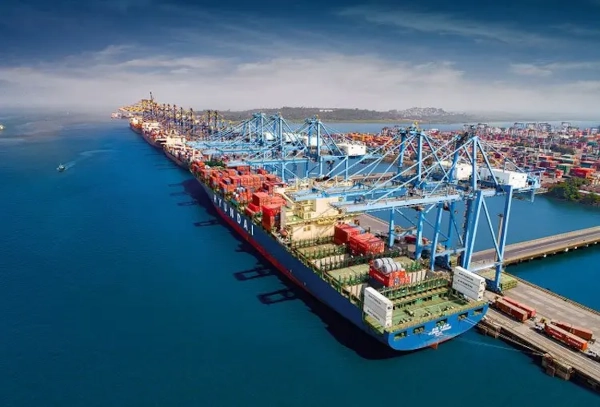
Energy security is one of the strongest pillars of this agreement. India depends heavily on imported crude oil, natural gas and petrochemical inputs to support its industries, transport network, power needs and manufacturing economy. Oman, with its established energy sector and trusted relationship with India, offers a reliable supply partner in a region that remains central to global oil and gas flows.

India’s Fourth S-400 Squadron: The Sudarshan Shield Grows Stronger

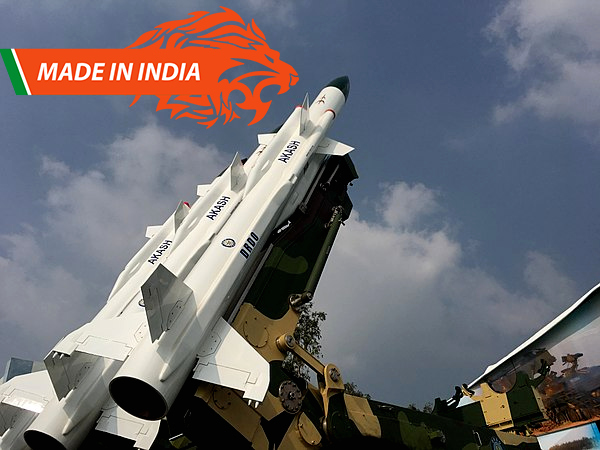
The S-400 is valuable because it changes the geometry of air defence. A conventional air defence system protects a point or a small area; a long-range system like the S-400 creates a wide defensive bubble around strategic zones, air bases, command centres, industrial corridors and border sectors. Its presence forces an adversary to think about distance, altitude, radar exposure, aircraft survivability and missile engagement envelopes before attempting an air operation. In modern warfare, this psychological pressure is as important as the missile itself.

India’s ₹17,000-Crore Drone Push: A New Battlefield Doctrine Takes Shape

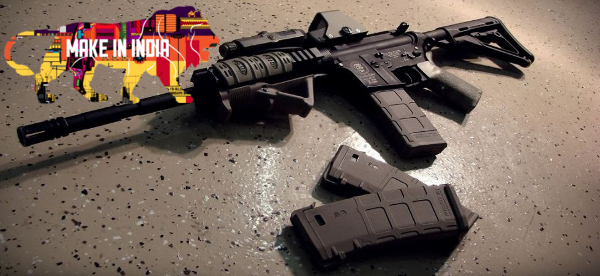
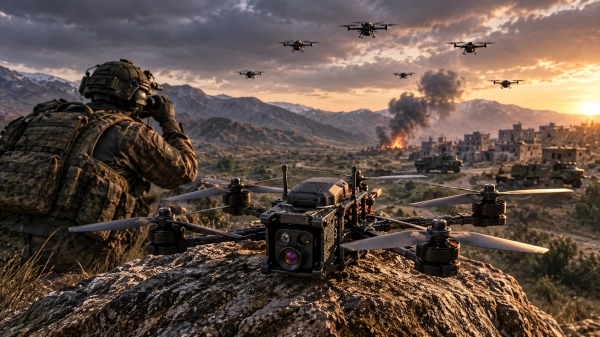
The proposed acquisition is expected to focus on Indian manufacturers, giving the programme a strong Make in India character. This matters because drone warfare depends on scale, speed, software, sensors, payloads and rapid battlefield adaptation. A country that builds its own drone ecosystem gains greater control over upgrades, supply chains, encryption, mission software and wartime production. For India, this is both a military requirement and an industrial opportunity.

Serum Institute of India to Manufacture Oxford Ebola Vaccine in Major Global Health Push

The project has received funding support of up to US$8.6 million, giving momentum to the rapid development of the vaccine candidate. The support will help accelerate preclinical work, prepare the vaccine for early-stage human trials, and enable the production of clinical-grade doses. At a time when outbreaks can move quickly across borders, this kind of early manufacturing readiness has become a critical part of epidemic preparedness.