Kautilya

New Security Ink for Protection to Bank-Cheques Against Counterfeiting

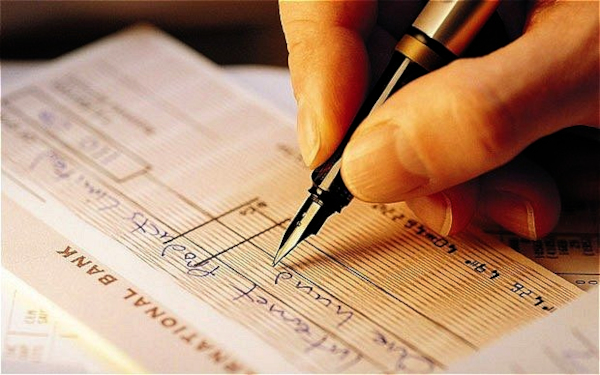
Counterfeiting a banknote containing multiple security features is rather difficult. But counterfeiting a bank cheque is not that tough because of a lack of security features. To fix this problem a group of researchers from the Council of Scientific and Industrial Research- National Physical Laboratory (CSIR-NPL) has developed a new security ink for bank cheques that is difficult to replicate.

Indian Coast Guard to have 200 Vessels, 100 Arcraft by 2025: Pathania

The Coast Guard, despite restrictions imposed by Covid-19 pandemic, maintained strict vigil in Indian Exclusive Economic Zone (EEZ) by daily deploying about 50 ships and 12 aircraft. Deterrent patrols both at sea and air have enabled seizure of contraband worth Rs. 1,500 crore, including 24 kg of gold and narcotics on the east coast, apart from seizing more than 10 foreign fishing boats and arresting 80 persons operating in Indian EEZ during 2020.

India’s Oceanic Airspace gets An Eye in the Sky for Air Traffic Surveillance

“Prior to the deployment of the Aireon system, aircraft were compelled to fly at uneconomical levels due to the high-traffic and many conflict points at crossing paths, burning extra fuel and resulting in extra expenses for airlines. Now, with more accurate position reporting available throughout the entire region, aircraft are more likely to get preferred flight levels and route changes, alleviating the prior issues,” AAI said in a statement.

FDI limit in Insurance Sector Increased from 49% to 74%

While presenting the Union Budget 2021-22 in Parliament today the Union Minister for Finance & Corporate Affairs, Ms. Nirmala Sitharaman announced that the Government will amend the Insurance Act, 1938 to increase the permissible FDI limit from 49% to 74% and allow foreign ownership and control with safeguards.

Covid-19 Lockdown Influenced Local Weather: IITM Study reveals

As a result of the complete lockdown imposed by the Government of India to stop the spread SARS-CoV-2 virus from March 25 to April 14, 2020, the highways and streets of cities became almost empty, devoid of any public transport, and workplaces were closed. People were confined to their homes. This has led to an unprecedented reduction of air pollutants which rejuvenated the atmosphere.