Kautilya

Gaganyaan Advances as ISRO Completes Critical IMAT-05 Parachute Test

The importance of this test lies in the final phase of a space mission, where the crew module must return through the atmosphere and descend safely toward splashdown. In Gaganyaan, the parachute-based deceleration system acts as the final guardian of mission safety. After re-entry, the crew module must reduce speed, remain stable, and reach the recovery zone in a controlled manner. This process demands precise sequencing, strong materials, reliable deployment mechanisms and verified redundancy.

Australia-India PACTS: A New Cyber, Critical Technology and Supply Chain Partnership for the Indo-Pacific

PACTS is built on five pillars: supply chain resilience and diversification, critical technology, cybersecurity, digital resilience and defence research collaboration. These pillars show that the two countries are moving beyond traditional diplomatic cooperation into a deeper technology-security partnership. The framework will bring together governments, private companies, universities, research institutions and defence innovation ecosystems.

India-Australia Energy Security Statement Strengthens Strategic Cooperation in Fuel, Uranium and Clean Energy

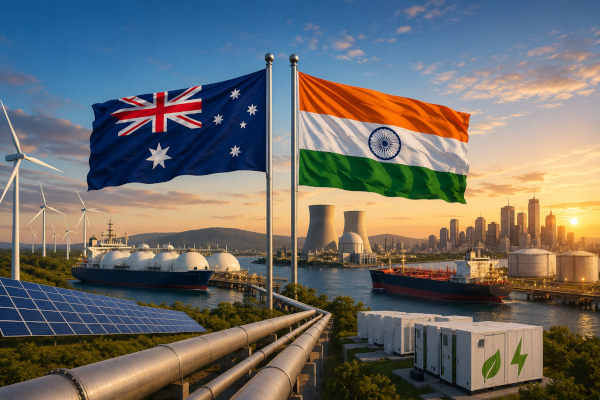
The statement comes at a time when global energy markets are facing pressure from geopolitical tensions, especially the situation in the Middle East. India and Australia expressed deep concern over the wider consequences of these disruptions, including their impact on energy, resources, commodity supply chains and prices. This makes the statement highly relevant because energy security today is linked with national security, inflation control, industrial stability and maritime trade.

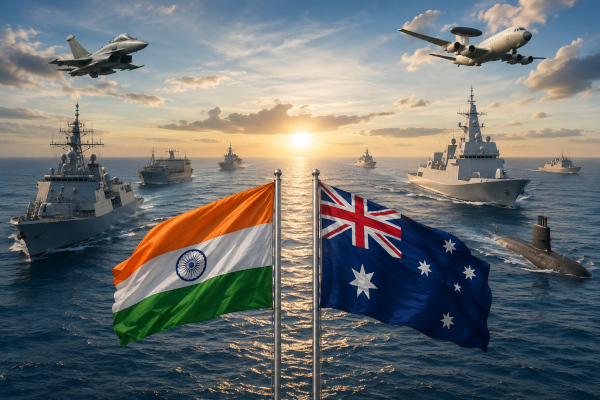
India and Australia Deepen Strategic Partnership Through Defence, Maritime, Energy and Skills Cooperation

The Maritime Security Collaboration Roadmap further strengthens this security architecture. For two maritime democracies with deep interests in the Indian Ocean and Pacific regions, information sharing, capability development and operational coordination are essential. The roadmap can improve cooperation in maritime domain awareness, naval coordination, coastal security and response to non-traditional threats such as piracy, trafficking, illegal fishing and disasters at sea. It also supports the larger goal of maintaining a free, open and rules-based Indo-Pacific.

ECLGS 5.0: India’s Emergency Credit Shield for MSMEs Crosses ₹1.55 Lakh Crore

The purpose of ECLGS 5.0 is to protect businesses from sudden cash-flow stress, help them sustain operations, and give lending institutions the confidence to extend additional credit during a period of external disruption. By offering government-backed guarantee coverage, the scheme reduces risk for banks and financial institutions, allowing credit to reach enterprises that may otherwise face pressure due to uncertainty in trade, logistics, energy costs and working-capital cycles.

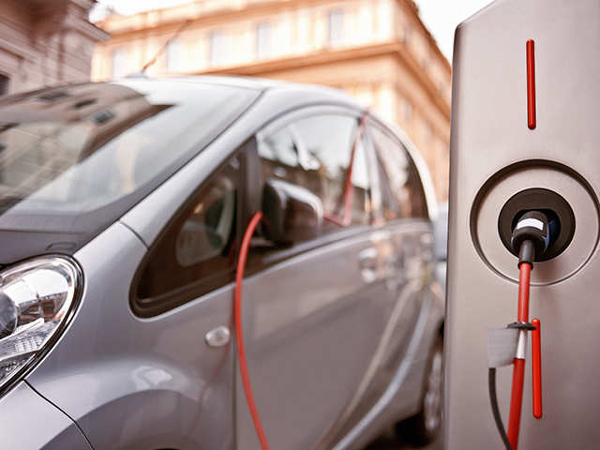
India’s EV Market Hits Record High as June Sales Cross 3 Lakh Units

The rise in EV sales reflects a broader shift in consumer behaviour. Indian buyers are increasingly considering electric vehicles for daily commuting, urban travel, fleet use and commercial operations. Better charging infrastructure, expanding dealership networks, improved battery technology and stronger after-sales support are helping reduce earlier concerns around range, charging access and maintenance.

Indiahandmade Gives India’s Artisans a Stronger Digital Marketplace

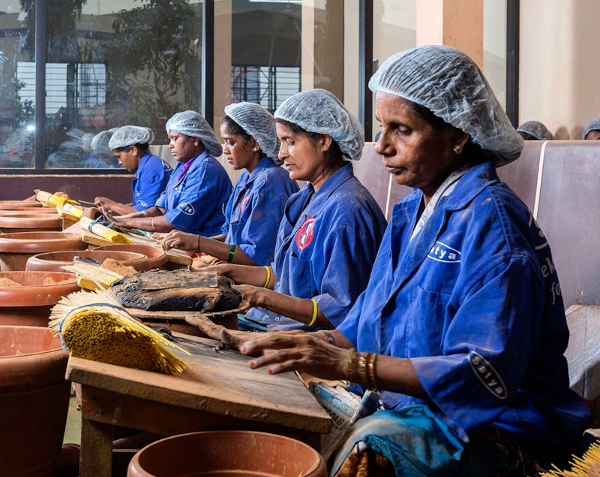
India has one of the world’s richest handmade traditions, supported by an estimated 64.66 lakh handloom and handicraft artisans. Women form the backbone of this sector, accounting for 71 percent of handloom weavers and 64 percent of the total artisan workforce as of August 2025. By helping these artisans access online markets, Indiahandmade supports both cultural preservation and livelihood generation.

Categories