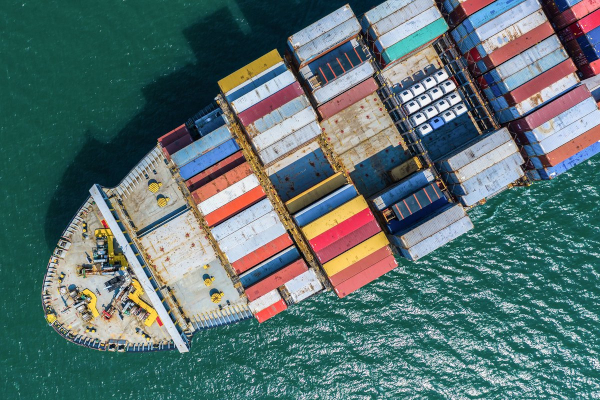
India’s cumulative exports of merchandise and services increased by 16.66% to US$568.84 billion during April–October 2026–27, compared with US$487.59 billion during the corresponding period of the previous financial year. The latest trade figures released by the Ministry of Commerce and Industry on November 13, 2026, indicate substantial growth in merchandise exports, supported by increased overseas shipments of petroleum products, electronic goods, engineering goods, chemicals and gems and jewellery.
Merchandise exports during the first seven months of the financial year reached US$309.06 billion, registering a growth of 21.96% over US$253.40 billion recorded during April–October 2025–26. Services exports were estimated at US$259.78 billion, compared with US$234.18 billion in the previous year, reflecting an estimated increase of 10.93%.
The October figures also demonstrated strong export performance, with India’s combined merchandise and services exports estimated at US$89.99 billion, representing a year-on-year increase of 29.90%.
Merchandise Exports Record Strong Growth in October
India’s merchandise exports increased to US$49.47 billion in October 2026, compared with US$34.11 billion in October 2025, representing an increase of approximately 45%. The expansion was supported by higher export values across several major industrial and manufacturing categories.
Petroleum products recorded particularly strong growth, with exports rising by 140.21% from US$3.70 billion in October 2025 to US$8.89 billion in October 2026. Electronic goods exports increased by 62.70%, reaching US$6.64 billion compared with US$4.08 billion during the corresponding month of the previous year.
Engineering goods, one of India’s important manufactured export categories, registered a 36.01% increase, with exports reaching US$12.74 billion against US$9.37 billion in October 2025. Organic and inorganic chemicals recorded growth of 36.20%, increasing from US$2.12 billion to US$2.89 billion.
Gems and jewellery exports also registered significant growth, rising by 40.06% from US$2.29 billion to US$3.21 billion during the same period.
The simultaneous expansion of electronics, engineering goods and chemical exports highlights the contribution of India’s manufacturing industries to the growth in merchandise exports during October 2026.
Non-Petroleum Exports Maintain Positive Momentum
India’s non-petroleum merchandise exports reached US$259.22 billion during April–October 2026–27, compared with US$219.66 billion in the corresponding period of the previous financial year, registering a growth of 18.01%.
Exports excluding both petroleum products and gems and jewellery increased to US$240.73 billion from US$203.17 billion, representing growth of approximately 18.5%.
During October alone, non-petroleum exports reached US$40.58 billion, compared with US$30.40 billion in October 2025. Exports excluding petroleum products and gems and jewellery increased to US$37.38 billion from US$28.11 billion.
These figures indicate that India’s export expansion was not confined to petroleum products or precious commodities. The increase in non-petroleum and non-gems and jewellery exports demonstrates broader participation by manufacturing, agricultural and other merchandise categories in the country’s export growth.
Electronics, Engineering Goods and Pharmaceuticals Contribute to Export Expansion
Several important industrial sectors recorded positive export growth during October 2026, reflecting increased overseas demand across a diversified range of Indian products.
Electronic goods exports expanded by 62.70%, while engineering goods increased by 36.01%. Organic and inorganic chemicals registered growth of 36.20%, and plastics and linoleum exports increased by 36.28%.
Drugs and pharmaceuticals recorded export growth of 10.55%, maintaining positive momentum in one of India’s established manufacturing export industries.
The textile sector also recorded improvements across multiple categories. Cotton yarn, fabrics, made-ups and handloom products registered growth of 29.96%, while man-made yarn, fabrics and made-ups increased by 23.89%. Ready-made garments of all textiles recorded growth of 20.33%.
Handicrafts excluding handmade carpets registered an increase of 55.22%, while carpets recorded growth of 20.64% and jute manufactures, including floor coverings, increased by 30.59%.
The positive performance across these industries reflects the contribution of both technology-intensive manufacturing and traditional export sectors to India’s merchandise trade.
Agricultural and Food Exports Register Positive Growth
India’s agricultural and food-processing exports also recorded growth across several product categories during October 2026.
Exports of other cereals increased by 87.47%, while oil meals registered growth of 85.55%. Cereal preparations and miscellaneous processed food products recorded an increase of 37.40%.
Meat, dairy and poultry products registered growth of 34.87%, while rice exports increased by 18.39%. Marine products recorded growth of 13.76%, and spices increased by 9.11%.
Tea exports grew by 23.04%, while coffee registered an increase of 8.51%. Fruits and vegetables recorded a smaller but positive increase of 1.84%.
The figures demonstrate positive export performance across several agricultural commodities and processed food categories, including traditional Indian export products and value-added agricultural goods.
Services Exports Reach an Estimated $259.78 Billion
India’s services exports continued to contribute substantially to the country’s overall export earnings during April–October 2026–27.
Cumulative services exports were estimated at US$259.78 billion, compared with US$234.18 billion during the corresponding period of 2025–26, registering an estimated growth of 10.93%.
Services imports were estimated at US$134.98 billion, compared with US$117.98 billion in the previous year.
Consequently, India recorded an estimated services trade surplus of US$124.80 billion during April–October 2026–27, compared with US$116.21 billion in the corresponding period of the previous financial year.
For October 2026, services exports were estimated at US$40.51 billion against US$35.17 billion in October 2025. Services imports were estimated at US$20.72 billion, compared with US$17.73 billion a year earlier.
The Ministry clarified that the latest services trade data released by the Reserve Bank of India were available up to September 2026. Accordingly, the services trade figures for October remain estimates.
United States, Singapore and China Among Major Export Growth Destinations
India recorded positive export growth across several important international markets during October 2026.
Among the leading export destinations identified by the Ministry in terms of changes in export value, shipments to the United States increased by 39.25%, while exports to Spain rose by 352.07%.
Exports to Singapore registered growth of 139.10%, while Malaysia recorded an increase of 280.72%. Exports to China increased by 48.15% compared with October 2025.
For the cumulative April–October 2026–27 period, exports to the United States increased by 14.48%, while Singapore recorded growth of 107.50%.
Exports to China increased by 37.71%, Malaysia registered growth of 106.87%, and Spain recorded an increase of 88.38%.
The figures indicate that India’s export growth during the reporting period was supported by increased trade with several major markets across North America, Europe and Asia.
Imports Rise as Merchandise Trade Deficit Widens During April–October
India’s merchandise imports increased to US$527.21 billion during April–October 2026–27, compared with US$452.86 billion during the corresponding period of the previous year.
As a result, the cumulative merchandise trade deficit widened to US$218.15 billion from US$199.46 billion in April–October 2025–26.
Total imports of merchandise and services were estimated at US$662.19 billion during the seven-month period, representing an increase of 16% over US$570.84 billion recorded a year earlier.
The overall trade deficit, including merchandise and services, stood at an estimated US$93.35 billion, compared with US$83.25 billion during April–October 2025–26.
However, the monthly merchandise trade deficit narrowed in October 2026. Merchandise imports stood at US$89.35 billion against exports of US$49.47 billion, resulting in a deficit of US$39.88 billion, compared with US$42.58 billion in October 2025.
The estimated services trade surplus partly offset the merchandise deficit, bringing India’s overall trade deficit for October 2026 to approximately US$20.09 billion, compared with US$25.15 billion in October 2025.
While cumulative exports registered substantial growth, the increase in imports resulted in a wider overall trade deficit during the first seven months of the financial year. However, the narrowing of the October deficit indicates an improvement in the monthly trade balance compared with the corresponding month of the previous year.
India’s Export Performance Reflects Broad-Based Sectoral Growth
The trade figures for April–October 2026–27 demonstrate growth across India’s merchandise and services exports, with particularly strong contributions from petroleum products, electronics, engineering goods, chemicals and several agricultural categories.
The expansion of non-petroleum exports is significant because it indicates that growth extended beyond energy-related products. Similarly, the increase in engineering goods, electronic goods and pharmaceuticals reflects the contribution of India’s industrial and technology-oriented manufacturing sectors to international trade.
At the same time, the continuing services trade surplus remains an important component of India’s external trade position, providing a partial offset to the merchandise trade deficit.
With cumulative exports reaching US$568.84 billion and merchandise exports crossing US$309 billion during April–October 2026–27, India’s latest trade data show substantial growth in export earnings across manufacturing, agriculture and services, alongside the continuing challenge of a wider cumulative trade deficit.
You may also like
-
Lakadong Turmeric of Meghalaya: The GI-Tagged Heritage of the Jaintia Hills’ Golden Spice
-
ISRO Successfully Tests Upgraded PSLV Third Stage at Sriharikota
-
IIT Madras Develops SEANAV Digital Twin Platform for Autonomous Maritime Navigation
-
Cochin Shipyard and SFO Technologies Develop India’s First Indigenous Hybrid Laser Arc Welding System
-
India Targets First Made-in-India Civil Aircraft Within Two Years as Indigenous Aviation Manufacturing Gains Momentum
