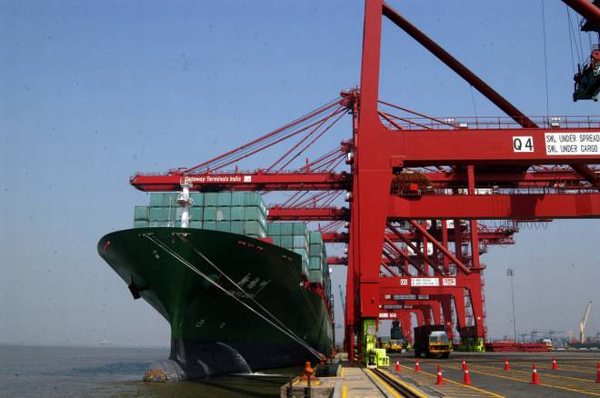
India’s expanding network of free trade agreements could provide preferential market access for nearly three-fourths of the country’s merchandise exports as negotiations progress with major economies and regional trading blocs. According to Commerce Department data reported on November 3, 2026, the share of merchandise exports covered by preferential trading arrangements could increase from 27.4% to 74.5% if all agreements currently under negotiation are successfully concluded and implemented.
The proposed expansion would extend preferential trade arrangements to approximately ₹29.07 lakh crore (US$329 billion) worth of Indian merchandise exports, compared with ₹10.68 lakh crore (US$120.9 billion) covered under agreements already in force. The development reflects India’s growing emphasis on diversifying export markets, securing improved tariff arrangements and strengthening the international competitiveness of domestic manufacturing and agricultural industries.
Existing Trade Agreements Cover US$120.9 Billion in Indian Exports
India’s merchandise exports reached approximately ₹39.02 lakh crore (US$441.5 billion) during the financial year 2025–26, providing the reference point for assessing the coverage of existing and proposed free trade agreements. Of this total, exports worth US$120.9 billion were directed towards markets covered by preferential trade arrangements, representing 27.4% of merchandise exports.
The expansion of India’s trade agreement network has accelerated over the past six years, with eight agreements concluded during this period. These arrangements form part of a broader strategy to improve access to international markets by negotiating reductions in customs duties, addressing trade barriers and establishing more predictable trading conditions for Indian exporters.
Preferential trade arrangements can provide Indian companies with improved access to overseas markets by reducing tariffs on eligible goods and simplifying selected trade procedures. Such provisions are particularly relevant for export-oriented businesses competing with manufacturers from countries that already enjoy favourable trading arrangements with major importing economies.
Agreements with Oman, United Kingdom and New Zealand Expand Market Access
India implemented three free trade agreements during the financial year 2026–27, strengthening commercial relationships with Oman, the United Kingdom and New Zealand. The agreements represent an expansion of India’s preferential trading network across the Gulf region, Europe and the Asia-Pacific.
The India–Oman Comprehensive Economic Partnership Agreement entered into force on June 1, 2026, followed by the India–United Kingdom Comprehensive Economic and Trade Agreement on July 15, 2026. The India–New Zealand Free Trade Agreement subsequently entered into force on October 20, 2026, extending India’s network of operational trade agreements to another important international market.
These agreements provide opportunities for Indian businesses across manufacturing, agriculture, engineering, textiles, leather products and other export-oriented industries. By reducing duties on eligible products and establishing clearer commercial frameworks, the arrangements can support greater participation by Indian companies in international supply chains.
For micro, small and medium enterprises, expanded preferential access is particularly significant because tariff reductions can improve price competitiveness and create opportunities to enter overseas markets that previously presented higher commercial barriers.
India–European Union Trade Agreement to Open Major Export Opportunities
The proposed India–European Union Free Trade Agreement represents one of the most significant components of India’s expanding trade network. Negotiations between India and the European Union concluded in January 2026, with both sides targeting the signing of the agreement in December and implementation during early 2027. The agreement is expected to provide Indian exporters with improved access to one of the world’s largest consumer markets while strengthening trade and investment relationships with European economies.
The European Union is an important destination for Indian engineering goods, textiles, chemicals, pharmaceuticals, agricultural products and other manufactured exports. Improved tariff arrangements under the proposed agreement could enhance the competitiveness of Indian products in European markets while creating additional opportunities for businesses seeking to diversify their international customer base. The agreement is also expected to facilitate greater industrial cooperation and strengthen India’s participation in international manufacturing and supply chains. Business Standard
India Pursues Trade Agreements with More Than Ten Countries and Regional Blocs
India is simultaneously pursuing trade negotiations with more than ten countries and regional groupings as part of its strategy to expand preferential access for domestic exporters. The negotiating partners include the United States, Eurasian Economic Union, Mercosur, Qatar, Bangladesh, Peru, Canada, Chile, Israel and the Maldives. India is also pursuing a proposed trade agreement with the Gulf Cooperation Council, alongside efforts to strengthen existing economic relationships.
The proposed bilateral trade agreement with the United States is particularly important because of the substantial commercial relationship between the two economies. Negotiations with Latin American countries and regional groupings, including Mercosur, Chile and Peru, could also provide Indian exporters with opportunities to expand into markets beyond their traditional trading destinations. Agreements with Gulf countries would complement India’s established commercial relationships in West Asia, particularly in sectors involving engineering products, food processing, pharmaceuticals and manufactured goods.
The Ministry of Commerce and Industry has identified the expansion of free trade agreements as an important component of India’s export diversification strategy. These negotiations are complemented by initiatives to address non-tariff barriers, promote district-level exports, strengthen international trade facilitation and improve the participation of Indian businesses in overseas markets.
Preferential Trade Coverage Could Reach 67% of India’s Imports
The expansion of India’s free trade agreement network is also expected to increase the proportion of merchandise imports covered by preferential trading arrangements. According to the Commerce Department figures reported by Business Standard, existing agreements cover approximately 33.1% of India’s imports, while the completion of ongoing negotiations could increase this coverage to 67%.
When merchandise exports and imports are considered together, the share of India’s international merchandise trade covered by preferential agreements could rise from approximately 31% to 69.7%. This would substantially expand the geographical reach of India’s preferential trade relationships and create opportunities for closer commercial integration with major international markets.
Trade agreements can also improve access to industrial inputs, machinery, advanced technologies and intermediate products used by Indian manufacturers. Greater access to these resources can support domestic value addition, improve production efficiency and strengthen the competitiveness of Indian products in global markets. At the same time, negotiated rules of origin and product-specific tariff arrangements determine which goods qualify for preferential treatment.
Expanding Opportunities for Indian Manufacturing and MSMEs
The growing network of free trade agreements provides an important opportunity for Indian manufacturers seeking to expand their international presence. Industries such as textiles, engineering goods, pharmaceuticals, chemicals, processed foods, leather products and electronics can benefit from preferential tariff arrangements that make eligible Indian products more competitive in overseas markets.
For India’s MSME sector, improved market access can help smaller enterprises establish international business relationships and participate more actively in global supply chains. Reduced customs duties, clearer trading procedures and improved market information can lower barriers faced by businesses entering export markets, particularly those with limited experience in international trade.
The expansion of preferential trading arrangements also complements India’s efforts to develop domestic manufacturing capabilities and strengthen export-oriented industrial infrastructure. By connecting Indian producers with a wider range of international markets, the agreements can encourage investment in manufacturing, product development, quality certification and export logistics.
India Strengthens Its Position in Global Trade
India’s expanding free trade agreement network represents an important development in the country’s international economic engagement. The potential increase in preferential coverage from 27.4% to 74.5% of merchandise exports would significantly broaden the reach of India’s trade arrangements, encompassing destinations that accounted for approximately US$329 billion in exports during FY 2025–26.
The conclusion of recent agreements with Oman, the United Kingdom and New Zealand, alongside progress in negotiations with the European Union and other major trading partners, reflects the increasing importance of international market access in India’s economic strategy. The agreements provide a framework for strengthening export competitiveness, encouraging industrial cooperation and expanding commercial relationships across multiple regions.
As India continues developing its manufacturing capabilities and export infrastructure, the growing network of preferential trade agreements will provide additional opportunities for domestic businesses to participate in international commerce. The proposed expansion reinforces India’s objective of establishing diversified trading relationships and strengthening its position within global supply chains.
References
1. India Brand Equity Foundation (IBEF)
Published: 4 November 2026
India’s Free Trade Agreement Pipeline Could Cover 75% of Merchandise Exports
Read IBEF Report
2. Business Standard
Published: 3 November 2026
India’s Free Trade Agreement Pipeline Could Cover 75% of Exports
Read Original Report
3. Press Information Bureau — Ministry of Commerce and Industry
Published: 21 July 2026
Government Expands FTAs, Export Promotion Measures to Diversify Export Markets
Read Official PIB Release
4. Press Information Bureau — Ministry of Commerce and Industry
Published: 21 September 2026
India-New Zealand FTA to Enter into Force from 20 October 2026
Read Official PIB Release
You may also like
-
NMDC Iron Ore Production Rises 22% to 32.32 Million Tonnes in April–October 2026
-
Cabinet Approves ₹14,500 Crore Scheme to Develop 92 GWh Energy Storage Capacity, Targets ₹97,600 Crore Investment
-
India’s Services PMI Climbs to Four-Month High of 55.8 in October as Inflationary Pressures Ease
-
Tonbo Imaging Plans High-Power Microwave Manufacturing and Testing Facilities in Karnataka
-
India Approves 12 Electronics Manufacturing Projects Worth ₹7,503 Crore, Launches Semicon 2.0 Portal
