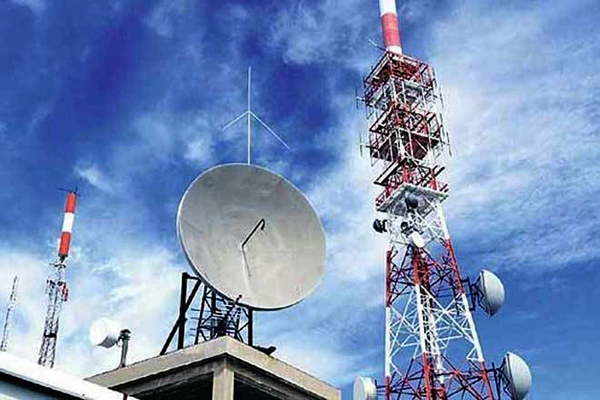
The Telecom Regulatory Authority of India (TRAI) has released the Telecommunication Interconnection (Third Amendment) Regulations, 2026, introducing a comprehensive set of reforms designed to modernise interconnection between India’s telecommunications networks. The amendments will take effect on January 1, 2027, and establish a framework for transitioning towards Internet Protocol (IP)-based interconnection, simplifying network routing, improving call quality and strengthening operational efficiency across the country’s telecom infrastructure.
The revised regulations represent an important step in adapting India’s telecommunications framework to contemporary network technologies and the changing requirements of service providers. By enabling interconnection at the Licensed Service Area level, introducing a phased transition from legacy systems and rationalising regulatory procedures, TRAI aims to strengthen connectivity between operators while improving the reliability and performance of communication services.
Modernising Interconnection Between Telecom Networks
Telecommunication interconnection refers to the technical, operational and commercial arrangements that enable different service providers to exchange communication traffic. These arrangements allow subscribers using different mobile and fixed-line networks to communicate seamlessly, regardless of the operator providing their services.
For example, when a subscriber using one telecom operator calls a subscriber connected to another operator, the communication passes through designated interconnection facilities linking the two networks. The efficiency of these arrangements influences call routing, service reliability, network utilisation and the overall quality of communication.
India’s existing interconnection framework is primarily governed by the Telecommunication Interconnection Regulations, 2018. With telecommunications infrastructure increasingly adopting IP-based technologies and more advanced network architectures, TRAI initiated a review to ensure that the regulatory provisions remain aligned with technological developments.
The latest amendments update the framework governing interconnection arrangements, points of interconnection, financial obligations and operational responsibilities. The reforms are intended to provide service providers with greater flexibility in managing their networks while maintaining transparency, technical compatibility and fair competition.
Interconnection to Shift Towards Licensed Service Area Level
One of the most significant changes introduced by TRAI concerns the geographical structure of interconnection between telecom networks. Under the revised framework, interconnection providers and seekers will be able to mutually agree on the locations where telecommunication traffic is handed over or received.
The amendment facilitates a transition from the existing interconnection arrangements based on Long Distance Charging Areas (LDCAs) and Short Distance Charging Areas (SDCAs) towards interconnection at the Licensed Service Area (LSA) level.
This change reflects the evolution of telecommunications infrastructure from geographically fragmented arrangements towards more integrated network architectures. By enabling traffic exchange at the broader service-area level, the regulations provide operators with greater flexibility to organise their networks according to modern technical requirements.
According to TRAI, the transition is expected to simplify call routing, support more efficient management of numbering resources, reduce latency and improve service reliability. The revised structure also allows operators to rationalise interconnection infrastructure while maintaining effective communication between networks.
The regulations provide a three-year transition period for migrating existing traffic from LDCA- and SDCA-level points of interconnection to LSA-level facilities. The migration will be undertaken in phases, enabling service providers to coordinate network changes while maintaining continuity of communication services.
Following completion of the transition, telecommunication traffic will be handed over or received through points of interconnection established at the Licensed Service Area or Service Area level.
Mandatory IP-Based Interconnection for New Network Connections
A major technological reform introduced through the amendments is the transition towards IP-based interconnection between telecommunications service providers. The regulations require all new interconnections established after January 1, 2027, to use IP-based technology.
Existing interconnection facilities operating through E1 or Time Division Multiplexing (TDM) systems will also be migrated to IP-based interconnection within three years through a phased implementation programme.
Traditional TDM technology divides communication capacity into fixed time intervals and has been widely used in legacy telecommunications networks. IP-based interconnection, by comparison, allows communication traffic to be exchanged using packet-based network technologies, supporting more flexible utilisation of available transmission capacity.
TRAI has identified improvements in bandwidth efficiency, call quality and end-to-end communication performance as important benefits of the transition. The move also aligns India’s interconnection framework with modern telecommunications architectures increasingly used for voice and other digital communication services.
The transition is particularly relevant as Indian telecom operators continue to modernise their infrastructure through advanced mobile networks, fibre connectivity and digital communication platforms. A common IP-based interconnection framework can support more efficient coordination between different generations of network technology while simplifying certain aspects of traffic management.
New Framework for Managing Network Capacity
The revised regulations also introduce a framework for determining the maximum call-handling capacity of IP-based points of interconnection. Under the new provisions, capacity assessments will consider the number of simultaneous communication sessions that an interconnection facility can support, alongside the bandwidth available through its network links.
This approach reflects the technical characteristics of IP-based networks, where communication capacity depends on concurrent session handling and the resources available for transmitting data packets. The framework is intended to ensure that service providers maintain sufficient interconnection capacity while complying with applicable Quality of Service requirements.
Appropriate capacity planning is important because interconnection facilities must accommodate traffic moving between different telecom networks. Insufficient capacity can contribute to congestion and affect call establishment or communication performance, particularly during periods of heavy network utilisation.
By linking capacity calculations to measurable network capabilities, the regulations provide a clearer basis for planning and managing IP-based interconnection infrastructure. The approach supports more efficient network utilisation and helps operators align technical resources with actual communication requirements.
TRAI Introduces Formal Procedure for Surrendering Interconnection Points
Another important amendment establishes a specific procedure for the voluntary surrender of points of interconnection. The earlier framework contained provisions for disconnecting interconnection facilities, primarily in exceptional circumstances involving disputes or problems attributable to another service provider.
The new procedure distinguishes such disconnection from voluntary surrender, which may occur when an operator no longer requires a particular interconnection facility for its own operational reasons.
Service providers may seek to surrender points of interconnection when traffic volumes decline, services are withdrawn from a particular area or communication traffic is transferred to alternative routes. Establishing a formal regulatory mechanism allows operators to manage these changes within a defined framework.
The provision is intended to support financial and operational efficiency by allowing telecom companies to rationalise interconnection infrastructure as their networks evolve. It is particularly relevant during the transition towards LSA-level and IP-based interconnection, when some legacy facilities may become unnecessary as traffic is consolidated or rerouted.
Bank Guarantee Requirements Rationalised
TRAI has also revised provisions concerning bank guarantees associated with points of interconnection. The amendments retain the existing bank guarantee framework while extending the validity period of guarantees furnished following reassessment and the interval between reassessments.
Under the previous arrangements, the relevant reassessment interval and guarantee validity were six months. The revised regulations extend both periods to twelve months, reducing the frequency of associated administrative procedures.
The amendments also introduce a revised methodology for determining the ceiling on bank guarantees, including provisions applicable to IP-based interconnection.
Bank guarantees form part of the financial security arrangements between service providers. Their purpose is to support compliance with applicable commercial obligations arising from interconnection agreements.
The revised framework provides operators with a more predictable reassessment schedule and is intended to reduce recurring administrative requirements while maintaining appropriate financial safeguards.
Interest Provisions Introduced for Delayed Interconnection Payments
The amendment regulations establish a specific provision governing interest on delayed payment of interconnection-related charges and interconnection usage charges.
Under the revised framework, the applicable interest rate will be mutually agreed upon by the service providers concerned. However, the rate cannot exceed the State Bank of India’s one-year Marginal Cost of Funds-based Lending Rate (MCLR) plus two percentage points.
This provision introduces a defined ceiling for interest associated with delayed interconnection payments while allowing commercial flexibility within the prescribed limit.
Interconnection arrangements involve financial obligations between participating operators, making predictable payment terms important for maintaining orderly commercial relationships. The new provision provides greater clarity regarding delayed payments and establishes a common regulatory reference for determining applicable interest.
Together with the revised bank guarantee provisions, the amendment contributes to a more structured financial framework for telecommunications interconnection.
Reporting Requirements and Regulatory Enforcement Strengthened
TRAI has introduced reporting requirements to monitor the implementation of the new interconnection arrangements. Service providers will be required to submit information concerning the migration of traffic from LDCA- and SDCA-level facilities to LSA-level points of interconnection.
The reporting framework will also monitor the transition from E1/TDM-based interconnection to IP-based systems. These submissions will provide the regulator with information about implementation progress and support oversight of the prescribed transition.
The amendments additionally establish a graded framework of financial disincentives for violations of regulatory provisions. The framework is designed to make enforcement proportionate to the nature and seriousness of individual contraventions.
By combining defined reporting obligations with a graduated enforcement mechanism, TRAI aims to strengthen regulatory accountability while supporting the orderly implementation of the revised interconnection framework.
These provisions complement the technical and commercial reforms by establishing mechanisms through which compliance can be monitored and regulatory requirements enforced.
Regulations Finalised Following Extensive Industry Consultation
The revised interconnection regulations follow a consultation process initiated by TRAI in April 2025. The regulator first released a pre-consultation paper on April 3, 2025, seeking stakeholder views on the review of existing interconnection regulations.
A detailed consultation paper was subsequently issued on November 10, 2025, incorporating background information and issues identified during the initial consultation.
Following extensions to the consultation schedule, the deadlines for submitting written comments and counter-comments were December 15 and December 29, 2025, respectively.
TRAI received comments from 17 stakeholders and counter-comments from nine stakeholders. An Open House Discussion was conducted on January 28, 2026, providing an additional opportunity for industry participants and other interested parties to discuss the proposed changes.
The regulator examined these submissions before finalising the Telecommunication Interconnection (Third Amendment) Regulations, 2026.
The consultation process reflects the importance of coordinating regulatory reform with the operational and technical requirements of India’s telecommunications industry, particularly when implementing changes affecting network architecture and inter-operator connectivity.
Strengthening India’s Digital Communications Infrastructure
The revised regulations form part of India’s wider telecommunications modernisation, which includes the expansion of high-speed mobile networks, fibre connectivity and advanced digital communication infrastructure.
Interconnection is a fundamental requirement of a competitive telecommunications ecosystem because subscribers must be able to communicate across networks operated by different service providers. Efficient interconnection arrangements support this interoperability while allowing operators to deploy and manage their infrastructure independently.
The shift towards IP-based interconnection and service-area-level traffic exchange provides a regulatory foundation for more integrated network operations. These changes are intended to support better bandwidth utilisation, simpler traffic routing and improved service reliability while giving operators greater flexibility in managing their interconnection infrastructure.
The amendments also strengthen the commercial and administrative framework through revised bank guarantees, defined payment provisions, procedures for surrendering interconnection facilities and structured compliance monitoring.
For telecommunications companies, these measures provide greater regulatory clarity as networks transition towards modern technologies. For subscribers, the expected benefits include more reliable communication between different networks and improvements in the technical efficiency supporting voice services.
India Moves Towards a Modern Interconnection Architecture
The Telecommunication Interconnection (Third Amendment) Regulations, 2026, represent a comprehensive update to the framework governing communication between India’s telecom networks. The reforms combine technological modernisation with operational flexibility, financial rationalisation and stronger regulatory oversight.
With the regulations taking effect on January 1, 2027, all newly established interconnections will be required to adopt IP-based technology, while existing E1/TDM facilities and geographically distributed interconnection arrangements will undergo phased migration over three years.
The transition towards Licensed Service Area-level interconnection and modern packet-based communication infrastructure strengthens the foundations of India’s digital connectivity ecosystem. By simplifying network arrangements, improving interconnection efficiency and establishing clearer operational standards, TRAI has introduced a framework suited to the continued evolution of telecommunications technology.
The amendments reinforce India’s commitment to developing a reliable, technologically advanced and efficiently interconnected telecommunications network capable of supporting the country’s expanding digital economy. They also provide a regulatory foundation for continued investment in modern communication infrastructure, strengthening connectivity between service providers and supporting seamless communication for millions of users across India.
Source: Telecom Regulatory Authority of India, Press Release No. 148, November 3, 2026; Press Information Bureau, Ministry of Communications, November 3, 2026, 12:37 PM IST. Release ID: 2331941.
You may also like
-
India Showcases Digital Public Infrastructure and Expanding Trade Partnerships at Commonwealth Summit
-
Pune Fintech Fibe Enters UPI Payments Market After NPCI Approval
-
Indian AI Startup Sarvam Launches Prism, an Indigenous Decision Model for Enterprise Automation
-
Bengaluru Space Startup Akashalabdhi Tests Expandable Space Habitat Technology at 30 Kilometres Altitude
-
India Proposes Expanded Import Network for Medicines and Medical Devices to Improve Healthcare Logistics
