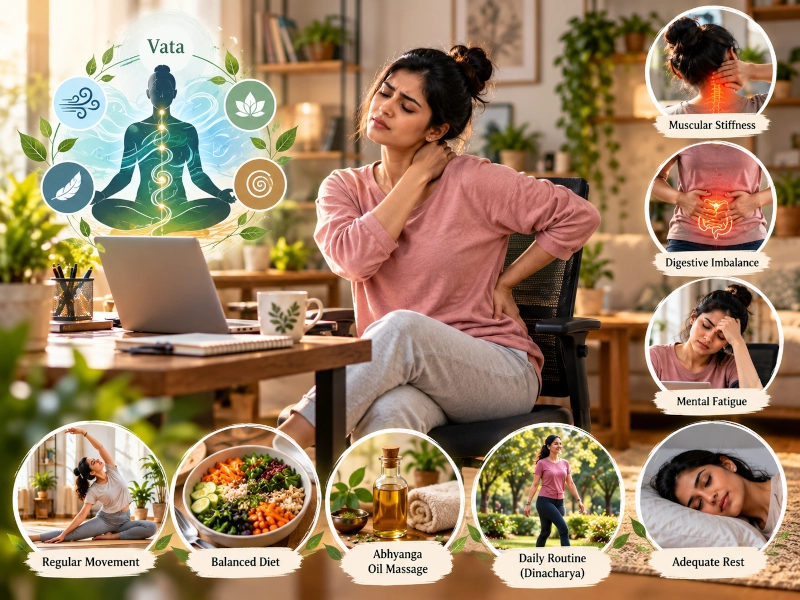
Modern lifestyles have significantly changed the relationship between physical movement, work and rest. Office employment, remote working arrangements, digital communication and prolonged screen exposure have made sitting an unavoidable part of everyday life for millions of people. From early morning meetings to extended hours at a computer, individuals often remain in the same position for considerable periods, with limited opportunities for natural movement. Although sitting is a normal human activity, remaining physically inactive for prolonged periods can contribute to muscular stiffness, postural discomfort, reduced mobility and other health concerns associated with sedentary behaviour.
Ayurveda approaches human health through an interconnected understanding of physical activity, digestion, mental well-being, daily routines and the balance of the three Doshas—Vata, Pitta and Kapha. Within this traditional framework, Vata is associated with movement and several activities that maintain the functioning of the body. The Ayurvedic understanding of Vata provides a perspective on the importance of regular movement, appropriate exercise and consistency in daily habits, particularly for individuals whose occupations require them to remain seated for much of the day.
Understanding Vata Dosha and Its Relationship with Movement
According to classical Ayurveda, Vata is associated with the elements of air and space and is characterised by qualities such as movement, lightness, dryness, coldness, subtlety and mobility. It is traditionally regarded as the principal Dosha responsible for initiating and regulating various forms of movement within the body, including respiration, muscular activity, sensory functions and the movement of substances through bodily systems. Ayurvedic texts describe the balanced functioning of Vata as essential to the coordination of physical and physiological activities, while disturbances in its normal functioning are associated with a range of symptoms and disorders.
Ayurveda classifies Vata into five functional subdivisions known as Prana Vata, Udana Vata, Samana Vata, Vyana Vata and Apana Vata. These classifications describe different aspects of bodily functioning, including breathing, speech, digestion, physical movement and elimination. Vyana Vata is particularly relevant to discussions of movement because it is traditionally associated with the coordination of bodily activities and muscular mobility, while Apana Vata is linked with functions involving the lower abdomen and pelvic region. Samana Vata, meanwhile, is associated with digestive processes and the movement of food through the digestive system.
These descriptions belong to the classical Ayurvedic understanding of human physiology and should not be considered direct equivalents of anatomical structures or physiological mechanisms established by contemporary medical science. Nevertheless, they illustrate the importance Ayurveda places on coordinated movement and the relationship between different bodily functions.
Prolonged Sitting and the Ayurvedic Understanding of Inactivity
Ayurveda emphasises that maintaining health requires an appropriate relationship between physical activity, rest, diet and individual constitution. Classical teachings recognise that excessive exertion and insufficient physical activity can both disturb healthy routines, although their effects are interpreted differently according to an individual’s Dosha constitution, age, strength, lifestyle and environmental conditions. Within this framework, prolonged sitting is not automatically considered a cause of increased Vata, because sedentary behaviour is also traditionally associated with Kapha-related patterns and reduced digestive activity.
However, a sedentary lifestyle frequently involves more than remaining seated. People who spend long hours working at computers may also experience irregular meal timings, insufficient physical activity, extended mental stimulation, inadequate sleep and limited exposure to natural daily rhythms. In traditional Ayurvedic interpretation, combinations of these habits may contribute to patterns involving Vata imbalance, particularly when accompanied by discomfort, restlessness, dryness or irregularity in bodily functions.
Ayurveda therefore approaches the consequences of inactivity through the broader context of an individual’s daily routine rather than attributing every symptom directly to one Dosha. This distinction is important because prolonged sitting may produce different effects in different individuals, and the identification of a particular Ayurvedic imbalance requires assessment within the traditional diagnostic framework.
Muscular Stiffness, Joint Discomfort and Restricted Movement
One of the most common experiences associated with prolonged sitting is the development of stiffness or discomfort around the neck, shoulders, lower back and hips. When the body remains in a relatively fixed position for extended periods, certain muscles may experience sustained loading while others receive limited movement. Poor workstation arrangements, insufficient changes in posture and inadequate physical activity can further contribute to discomfort, particularly among individuals whose work requires continuous computer use.
Classical Ayurvedic descriptions of Vata-related disorders include pain, stiffness, restricted mobility and disturbances affecting the limbs, joints and lower back. These symptoms are traditionally interpreted according to the qualities and functional activities attributed to Vata, although ordinary muscular discomfort after desk work does not necessarily indicate the presence of an Ayurvedic disorder. Contemporary medical understanding explains such discomfort through musculoskeletal factors, including sustained posture, muscular loading, movement patterns and individual physical conditions.
Both perspectives draw attention to the importance of avoiding prolonged immobility. Periodically standing, walking, changing sitting positions and undertaking comfortable mobility exercises can help reduce the duration of uninterrupted static postures. For individuals working at desks, maintaining a suitable chair height, arranging the computer screen appropriately and allowing sufficient space for comfortable movement are also important components of a healthier working environment.
Digestion, Agni and the Role of Apana Vata
Digestion occupies a central position in Ayurveda, where Agni represents the traditional concept associated with digestive and metabolic transformation. Ayurvedic teachings connect the maintenance of Agni with appropriate food intake, regular eating habits, physical activity and the coordinated functioning of the Doshas. Samana Vata is associated with digestive processes, while Apana Vata is traditionally linked with elimination and other functions involving the lower abdominal region.
Long periods of sitting are often accompanied by habits that may be unfavourable for maintaining consistent digestive routines. Irregular meals, frequent snacking, insufficient water intake and limited physical movement can become established patterns during demanding working days. Ayurveda traditionally encourages regular meals, moderation and attention to digestive comfort, while contemporary nutritional guidance emphasises balanced food intake, adequate dietary fibre, hydration and regular physical activity as important components of general digestive and metabolic health.
The Ayurvedic concepts of Agni and Apana Vata provide a traditional explanation of bodily functioning rather than independently verified physiological mechanisms. However, the practical emphasis on regular meals, appropriate activity and moderation remains relevant to people attempting to establish healthier routines during sedentary working days.
Mental Fatigue, Digital Stimulation and Vata
Physical inactivity does not necessarily mean that the mind is at rest. A person may remain seated throughout the day while continuously responding to emails, attending online meetings, processing information and engaging with digital devices. This combination of limited physical movement and sustained mental activity can be accompanied by fatigue, stress and difficulty maintaining a comfortable balance between work and personal time.
In Ayurveda, Vata is traditionally associated with sensory activity, mental movement and several functions involving attention and responsiveness. Irregular routines, inadequate rest and excessive stimulation are commonly discussed within Ayurvedic interpretations of Vata imbalance. Although these concepts do not provide a modern medical explanation for anxiety, fatigue or other psychological symptoms, they reflect Ayurveda’s emphasis on maintaining regularity and moderation in daily activities.
For people engaged in prolonged digital work, establishing predictable periods for meals, movement and rest can provide a useful structure. Taking short breaks away from screens, engaging in comfortable physical activity and maintaining consistent sleep schedules can support general well-being. Persistent mental fatigue, anxiety or sleep difficulties, however, should not automatically be attributed to Vata and may require appropriate professional assessment.
Dinacharya: Bringing Regular Movement into Daily Life
Dinacharya, the Ayurvedic concept of a structured daily routine, provides a traditional framework for organising activities in a manner suited to individual needs. Classical Ayurvedic guidance discusses waking habits, personal hygiene, exercise, meals, rest and other daily practices as interconnected aspects of maintaining health. The underlying emphasis is on consistency, moderation and adapting routines to an individual’s circumstances rather than following an inflexible schedule.
For individuals who spend much of their day seated, Dinacharya can be adapted to include regular opportunities for movement. Beginning the morning with a comfortable walk, gentle stretching or suitable yoga practice can introduce physical activity before the working day. Once seated at a desk, periodically standing, changing posture and walking for a few minutes can help interrupt long periods of inactivity without requiring major changes to professional responsibilities.
A practical approach may involve taking brief movement breaks approximately every 30 to 60 minutes, depending on personal comfort and work requirements. This is a convenient modern behavioural strategy rather than a specific prescription from classical Ayurvedic texts. The central objective is to make movement a consistent part of everyday life instead of allowing several uninterrupted hours of sitting to become the normal pattern.
Vyayama: The Importance of Exercise in Ayurveda
Vyayama, or physical exercise, is an important component of classical Ayurvedic lifestyle guidance. Traditional texts describe appropriate exercise as a means of supporting physical strength, bodily functioning and a sense of lightness when performed according to an individual’s capacity. At the same time, Ayurveda cautions against excessive exertion and recommends that physical activity be adapted to age, strength, health status and environmental conditions.
This principle of moderation is particularly relevant to people transitioning from a sedentary lifestyle to a more active routine. Sudden, strenuous exercise may be unsuitable for someone who has remained physically inactive for a prolonged period, while gradual increases in walking, mobility exercises and other comfortable activities can provide a more sustainable approach. The aim is to incorporate regular physical activity without exceeding individual capabilities or aggravating existing health conditions.
Contemporary public health guidance also places strong emphasis on regular exercise. The World Health Organization recommends that adults undertake at least 150 to 300 minutes of moderate-intensity aerobic physical activity each week, or an equivalent amount of vigorous-intensity activity, together with muscle-strengthening activities on at least two days. These evidence-based recommendations are distinct from traditional Ayurvedic prescriptions but reinforce the practical importance of maintaining an active lifestyle.
Abhyanga and the Traditional Practice of Oil Massage
Abhyanga, the traditional Ayurvedic practice of applying oil to the body through massage, is described as part of daily self-care in classical Ayurveda. Within the Ayurvedic understanding of Dosha qualities, oil application is associated with counterbalancing dryness and roughness, which are traditionally linked with Vata. The practice is therefore commonly included in Ayurvedic routines intended to promote comfort and relaxation.
For people experiencing mild muscular tightness after extended desk work, gentle self-massage may serve as a relaxing addition to regular movement, appropriate exercise and adequate rest. Warm oil is traditionally used in Abhyanga, although the choice of oil and method of application may vary according to individual needs and Ayurvedic assessment.
The therapeutic effects of Abhyanga should not be overstated, because scientific evidence does not establish that oil massage corrects a measurable Vata imbalance or treats the medical consequences of prolonged sitting. Individuals with injuries, inflamed skin, suspected blood clots or other conditions that may make massage unsafe should avoid the practice unless advised otherwise by a qualified healthcare professional.
Dietary Habits and the Ayurvedic Approach to Vata Balance
Ayurvedic dietary guidance places considerable importance on regular meals, appropriate food preparation and individual digestive capacity. In traditional practice, warm, freshly prepared and easily digestible foods are frequently recommended for individuals assessed as having Vata-related imbalances. These recommendations form part of a broader system in which food choices are adapted to constitution, season, digestive comfort and health status.
For individuals with sedentary occupations, maintaining consistent meal timings can be especially useful because prolonged work sessions often encourage delayed meals, frequent snacking or hurried eating. Setting aside appropriate time for meals and avoiding continuous eating while working can help establish a more organised daily routine.
A balanced diet containing vegetables, fruits, whole grains, adequate protein and other nutritious foods supports general health, while sufficient hydration and appropriate dietary fibre contribute to normal digestive functioning. People with diabetes, kidney disorders, gastrointestinal conditions or other medical requirements should follow dietary advice appropriate to their health needs rather than adopting general Ayurvedic recommendations without assessment.
Yoga and Gentle Mobility for People Who Sit for Long Hours
Yoga offers opportunities to combine comfortable physical movement with body awareness and relaxation. For people who remain seated for extended periods, gentle yoga practices can be incorporated into daily routines to encourage movement of the spine, shoulders, hips and legs. The choice of posture should depend on individual mobility, strength and any existing medical conditions.
Tadasana, commonly known as Mountain Pose, encourages upright standing and awareness of body alignment, while Marjaryasana, or Cat-Cow movement, involves gentle movements of the spine. Comfortable shoulder rotations, neck movements and seated mobility exercises may also be performed during breaks from desk work. More demanding postures should be approached gradually, particularly by individuals who are unfamiliar with yoga or have existing joint and spinal problems.
The purpose of these activities is not to treat every consequence of prolonged sitting through yoga alone, but to introduce regular and appropriate movement into otherwise inactive periods. Exercise should remain comfortable, and movements that produce significant pain, dizziness or unusual symptoms should be discontinued. Individuals with persistent discomfort, injuries or mobility limitations may benefit from guidance provided by qualified healthcare professionals.
What Modern Research Says About Prolonged Sitting
Modern scientific research has established that excessive sedentary behaviour is an important public health concern. The World Health Organization defines sedentary behaviour as waking activity characterised by low energy expenditure while sitting, reclining or lying down. Higher amounts of sedentary behaviour among adults are associated with increased risks of cardiovascular disease, type 2 diabetes and premature mortality, particularly when accompanied by insufficient physical activity.
WHO recommends limiting sedentary time and replacing it with physical activity of any intensity, including light movement. Walking, standing and other everyday activities can contribute to reducing the time spent inactive, while regular moderate or vigorous exercise provides additional health benefits. These recommendations are based on contemporary research involving measurable physical activity patterns and health outcomes.
Ayurveda approaches lifestyle through a separate traditional framework involving Doshas, Agni, daily routines and individual constitution. Although Ayurvedic teachings and contemporary public health recommendations both emphasise the value of appropriate activity and balanced habits, their explanations should not be treated as scientifically interchangeable. The traditional concepts provide a cultural and historical perspective, while modern medical guidance establishes the evidence-based recommendations for reducing health risks associated with sedentary behaviour.
Creating a Balanced Daily Routine for Modern Working Life
An effective daily routine for someone who spends several hours sitting need not involve complicated practices or major changes to professional responsibilities. The combination of regular movement, appropriate meals, adequate hydration, comfortable working arrangements and sufficient rest can provide a practical foundation for healthier everyday habits. Ayurveda’s emphasis on Dinacharya offers a traditional framework for maintaining consistency across these activities.
The working day can begin with gentle exercise or a short walk, followed by regular meals and planned periods of focused work. During working hours, brief opportunities to stand, stretch comfortably or walk can interrupt long periods of sitting. Simple changes, such as standing while taking suitable phone calls, moving between tasks and walking during breaks, can increase daily activity without creating unnecessary disruption.
After work, engaging in walking, yoga or another enjoyable physical activity can help establish a clearer transition between professional responsibilities and personal time. Maintaining a consistent evening routine, reducing unnecessary screen exposure before bedtime and allowing adequate time for sleep further reflects Ayurveda’s emphasis on balancing activity with rest.
Ayurveda’s Enduring Emphasis on Movement and Balance
Ayurveda recognises daily habits as an important part of maintaining health and places particular emphasis on the relationship between appropriate exercise, rest, digestion and individual well-being. Its teachings on Dinacharya and Vyayama encourage regularity and moderation, while the traditional understanding of Vata highlights the importance attributed to movement within the Ayurvedic view of the human body.
In modern working environments, where prolonged sitting and continuous digital engagement have become increasingly common, these principles provide a reminder of the value of maintaining an active and balanced routine. Contemporary public health recommendations similarly encourage people to reduce sedentary time and incorporate regular physical activity throughout the day.
The central message of Ayurveda is that health is supported through consistent habits suited to the needs of the individual. By making regular movement, appropriate exercise, balanced meals and sufficient rest part of everyday life, people can carry the traditional principles of Dinacharya into modern working environments while supporting their long-term physical and mental well-being.
You may also like
-
Ayurveda for Office Workers: Daily Habits to Reduce Stiffness and Fatigue
-
Indian Biotech Firms Pandorum and Nucelion Partner to Develop Advanced Regenerative Therapies for Eye Diseases
-
Ayurveda for Sedentary Lifestyles: Restoring Movement, Digestion and Balance in Modern Life
-
Zydus Lifesciences Secures USFDA Approval for Advanced Transdermal Hormone Therapy
-
Ayurveda and Screen Time: Protecting the Eyes, Mind and Sleep in the Digital Age
