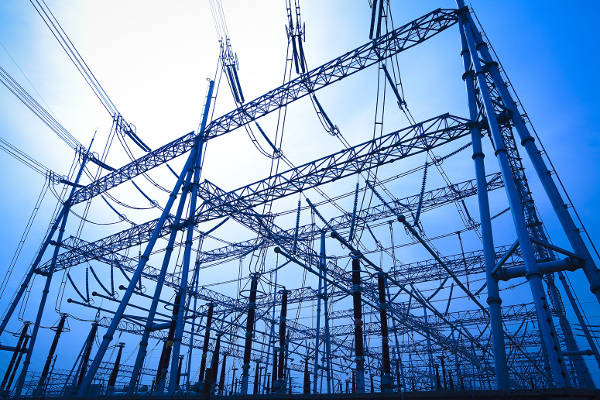
India and Singapore are exploring an ambitious cross-border electricity transmission project that could connect the two countries through a 3,000-kilometre power corridor capable of transferring 2,000 megawatts (MW) of electricity. The proposed interconnection would create a new route for electricity trade between South Asia and Southeast Asia while supporting renewable energy integration and regional energy security.
Union Minister of State for Power and New and Renewable Energy Shripad Yesso Naik outlined the proposal on October 8, 2026, during the 20th East Asia Summit Energy Ministers’ Meeting in Manila, Philippines. The Ministry of Power confirmed that a land-based transmission corridor connecting Imphal in India to Singapore through Myanmar, Thailand and Malaysia is among the options under consideration.
The initiative forms part of India’s expanding energy cooperation with ASEAN and aligns with efforts to develop interconnected electricity networks across Asia. It also reflects the growing importance of cross-border electricity trade as countries increase renewable energy generation and seek more reliable power supplies.
Proposed Transmission Corridor Would Connect Five Countries
The proposed electricity corridor would begin at Imphal in Manipur and extend through Myanmar, Thailand and Malaysia before reaching Singapore. Covering approximately 3,000 kilometres, the route would connect India’s electricity network with Southeast Asian transmission infrastructure.
The proposed interconnection would have a transfer capacity of 2,000 MW, equivalent to 2 gigawatts. This represents the maximum intended power-transfer capability, rather than a confirmed volume of electricity exports.
Such a project would require coordination among the countries along the route, including agreements covering transmission access, electricity trading arrangements, grid operations and infrastructure development.
Engineering studies would also need to assess suitable transmission technologies, geographical challenges, technical compatibility and the economics of long-distance electricity transfers. High-voltage direct current transmission is one possible technological approach for long-distance power corridors, although the government has not confirmed the transmission system for this proposal.
The Ministry of Power has described the corridor as an option under exploration. The route has not been finalised, and no official construction schedule, investment amount or project developer has been announced.
India and Singapore Seek Stronger Clean Energy Cooperation
The proposed project reflects the complementary energy interests of India and Singapore.
India has substantially expanded its renewable electricity generation capacity, particularly in solar and wind power. Singapore, meanwhile, has limited land available for large-scale renewable energy installations and is pursuing international electricity imports to support its energy transition.
Singapore’s Energy Market Authority has established a target to import approximately 6 gigawatts of low-carbon electricity by 2035. Cross-border electricity connections form an important part of this strategy because they can provide access to renewable and other low-carbon energy resources beyond Singapore’s geographical boundaries.
The proposed India-Singapore interconnection could contribute to these objectives by creating an additional route for electricity trade. However, the countries have not announced a supply agreement specifying the quantity, price or source of electricity that would move through the proposed corridor.
For India, international electricity connectivity offers an opportunity to develop new markets for domestic power generation while strengthening cooperation with Southeast Asian economies.
ASEAN Power Grid Provides a Framework for Regional Electricity Trade
The proposed India-Singapore corridor would complement the wider ASEAN Power Grid initiative, which seeks to improve electricity interconnections among Southeast Asian countries.
The initiative aims to enable participating countries to exchange electricity, strengthen supply reliability and make better use of available generation resources. Regional interconnections can help electricity systems respond to variations in demand and renewable energy output.
At the Manila meeting, Naik welcomed the ASEAN Plan of Action for Energy Cooperation 2026–2030 and emphasised the importance of cooperation under the ASEAN-India Plan of Action 2026–2030.
He identified regional transmission infrastructure, multilateral electricity trade, renewable energy integration and energy security as important areas for collaboration.
India also reiterated its support for ASEAN’s efforts to operationalise the Enhanced Memorandum of Understanding on the ASEAN Power Grid. This framework seeks to strengthen institutional cooperation and advance the development of regional electricity networks.
The proposed connection to Singapore would extend the geographical scope of such cooperation by linking the Indian power system with Southeast Asian electricity markets.
India’s 558.8 GW Power Capacity Supports Regional Energy Ambitions
India’s expanding electricity generation capacity provides an important foundation for its interest in regional power connectivity.
According to figures presented by the Ministry of Power at the East Asia Summit meeting, India’s installed electricity generation capacity reached 558.8 GW on September 30, 2026.
Of this, approximately 308 GW came from non-fossil fuel sources, representing around 55% of the country’s installed capacity.
The minister also highlighted India’s achievement of reaching 50% non-fossil installed electricity generation capacity in June 2025, five years ahead of its corresponding 2030 Nationally Determined Contribution target.
These figures demonstrate the growing role of renewable energy and other non-fossil technologies in India’s electricity system. However, installed generation capacity is different from actual electricity output, which depends on plant availability, weather conditions and operational requirements.
Developing cross-border transmission infrastructure could eventually create additional opportunities for electricity trading while helping integrate renewable generation into interconnected regional networks.
NTPC, POWERGRID and Indian Energy Institutions Could Support Regional Cooperation
During the East Asia Summit meeting, India proposed stronger institutional relationships between the ASEAN Centre for Energy and major Indian energy organisations.
The minister identified NTPC, POWERGRID, the Central Electricity Authority, the National Institute of Wind Energy, the National Institute of Solar Energy and the National Power Training Institute as institutions capable of supporting regional cooperation.
These organisations possess expertise across electricity generation, transmission planning, grid operations, renewable energy assessment and technical training.
POWERGRID’s experience in constructing and operating high-voltage transmission infrastructure could be particularly relevant to knowledge-sharing initiatives involving regional electricity interconnections.
NTPC’s experience in power generation and renewable energy development offers another area for technical cooperation. Meanwhile, the Central Electricity Authority contributes expertise in system planning, technical standards and electricity sector development.
The Ministry of Power has proposed institutional cooperation and knowledge exchange. It has not announced that any of these organisations have received contracts to develop the India-Singapore corridor.
Battery Storage and Grid Technologies Will Be Important for Cross-Border Power Trade
Long-distance electricity trade involving renewable energy requires more than transmission infrastructure. Participating electricity systems must also manage fluctuations in generation, differences in demand and the operational requirements of interconnected grids.
Solar and wind generation vary according to sunlight and weather conditions. Battery energy storage systems can help manage some of this variability by storing electricity during periods of higher generation and releasing it when required.
Advanced forecasting systems, grid management technologies and coordinated electricity-market arrangements are also important for reliable cross-border operations.
At the Manila meeting, India offered to share its experience in renewable energy deployment, grid integration, transmission planning, energy storage and green hydrogen technologies.
The minister also identified opportunities for cooperation involving strategic petroleum reserves, emergency preparedness, liquefied natural gas security and electricity system resilience.
These areas demonstrate that India’s regional energy engagement extends beyond renewable power exports to include broader cooperation in energy security and emerging technologies.
India-Singapore Corridor Aligns with One Sun One World One Grid Vision
The proposed power connection is consistent with the objectives of India’s One Sun One World One Grid (OSOWOG) initiative.
The initiative promotes international electricity interconnections that can enable greater use of renewable energy resources across different geographical regions and time zones.
Because electricity demand and solar generation vary across countries, interconnected grids may allow electricity generated in one region to support consumption elsewhere.
A long-distance India-Singapore interconnection could demonstrate how neighbouring electricity systems can cooperate across national boundaries and develop arrangements for regional electricity trading.
The concept also complements India’s Act East Policy, which seeks stronger economic, infrastructure and strategic relationships with Southeast Asian countries.
For India, electricity connectivity represents an additional dimension of regional integration alongside existing cooperation in trade, transport, maritime infrastructure and digital technologies.
Regional Electricity Connectivity Will Require Multilateral Agreements
A transmission corridor passing through Myanmar, Thailand and Malaysia would involve considerable technical, commercial and diplomatic coordination.
Each participating country has its own electricity regulations, transmission infrastructure, market arrangements and national energy priorities. Developing a shared corridor would therefore require agreements concerning transmission rights, operational responsibilities, pricing mechanisms and power-system security.
The project would also need to address transmission losses, system stability, environmental requirements and the protection of critical electricity infrastructure.
Long-distance electricity corridors can involve significant capital expenditure, particularly where new transmission lines, converter stations or major grid upgrades are required.
The proposed route’s geography adds another layer of complexity, making detailed feasibility studies essential before investment decisions can be taken.
The present discussions establish a potential direction for cooperation rather than a commitment to construct the project. Its development will depend on subsequent technical assessments, commercial negotiations and agreements among participating governments and electricity-sector organisations.
India Advances Its Role in Regional Clean Energy Cooperation
The proposed 3,000-kilometre India-Singapore electricity corridor represents a significant concept in India’s wider efforts to strengthen regional energy connectivity.
Its proposed 2,000 MW capacity could support future electricity trade between India and Southeast Asia while complementing the ASEAN Power Grid and Singapore’s low-carbon electricity import objectives.
The initiative also creates opportunities for Indian expertise in transmission infrastructure, renewable energy integration, electricity system planning and advanced grid technologies.
Although the project remains at the exploratory stage, the official discussions demonstrate increasing interest in developing international power networks that connect electricity markets across national boundaries.
India’s engagement with Singapore and ASEAN on cross-border electricity connectivity marks a forward-looking step towards stronger regional energy cooperation. The proposed corridor provides a foundation for future collaboration in clean electricity trade, advanced transmission technologies and a more interconnected Asian energy system.
References
- Ministry of Power, Government of India — October 8, 2026: India Highlights Regional Energy Cooperation and Energy Security at 20th East Asia Summit Energy Ministers’ Meeting
- The Financial Express — October 10, 2026: India Eyes 3,000-km Power Corridor to Singapore for 2,000 MW Clean-Energy Trade
- India Brand Equity Foundation — October 9, 2026: India and Singapore Explore 2,000 MW Cross-Border Power Corridor
- The Economic Times — October 8, 2026: India, Singapore Eye 2,000 MW Power Corridor
- Business Standard — October 8, 2026: India, Singapore Plan 3,000-km Cross-Border Power Link via ASEAN Nations
You may also like
-
Punjab’s Rail Coach Factory Advances Vande Bharat Manufacturing as 16-Coach Trainset Undergoes 180 kmph Trial
-
Himachal Startup Tecnod8.AI Develops Industrial AI Copilot for Advanced Manufacturing
-
Skyroot Aerospace Partners with Brazil’s Concert Technologies to Develop New Orbital Launch Vehicle
-
Subex Wins $700,000 African Telecom Contract for AI-Powered HyperSense Fraud Management Technology
-
BEML Secures ₹75.58 Crore Export Order for Heavy Mobility Military Vehicles in Southeast Asia
