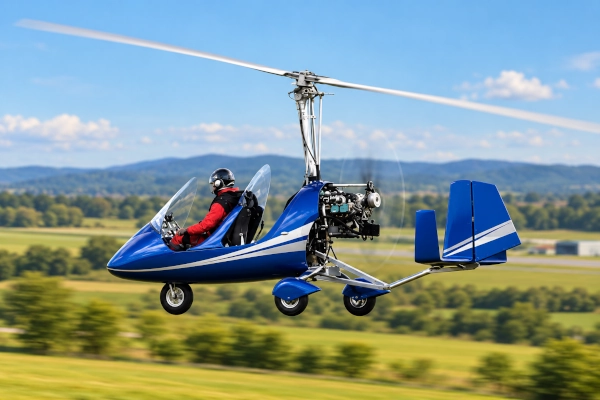
The Directorate General of Civil Aviation has introduced a dedicated training framework for gyroplane pilots, marking an important regulatory step towards bringing this category of aircraft into India’s civil aviation ecosystem. The new Civil Aviation Requirement establishes structured ground and flying training standards for candidates seeking a pilot licence to operate gyroplanes.
The DGCA has promulgated Civil Aviation Requirement Section 7, Series B, Part XXI, titled “Ground and Flying Training Syllabus for Issue of Pilot Licence for Gyroplanes.” Issued on September 29, 2026, the framework specifies the training syllabus that prospective gyroplane pilots will be required to complete before becoming eligible for licensing.
Dedicated Training Standards for Gyroplane Pilots
The new CAR provides a formal regulatory structure for both theoretical instruction and practical flying training. By laying down a standardised syllabus, the DGCA is creating the foundation for consistent pilot training and competency requirements as gyroplane operations begin to develop in India.
The framework is significant because gyroplanes differ considerably from conventional fixed-wing aircraft and helicopters. Their distinctive flight characteristics require pilots to understand the behaviour of the rotor system, aircraft handling, flight performance and operational limitations associated with this class of aircraft.
A dedicated syllabus therefore allows training to be designed specifically around gyroplane operations rather than adapting requirements intended for other aircraft categories.
How Gyroplanes Operate
A gyroplane, also known as an autogyro, generates lift through a freely rotating rotor positioned above the aircraft. Unlike a helicopter, the rotor is not normally powered directly by the engine during flight. Instead, airflow passing through the rotor causes it to rotate through a process known as autorotation.
Forward thrust is generated separately by an engine-driven propeller. This combination gives gyroplanes flight characteristics that differ from both helicopters and conventional aeroplanes while allowing them to operate effectively at comparatively low speeds.
Their relatively compact design and operational flexibility have made gyroplanes useful in several parts of the world for recreational flying as well as specialised aerial operations.
Gyroplanes Could Support Multiple Civil Aviation Activities
The DGCA has identified several areas in which gyroplanes could potentially be used in India. These include joyrides and air experience flights, which can introduce more people to recreational aviation while supporting tourism and aviation-related leisure activities.
Gyroplanes can also undertake specialised aerial work. Potential applications include agricultural spraying, surveillance, aerial surveys and banner towing. Their low-speed flying capability and ability to operate from relatively modest facilities can make them suitable for missions requiring observation or operations over defined areas.
As the regulatory ecosystem develops, additional commercial and specialised applications could emerge around tourism, surveying, agriculture and other civil aviation services.
First Step Towards Gyroplane Operations in India
The DGCA has described the new training requirement as an initial step towards facilitating the introduction and operationalisation of gyroplanes in India. Establishing pilot-training standards provides the regulatory foundation required before the sector can expand into regular operations.
Further development of the ecosystem is expected to involve the establishment of approved training organisations capable of conducting gyroplane instruction. Manufacturing, assembly and maintenance capabilities will also become important as the number of aircraft and operators grows.
Domestic assembly and manufacturing could eventually create opportunities for Indian aviation companies, component manufacturers and emerging aerospace enterprises to participate in this specialised aircraft segment.
Expanding India’s General Aviation Ecosystem
India’s civil aviation sector has traditionally been dominated by commercial airlines, helicopters and conventional general-aviation aircraft. The introduction of a regulatory pathway for gyroplanes broadens this landscape by creating space for another category of light aviation.
A structured licensing framework also gives prospective pilots, flying schools and aviation businesses greater regulatory clarity before investing in aircraft, training infrastructure or related services.
With the DGCA now establishing formal gyroplane pilot-training standards, India has taken a concrete step towards developing a regulated gyroplane ecosystem. The combination of training institutions, operational experience and domestic manufacturing capabilities can gradually build a new segment within Indian general aviation while opening opportunities in tourism, aerial work and specialised aviation services.
References
Press Information Bureau, Government of India — “DGCA Introduces Training Framework for Gyroplane Pilots,” published September 29, 2026.
Directorate General of Civil Aviation — Civil Aviation Requirement, Section 7, Series B, Part XXI: “Ground and Flying Training Syllabus for Issue of Pilot Licence for Gyroplanes.”
You may also like
-
DRDO CASDIC Opens 30 Paid Internships for Engineering and Science Students
-
Duryodhana Wins Shalya Through Hospitality: Gifts, Obligation and Political Leverage Before the Kurukshetra War
-
Krishna’s Private Meeting With Karna: Back-Channel Diplomacy Before the Kurukshetra War
-
One Voice – One Resolve – One India: Namami Bharatam Marks 150 Years of Vande Mataram Across the Nation
-
Drupada’s Priest at Hastinapura: The Mahabharata’s First Formal Diplomatic Attempt to Prevent the Kurukshetra War
