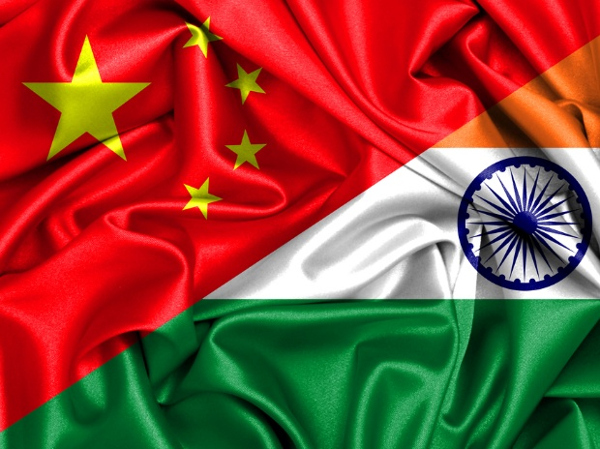
Prime Minister Narendra Modi and Chinese President Xi Jinping held bilateral talks in New Delhi on September 12, 2026, on the sidelines of the 18th BRICS Summit, with the two leaders signalling their intention to manage differences while addressing some of the most difficult issues in the India–China relationship, including the boundary question, trade imbalance, supply chains and market access.
The meeting marked another step in the gradual stabilisation of bilateral relations following Modi and Xi’s previous meeting in Tianjin in August 2025. Both leaders welcomed what they described as steady progress in relations since that interaction and agreed that India and China should approach their ties from a strategic and long-term perspective.
A central message from the meeting was that disagreements between the two countries should not be allowed to turn into disputes. Modi stressed that bilateral relations should be guided by the principles of mutual respect, mutual sensitivity and mutual interest, describing these three elements as essential for managing relations between the two major Asian powers.
Border Peace Remains Fundamental
The situation along the India–China boundary remained one of the most important subjects discussed. Modi emphasised that peace and tranquillity in the border areas are essential for the continued development of the broader bilateral relationship.
He also stressed the need for both sides to observe existing agreements and understandings dealing with border-related matters. The emphasis indicates that while New Delhi is prepared to expand engagement with Beijing, stability along the Line of Actual Control remains fundamental to rebuilding confidence.
Modi and Xi reiterated their commitment to working towards a fair, reasonable and mutually acceptable settlement of the boundary question. Significantly, the two leaders framed such a settlement within the wider political relationship and the long-term interests of the Indian and Chinese peoples, signalling that the boundary issue will continue to be addressed through political and diplomatic mechanisms.
Trade Imbalance and Market Access Enter the Leaders’ Agenda
Economic relations also featured prominently in the talks. India and China agreed on the need to address each other’s concerns regarding structural trade imbalances and supply-chain issues, while creating conditions for meaningful and predictable market access.
The reference to structural trade imbalance is particularly important for India, which has repeatedly sought greater access for Indian goods and businesses in the Chinese market. The leaders’ discussion indicates that economic normalisation will increasingly depend not simply on expanding the volume of trade but also on addressing underlying concerns over the composition and balance of that trade.
Supply-chain resilience has also become an increasingly important component of economic relations, particularly as Indian industries continue to depend on Chinese inputs in several manufacturing and technology sectors. Predictability in access to critical components and materials therefore remains an important part of the wider economic dialogue.
People-to-People Links to Expand
The two leaders also reviewed progress in restoring and expanding people-to-people contacts. They called for greater cultural interaction, stronger business links and increased mobility between India and China.
These measures could play an important role in rebuilding the wider relationship after several years in which political and border tensions affected travel, business activity and other forms of bilateral interaction.
Greater mobility and commercial engagement would also complement efforts by both governments to gradually restore institutional contacts while ensuring that unresolved strategic differences remain under management.
Expanding Common Ground Beyond Bilateral Differences
Modi and Xi agreed that India and China should continue identifying areas of common interest on regional and global questions. Both countries are major emerging economies with significant roles in BRICS and other multilateral institutions, giving them areas where cooperation remains possible despite continuing bilateral differences.
President Xi’s participation in the New Delhi summit also gave the two leaders an opportunity to discuss the relationship within the wider framework of BRICS cooperation. Modi thanked China for supporting India’s BRICS chairship and for its contribution to the organisation of the 2026 BRICS Summit.
The significance of the September 12 meeting lies less in announcing a dramatic breakthrough than in establishing the principles under which India and China intend to manage their relationship. New Delhi has made clear that border stability remains indispensable, while economic engagement must increasingly address India’s concerns over trade imbalance, supply chains and market access.
At the same time, the commitment to prevent differences from becoming disputes suggests that both governments are seeking a more predictable framework for managing competition between two countries whose geopolitical interests frequently overlap.
The Modi–Xi meeting therefore points towards a cautious process of stabilisation rather than a complete reset. Border peace, mutual sensitivity and more balanced economic engagement will remain the key tests of whether the improvement in India–China relations can develop into a durable long-term understanding.
You may also like
-
Ramaphosa Calls for New Era in India–South Africa Economic Ties, Targets Green Energy, Minerals and Infrastructure
-
India and Brazil Push for Deeper Strategic Partnership as Trade Target Rises to $30 Billion
-
PM Modi Meets PM Abiy Ahmed at BRICS Summit as India and Ethiopia Deepen Strategic Partnership
-
PM Modi Meets PM Anwar Ibrahim at BRICS Summit as India and Malaysia Deepen Strategic Partnership
-
PM Modi Meets Vietnam PM Le Minh Hung at BRICS Summit as India–Vietnam Strategic Ties Deepen
