GI Produce of India
Few agricultural products are as closely associated with the landscape of northern India as Basmati rice. Celebrated for its exceptional fragrance, long and slender grain, remarkable elongation during cooking and delicate texture, Basmati has been cultivated for generations in the fertile plains below the Himalayas and across the northwestern Indo-Gangetic region.
Its identity comes not merely from a particular rice variety but from the relationship between seed, soil, climate, river systems, cultivation practices, harvesting, processing and ageing. The Agricultural and Processed Food Products Export Development Authority describes Basmati as a special long-grain aromatic rice traditionally cultivated in a defined geographical area of the Himalayan foothills of the Indian subcontinent. The distinctive agro-climatic conditions of this region contribute directly to the characteristics for which the grain is valued.
Within India, the protected Geographical Indication covers Punjab, Haryana, Himachal Pradesh, Uttarakhand, Delhi, specified areas of western Uttar Pradesh and three districts of Jammu and Kashmir. It is one of India’s most commercially important agricultural GIs and one of the country’s most internationally recognised food products.
A Rice Shaped by the Himalayan Foothills
The traditional Basmati-growing belt occupies a distinctive geographical transition between the Himalayan foothills and the great alluvial plains of northern India.
Rivers descending from the Himalayas and their associated drainage systems have deposited fertile alluvial soils across these plains for thousands of years. Punjab and Haryana form the principal western heartland, while Basmati cultivation extends through Delhi and western Uttar Pradesh towards Uttarakhand and parts of Himachal Pradesh. Farther northwest, the Jammu plains around Jammu, Samba and Kathua constitute another important traditional Basmati zone.
APEDA currently defines the Indian Basmati GI production area across seven states and Union Territories: Punjab, Haryana, Himachal Pradesh, Uttarakhand, Delhi, 30 districts of western Uttar Pradesh and three districts of Jammu and Kashmir.
This geographical limitation is fundamental to the GI. Rice with long grains or aroma grown elsewhere does not automatically become Basmati merely because it resembles it. The protected identity depends upon both recognised Basmati varieties and production within the designated geographical region.
Centuries of Cultivation in Northern India
Basmati belongs to an old agricultural tradition rather than being a recent commercial creation. APEDA records a documented history extending beyond 200 years, while describing cultivation of aromatic Basmati-type rice in its traditional geographical region as extending much further into the past.
Generations of farmers selected rice plants not simply for yield but for attributes that distinguished the grain after cooking. Aroma, length, fineness, texture and the ability of cooked grains to remain separate became highly prized characteristics.
Over time, particular populations of aromatic rice became closely adapted to northern India’s environment. Traditional cultivars such as Basmati 370 became important foundations of this heritage, while modern agricultural research subsequently produced improved Basmati varieties capable of delivering higher yields or better disease resistance without abandoning the essential quality characteristics required of Basmati.
The result is a product that combines agricultural heritage with modern plant breeding. Basmati today is therefore not limited to one ancestral cultivar. It represents a recognised group of varieties that must satisfy defined quality requirements while maintaining the distinctive identity associated with the traditional Basmati-producing region.
What Makes a Grain Basmati?
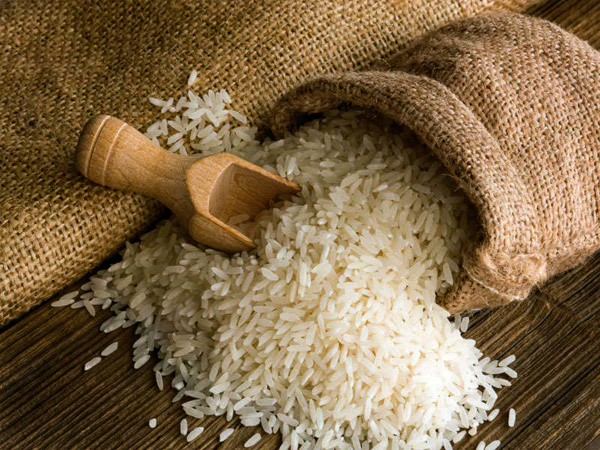
The most immediately recognisable characteristic of Basmati is its long, narrow grain.
Uncooked Basmati appears slender rather than broad or rounded. During cooking, the grain expands primarily along its length instead of swelling excessively in width. High-quality Basmati consequently becomes strikingly elongated while individual grains remain visually distinct.
India has established technical criteria for determining whether a newly developed rice variety can qualify for notification as Basmati. APEDA’s published standards specify a minimum average pre-cooked milled grain length of 6.61 millimetres, an average breadth below 2 millimetres and a minimum length-to-breadth ratio of 3.5.
After cooking, the average grain must reach at least 12 millimetres in length, while the minimum elongation ratio is specified at 1.70. The standards also require characteristic aroma and appropriate cooked-grain qualities, including integrity of the grain, non-stickiness, tenderness, good taste and desirable mouthfeel.
These specifications demonstrate that Basmati is more than a marketing description for aromatic rice. Its identity is measurable in the laboratory and observable on the plate.
The Signature Aroma
Basmati’s fragrance is perhaps its most celebrated characteristic.
When properly cooked, the rice releases a characteristic aroma that distinguishes it from ordinary long-grain varieties. This fragrance forms such an important part of Basmati’s identity that aroma is one of the formal quality parameters used when assessing whether a rice variety qualifies as Basmati.
The sensory experience develops through a combination of genetics, environment and post-harvest handling. Variety is essential, but APEDA also emphasises the influence of the region’s agro-climatic conditions, harvesting methods, processing and ageing on the final character of Basmati rice.
For consumers, the result is a rice that is valued not simply as a source of carbohydrates but for its fragrance and flavour in its own right.
Extraordinary Elongation During Cooking
One of Basmati’s most distinctive culinary qualities becomes visible only after it enters the cooking pot.
Instead of simply becoming larger in every direction, a good Basmati kernel elongates dramatically along its length. APEDA describes Basmati as having extra-long slender grains that can reach approximately twice their original length during cooking, while maintaining the characteristic soft and fluffy texture associated with the rice.
This elongation is particularly important in dishes where individual grains need to remain visually distinct. In biryani and pulao, for example, the appearance of separate elongated grains contributes almost as much to the finished dish as aroma and flavour.
The grain is also valued because properly prepared Basmati does not normally become excessively sticky. The cooked kernels remain separate, tender and light, providing the characteristic texture prized in northern Indian, Mughlai and many other South Asian rice preparations.
Traditional Basmati and Modern Improved Varieties
Basmati cultivation has evolved considerably with modern agricultural research.
Traditional varieties possess exceptional aroma and eating quality but may be relatively tall, lower yielding or more vulnerable to lodging and disease. Indian agricultural scientists have consequently spent decades developing improved varieties that preserve Basmati’s essential quality traits while improving farm productivity.
The Pusa Basmati family developed through the Indian Agricultural Research Institute has played a particularly important role in this transformation. Varieties such as Pusa Basmati 1, Pusa Basmati 1121 and Pusa Basmati 1509 helped substantially expand productivity and commercial cultivation.
More recent breeding programmes have introduced disease-resistant derivatives. APEDA, for example, describes Pusa Basmati 1886 as an improved line possessing resistance to bacterial leaf blight and blast while retaining long slender grains, strong aroma and excellent cooking characteristics. Its reported grain length is about 7.77 millimetres before cooking and around 15.21 millimetres after cooking.
This continuing breeding work demonstrates how a traditional GI product can evolve without losing the defining characteristics that give it geographical identity.
Cultivation Across the Basmati Belt
Basmati is principally a kharif-season crop, taking advantage of the warm and humid conditions of the Indian monsoon.
Fields are prepared during the summer, while seedlings are traditionally raised in nurseries before being transplanted into puddled fields after the onset of suitable monsoon conditions. Modern farming systems can differ according to variety, water availability and local agronomic practices, but careful field management remains essential because both yield and grain quality can be affected by crop nutrition, water stress, pests and harvesting time.
Punjab, Haryana and western Uttar Pradesh account for a large share of commercial cultivation. Uttarakhand, Himachal Pradesh and the Jammu region retain smaller but culturally and agriculturally significant Basmati-growing areas.
APEDA’s crop assessments illustrate the remarkable scale of the sector. Its survey for the 2023 season estimated more than 2.13 million hectares under Basmati across the principal study region, producing approximately 9.85 million tonnes of paddy.
These numbers demonstrate that Basmati is no longer merely a specialised local aromatic rice. It is now one of the largest premium agricultural value chains in India.
Punjab and Haryana — The Commercial Heartland
Punjab and Haryana occupy a central place in contemporary Basmati production.
The combination of fertile alluvial soils, irrigation infrastructure, established rice procurement and milling networks and easy access to major processing centres has made the region particularly important for modern commercial Basmati.
Large numbers of farmers cultivate varieties selected partly according to export demand, maturity period, yield and local growing conditions. Paddy harvested from these fields enters an extensive network of mandis, traders, mills, ageing facilities, packaging companies and exporters.
The Basmati economy therefore extends far beyond the farm itself. It supports rice mills, grading facilities, laboratories, transport companies, packaging operations and international trading firms throughout northern India.
Western Uttar Pradesh — A Major Basmati Landscape
Western Uttar Pradesh forms another large component of the protected Basmati geography.
The recognised Basmati-growing belt extends across 30 districts of western Uttar Pradesh. Government crop surveys treat this region as one of the principal components of India’s Basmati production system alongside Punjab and Haryana.
The Basmati landscape here stretches across districts belonging to the upper Gangetic and adjoining plains, where fertile soils, irrigation and warm monsoon conditions support extensive rice cultivation.
Western Uttar Pradesh has also become important for processing and quality assurance. APEDA’s Basmati Export Development Foundation operates its laboratory and demonstration-cum-training facilities at Modipuram near Meerut, where activities include varietal identification, physical-quality testing, farmer training and support for Basmati quality assurance.
Basmati of the Jammu Plains
At the northwestern edge of India’s Basmati geography lies the Jammu region, particularly the districts of Jammu, Samba and Kathua.
These three districts form the Jammu and Kashmir component of the recognised Basmati belt. APEDA crop surveys show continuing cultivation of traditional and improved Basmati types in this region, with varieties including Basmati 370 and related aromatic cultivars maintaining a particularly important presence.
The Jammu plains lie beneath the outer Himalayan ranges and share several ecological characteristics with the broader northwestern Basmati belt. Their inclusion within the GI reflects both geographical continuity and longstanding cultivation traditions.
The presence of Basmati in Jammu also illustrates the remarkable north-south breadth of the protected region—from the Himalayan foothills to the irrigated plains of Punjab, Haryana and western Uttar Pradesh.
Harvesting at the Right Stage
Timing is critical when harvesting Basmati.
Harvesting too early can compromise grain development, while excessive delay can result in shattering, weather damage or loss of quality. Farmers therefore seek an appropriate stage of maturity before cutting and threshing the crop.
Post-harvest handling is equally important. Paddy must be dried and stored under conditions that protect it from excess moisture, pests and contamination before milling.
Unlike many agricultural products where freshness is always considered desirable, premium Basmati can benefit substantially from ageing.
Why Basmati Is Aged
Ageing is one of the distinctive characteristics of the Basmati trade.
Rice is often stored for a period before it reaches consumers because ageing can improve cooking behaviour and influence aroma, texture and grain separation. Moisture distribution and physicochemical properties change gradually during storage, helping properly aged rice cook into the long, separate grains associated with premium Basmati.
The importance of ageing is reflected even in official varietal-quality testing. APEDA’s technical criteria specify that grain samples used for certain analyses should be aged for three months under protected conditions at normal room temperature before assessment.
Commercial premium Basmati may be aged substantially longer depending upon the processor, variety and intended market.
This ageing requirement adds another layer to the value chain because warehouses and millers must hold significant quantities of rice for extended periods before sale.
Milling Without Losing the Grain
Basmati’s unusual length makes careful milling particularly important.
Paddy must first be dehusked before the brown rice is polished to the desired level. Excessive mechanical stress can break the slender kernels, reducing the proportion of valuable whole grains and lowering the commercial grade.
Modern Basmati mills therefore use specialised cleaning, de-stoning, milling, grading and sorting systems. Optical sorters can remove discoloured grains and foreign material, while grading equipment separates rice according to size and broken-grain content.
Some Basmati is sold as raw milled rice, while another major category is parboiled or sella Basmati, produced through controlled soaking and heat treatment before milling. Golden sella Basmati acquires its characteristic colour through processing and is particularly important in several export markets.
Whatever the processing style, preservation of grain length, aroma and cooking quality remains central to the product’s value.
From the Farm to the Basmati Market
The Basmati harvest creates an extensive seasonal trading ecosystem across northern India.
Farmers bring harvested paddy to agricultural markets or sell through established procurement networks. Millers and exporters assess parameters such as variety, moisture, grain quality and purity before purchasing. Paddy is then dried, stored, milled, graded and often aged before entering domestic or international markets.
Price differences between Basmati varieties can be substantial because export demand, grain length, expected cooking quality and the size of the harvest influence market values.
The sector also requires unusually strong traceability because the commercial premium attached to the Basmati name creates an incentive for substitution or mixing with non-Basmati rice.
Basmati.Net and Protection of Authenticity
India has therefore developed a dedicated traceability architecture for Basmati.
APEDA operates Basmati.Net, a web-based system intended to track activities throughout the Basmati supply chain and help ensure the authenticity of rice reaching consumers in India and overseas. APEDA is the registered proprietor of the Basmati GI and is responsible for administering the GI and protecting its identity.
The Basmati Export Development Foundation also supports quality verification, including physical testing and DNA fingerprinting for varietal identification. This allows the industry to distinguish recognised Basmati varieties from other rice more scientifically than would be possible through visual inspection alone.
Such systems are especially important because Basmati is a high-value commodity traded over enormous distances.
A Global Agricultural Product
Basmati has developed from a regional grain of northern India into one of the country’s most important agricultural exports.
During 2025–26, India exported approximately 6.52 million tonnes of Basmati rice, valued at about ₹50,138 crore, or US$5.67 billion, according to APEDA. Saudi Arabia was the largest destination, followed by Iran, Iraq, the United Arab Emirates, Yemen and the United States.
These figures underline the extraordinary international demand surrounding the Basmati name.
For consumers in West Asia, Europe, North America and elsewhere, Basmati has become closely associated with Indian cuisine and with dishes such as biryani and pulao. For farmers and processors in northern India, it represents a premium crop whose value depends heavily on maintaining quality and access to overseas markets.
A Grain Closely Bound to Place
Basmati demonstrates particularly clearly why geographical indications matter for agricultural products.
The defining qualities of the rice cannot be reduced to grain length alone. They arise from an interaction between recognised genetics and a recognised landscape, together with farming practices, harvesting, milling and ageing.
The Himalayan foothills and northwestern Indo-Gangetic plains provide the environmental setting in which generations of farmers cultivated and selected the aromatic rice that eventually became internationally known as Basmati.
The GI protects that association between product and place.
It allows the name Basmati to signify more than simply fragrant long-grain rice. Within India’s protected system, it identifies rice originating from a defined traditional production region and meeting the standards associated with that heritage.
GI Details at a Glance
- Geographical Indication: Basmati
- State(s)/UTs: Punjab, Haryana, Himachal Pradesh, Uttarakhand, Delhi, parts of Western Uttar Pradesh and Jammu & Kashmir
- Product: Agricultural — Basmati Rice
- Class: 30
- Application Number: 145
- Date of Filing: 26 November 2008
- GI Journal: Journal No. 34
- Journal Availability Date: 31 May 2010
- Certificate Number: 238
- GI Certificate Date: 15 February 2016
- Registered Proprietor: Agricultural & Processed Food Products Export Development Authority (APEDA)
- Geographical Area: Punjab, Haryana, Himachal Pradesh, Delhi, Uttarakhand, 30 districts of Western Uttar Pradesh and the recognised Basmati-producing area of Jammu & Kashmir, principally Jammu, Samba and Kathua
- Registration Valid Until: 25 November 2028
The registration particulars above are taken directly from the Geographical Indications Registry, Intellectual Property India, which records Basmati under Application No. 145 with APEDA as its registered proprietor.
The Fragrant Heritage of Northern India
Basmati is ultimately the story of a landscape expressed through a grain.
Its roots lie in fields watered by the river systems of northern India, stretching from the Jammu plains and Himalayan foothills through Punjab and Haryana to western Uttar Pradesh. Its identity was refined through generations of farmers who valued fragrance, slender kernels and extraordinary cooking quality, and it has been strengthened in the modern era through agricultural science, improved varieties, specialised milling and sophisticated traceability.
Yet the characteristics that made Basmati famous remain remarkably traditional. An uncooked grain is long and delicate; during cooking it stretches dramatically without becoming broad or sticky; and as steam rises from the pot, its characteristic fragrance announces a rice unlike ordinary varieties.
From the paddy fields beneath the Himalayas to dining tables across the world, Basmati remains one of India’s most distinctive examples of agricultural geography transformed into culinary heritage.
You may also like
-
India’s Manufacturing GVA Grows 9.59% as Employment Crosses 2 Crore
-
India Advances Trade Diplomacy at G20 Ministerial in Milwaukee
-
Kokasa Launches to Build Indigenous Mission-Critical Systems for Su-30MKI, MiG-29 and T-72
-
Tata Projects and MDS Aero Partner to Build Advanced Aero-Engine Test Infrastructure in India
-
Flying Wedge Defence Partners With Portugal’s Keydef to Manufacture Kaal Bhairava and YAMA Drones in Europe
