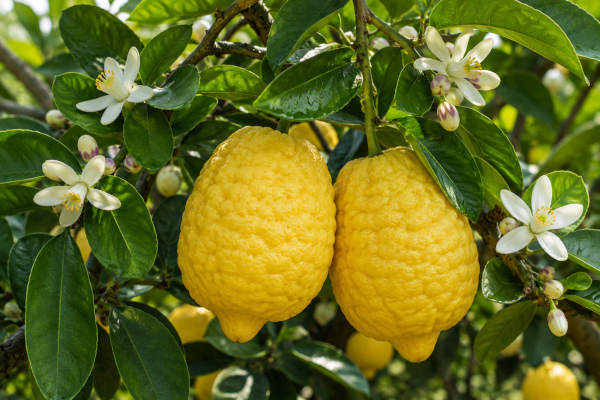
Sweet lemon, commonly known as Mosambi, is a gentle citrus fruit valued for its refreshing taste, digestive support and cooling effect on the body. In the Ayurvedic tradition, the name Matulunga is classically associated with citron or large lemon varieties, while regional usage often connects it with sweet lemon and related citrus fruits. For practical Ayurvedic understanding, sweet lemon may be viewed as a mild, pleasant and nourishing citrus fruit with digestive, hydrating and restorative qualities.
Matulunga belongs to the citrus family and is known for its aromatic rind, juicy pulp and pleasant sour-sweet taste. Unlike sharper lemon varieties, sweet lemon is softer in action and is widely used as a daily fruit juice, especially during summer, tiredness, dehydration, low appetite and recovery after illness. Its gentle nature makes it suitable for many people when taken fresh and in moderation.
Sanskrit and Common Names
In Sanskrit, Matulunga is associated with large citrus fruits and citron-like varieties. Other related names used in regional and practical contexts include Madhura Nimbuka, Mosambi, Sweet Lime and Sweet Lemon. In Hindi and many Indian languages, it is commonly called Mosambi. In Malayalam, it is often referred to as Madhura Naranga or sweet naranga.
Ayurvedic Properties
Sweet lemon has a pleasant combination of madhura and amla rasa, meaning sweet and mildly sour taste. It is generally considered refreshing, thirst-relieving and supportive of digestion. Its action is milder than strongly sour citrus fruits.
Rasa: Madhura-amla, sweet and mildly sour
Guna: Laghu, light; slightly snigdha, mildly unctuous
Virya: Generally cooling to mildly warming depending on variety and ripeness
Vipaka: Madhura
Dosha effect: Helps balance Vata when taken fresh and ripe; supports Pitta when used as diluted juice; can increase Kapha when taken in excess or with sugar
In simple terms, sweet lemon is a fruit that refreshes the body, kindles mild appetite, supports digestion and restores fluids without being heavy when used properly.
Matulunga and Digestion
Ayurveda gives great importance to Agni, the digestive fire. Sweet lemon supports digestion gently through its mild sourness and pleasant aroma. It helps improve taste perception, stimulates salivation and encourages appetite. For people who feel tastelessness in the mouth, low appetite or mild heaviness after food, fresh sweet lemon juice with a small pinch of rock salt and roasted cumin can be useful.
The fruit is especially helpful when digestion is weak due to heat, tiredness or mild dehydration. Its juice gives freshness without overburdening the stomach. The aromatic peel of citrus fruits is also traditionally valued for improving appetite and reducing nausea.
A Fruit for Hydration and Energy
Sweet lemon is best known as a natural hydrating fruit. Its juice is commonly used during hot weather, fatigue, travel, summer exhaustion and recovery. It helps replenish fluid, gives a feeling of lightness and supports the body when there is dryness caused by heat or physical strain.
Fresh mosambi juice is often preferred during convalescence because it is easy to consume, pleasant in taste and gentle on the stomach. In Ayurveda, such fruits are appreciated when they restore strength without creating heaviness.
Benefits of Sweet Lemon / Matulunga
Sweet lemon helps relieve thirst and dryness. It supports appetite and mild digestion. It brings freshness to the mouth and mind. It is useful during summer tiredness, heat exposure and general fatigue. It supports natural immunity through its fresh fruit quality and vitamin-rich nature. It can be used as a gentle fruit during recovery when digestion has started improving.
For people with mild acidity, sweet lemon should be taken diluted and away from an empty stomach if sour foods trigger discomfort. The fully ripe fruit is always preferred in Ayurveda because unripe citrus can disturb digestion.
Use in Fever and Recovery
In traditional household practice, sweet lemon juice is often given during recovery from fever, weakness or loss of taste. Ayurveda supports the idea of giving light, fresh and easy-to-digest foods when the body is regaining strength. Fresh sweet lemon juice, diluted with clean water, can refresh the person and support fluid intake.
During fever with strong digestive weakness, it should be used only when appetite returns. Small quantities are better than large glasses. Ayurveda always gives importance to digestive capacity before recommending fruit juices.
Use for Skin and Freshness
Sweet lemon supports freshness from within by improving hydration and digestion. In Ayurveda, healthy skin depends on proper digestion, balanced Pitta and good circulation of rasa dhatu, the nourishing fluid tissue. Fresh citrus fruits, when suitable to the person, help maintain clarity, freshness and lightness.
The rind of Matulunga and related citrus fruits is aromatic. Traditionally, citrus peel is valued for its fragrance and digestive support. Dried peel powders are used in some household preparations, but they should be used in small quantities because the peel can be strong and sharp.
Simple Ayurvedic Sweet Lemon Drink
Take one glass of fresh sweet lemon juice diluted with equal quantity of water. Add a small pinch of Saindhava Lavana or rock salt and a pinch of roasted cumin powder. Mix well and drink during the day, preferably before evening.
This preparation supports digestion, relieves thirst and gives light energy. Rock salt supports Vata balance, while cumin improves digestion. This is especially useful in summer, travel fatigue and mild loss of appetite.
Sweet Lemon with Honey
Fresh sweet lemon juice may be mixed with a small quantity of honey and water for a refreshing drink. Honey should be added only when the liquid is at room temperature. Ayurveda advises that honey should never be heated. This drink can be used when there is mild tiredness, dull taste and need for freshness.
Best Time to Take
Sweet lemon is best taken during the day, especially mid-morning or afternoon. It should be consumed fresh. Juice kept for long periods loses its prana, freshness and digestive quality. Ayurveda always prefers freshly prepared fruit juice over stored juice.
It is better to avoid taking large quantities late at night, as citrus fruits may disturb digestion in some people.
Who Can Use It
Sweet lemon is suitable for people with heat, thirst, tiredness, mild appetite loss and summer fatigue. It is also useful for those recovering from illness when digestion is stable. Children, elders and weak persons can take it in small quantities when it suits their digestion.
People with strong Kapha symptoms, cold, cough, excess mucus or very weak digestion should use it carefully. Those with citrus sensitivity, frequent acidity or dental enamel sensitivity should take it diluted and in moderation.
Precautions
Sweet lemon should be consumed fresh and ripe. Unripe or overly sour fruits may disturb digestion. Excess juice with added sugar can increase Kapha and heaviness. People with diabetes should take it according to dietary advice and avoid sweetened juice. Those with acidity should observe tolerance and take it diluted.
Fruit juice should ideally be taken separately rather than mixed with heavy meals, milk or curd. Ayurveda generally prefers simple food combinations for better digestion.
Matulunga in the Ayurvedic View
Matulunga represents the fragrant and medicinal value of citrus fruits in Ayurveda. Its sour-sweet nature, aromatic rind and digestive action make it useful in food and medicine. Classical citrus fruits are often described as deepana, meaning supportive of appetite, and hridya, meaning pleasing to the heart and senses. Sweet lemon carries this quality in a gentle and refreshing form.
Conclusion
Sweet lemon, or Matulunga in the broader citrus tradition, is a simple yet valuable fruit in Ayurvedic living. It refreshes the body, supports hydration, improves taste, gently kindles appetite and helps during summer tiredness and recovery. When taken fresh, ripe and in moderation, it becomes a sattvic daily fruit that brings lightness and comfort.
In the Ayurvedic way of life, sweet lemon reminds us that medicine need not always be bitter or complex. Sometimes healing comes through a fresh fruit, a clear juice, a pinch of rock salt, a little cumin and the wisdom of using food according to season, digestion and body nature.
You may also like
-
High Blood Pressure Through an Ayurvedic Lens: Stress, Diet and Dosha Imbalance
-
IISc Develops Engineered Nanobody Antivenom With Broad Protection Against Indian Cobra Venoms
-
Indian MedTech Startup Periwinkle Takes Rapid AI Cervical Cancer Screening to BRICS
-
WHO Chief Praises India’s Gains in Maternal, Child Health and NCD Care
-
Ayurvedic Foods for Liver Health and Digestion
