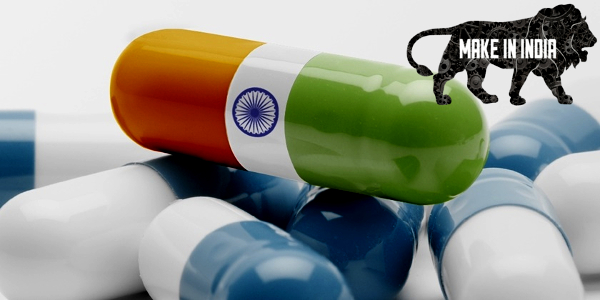
India’s pharmaceutical sector is entering a new stage where the future will be shaped not only by affordable generic medicines, but also by advanced biologics, biosimilars and next-generation therapies. Biopharmaceuticals are becoming central to modern healthcare because they target complex diseases with greater precision and offer new hope in areas such as cancer, autoimmune disorders, rare diseases and chronic illnesses.
India already holds a strong position in the global medicine supply chain. Its reputation as a reliable producer of affordable drugs has helped millions of patients across the world. The next challenge is to move higher in the value chain by building leadership in biologics and biosimilars. This requires research strength, clinical capability, skilled talent, advanced manufacturing and strong regulatory systems.
The government’s Biopharma SHAKTI initiative is an important step in this direction. The initiative aims to support the launch of 100 biologics by 2047, aligning the sector with the larger goals of Viksit Bharat and Swasth Bharat. This target reflects a long-term vision where India becomes a major global hub for high-value biopharmaceutical innovation and production.
Biologics are expected to form a major part of the global prescription drug market in the coming years. This creates a major opportunity for India. The country can use its strengths in science, manufacturing, cost efficiency and scale to make advanced therapies more accessible. In the same way that Indian generic medicines helped reduce treatment costs worldwide, Indian biologics and biosimilars can make complex treatments more affordable for patients.
Several policy and funding initiatives are already supporting this shift. The Promotion of Research and Innovation in Pharma-MedTech sector scheme, the National Biopharma Mission and BIRAC programmes such as the Biotech Ignition Grant, SBIRI and BIPP are helping researchers, startups and companies develop new products. These programmes support innovation from the laboratory stage to industrial manufacturing.
The rise of biopharmaceuticals also opens new opportunities for Indian startups. Young biotech companies can work on novel biologics, cell-based therapies, precision medicine, vaccine platforms and advanced drug delivery systems. With the right ecosystem, India can create a strong pipeline of home-grown discoveries that serve both domestic and global healthcare needs.
Clinical research is another important pillar. Biopharma development depends on strong trial infrastructure, ethical research practices, diverse patient participation and high-quality data. India’s large population, medical talent and hospital network can make the country an important destination for responsible clinical research, provided quality and patient safety remain central.
Manufacturing will be equally important. Biologics are more complex than conventional chemical drugs. They need specialised facilities, strict process control, cold-chain systems and skilled technical teams. Building this capacity will help India reduce dependence on imported high-value therapies and strengthen supply chain resilience.
The sector also has a strategic dimension. Medicines are now part of national resilience. Countries that can discover, develop and manufacture advanced therapies will have stronger health security. India’s investment in biopharma can therefore support public health, economic growth, exports, research jobs and global health diplomacy.
India’s biopharma journey is still developing, but the direction is clear. The country is moving from being a volume leader in affordable medicines to becoming a value leader in advanced healthcare innovation. If industry, government, researchers and hospitals work together, India can become one of the world’s most important centres for biologics and biosimilars.
Biopharmaceuticals are shaping the next era of medicine. For India, this is an opportunity to combine scientific ambition with public health purpose. The aim is not only to produce advanced medicines, but to make them affordable, accessible and globally trusted.
You may also like
-
Ayurveda and Mental Fatigue in the Digital Age: Ancient Wisdom for a Calm and Focused Mind
-
Bharat Biotech’s Nucelion and VeGen Bio Partner to Manufacture Advanced Dual-Target CAR-T Cancer Therapy in India
-
Ayurveda and Anger: How Emotional Excess Affects Physical and Mental Health
-
Ayurveda and Stress: Daily Practices for Mental Balance and Emotional Well-Being
-
Ayurveda and Bowel Routine: Why Regularity Matters for Digestive Health
