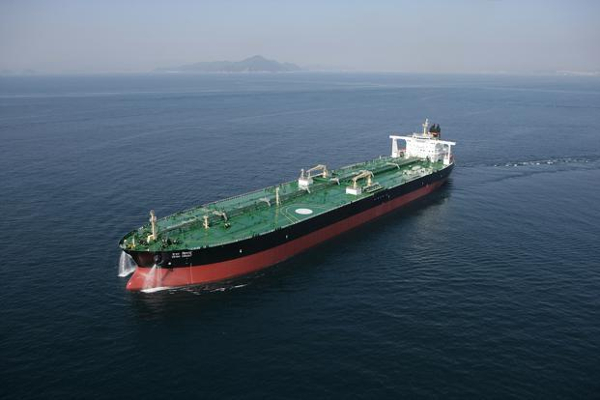
India’s crude oil imports rose in April, showing the continued importance of external energy supplies for the world’s third-largest oil importer and consumer. According to government data from the Petroleum Planning and Analysis Cell, crude oil imports increased by more than 3 percent from March to April and reached 20.08 million metric tonnes. The rise came at a time when global oil markets were under pressure from geopolitical tension, higher prices and uncertainty around shipping routes.
The monthly increase reflects India’s steady refinery demand and the country’s need to maintain sufficient crude availability for transport fuel, industry, agriculture, aviation and household energy needs. Crude oil remains the backbone of India’s energy system because it is refined into petrol, diesel, aviation turbine fuel, LPG components, petrochemical feedstock and several industrial products. Even as India expands renewable energy, electric mobility and domestic exploration, crude imports remain central to economic activity.
The April figure also shows a mixed picture. Imports rose compared with March, but they were lower than the same month last year. This suggests that India’s energy demand is strong, but the import pattern is also being shaped by prices, refinery planning, inventory decisions and global supply conditions. Refiners often adjust purchases based on price movements, freight availability, refining margins and crude grades suitable for their plants.
India’s dependence on imported crude gives every global oil shock a domestic economic impact. When oil prices rise, the pressure appears in the import bill, trade deficit, currency movement, inflation expectations and fuel pricing. This is why crude import data is watched closely by policymakers, refiners, investors and economists. It is not just an energy number. It is a macroeconomic signal.
The rise in crude imports also came against the background of wider pressure on India’s merchandise trade. Higher oil shipments contributed to a larger import bill in April. This matters because oil is one of India’s biggest import items. Even a moderate rise in prices or volumes can widen the trade deficit. A higher trade deficit can put pressure on the current account and the rupee, especially when global financial conditions are tight.
Petroleum product trade showed a different trend. Imports of petroleum products dropped sharply year-on-year, while exports of petroleum products also declined. This points to changing demand and refining dynamics. India is a major refining hub, and its refineries process imported crude for both domestic consumption and export markets. When product exports fall, it can reflect weaker external demand, lower margins, supply-chain changes or a decision to prioritise domestic availability.
The global context is important. Energy markets have faced pressure from conflict-related concerns and shipping disruption risks. The Strait of Hormuz remains one of the world’s most critical oil and gas routes. Any disturbance in this region affects prices, insurance costs, freight movement and supply planning. India, which imports a major share of its crude requirement, has to manage these risks carefully.
Indian refiners have responded by diversifying supplies. They have increased purchases from multiple geographies and used spot tenders to secure crude from different sellers. This strategy reduces dependence on a single source or route. Supply diversification has become a key part of India’s energy security policy. The aim is simple: keep refineries running, maintain fuel availability and reduce vulnerability to external shocks.
India’s energy security challenge has several layers. The first is availability. The country needs enough crude and petroleum products to meet demand. The second is affordability. Oil imports must be managed in a way that limits the shock to consumers, businesses and the government. The third is strategic flexibility. India must preserve the freedom to buy from multiple suppliers based on price, reliability and national interest.
The April import data also underlines the importance of domestic refining strength. India’s large refining network gives it the ability to process different crude grades and respond to market changes. Modern refineries can handle heavier and more complex crude, allowing refiners to buy from a wider supplier base. This improves bargaining power and helps India adapt during periods of global disruption.
At the same time, the data shows why India is pushing for a broader energy transition. Reducing crude import dependence requires a long-term mix of domestic exploration, biofuels, green hydrogen, electric mobility, gas infrastructure, public transport, refinery efficiency and renewable power. No single solution can replace crude imports quickly. The transition will be gradual, but every step that reduces oil intensity strengthens national resilience.
For now, crude oil remains essential to India’s growth story. Rising vehicle ownership, road transport, aviation, construction, agriculture and manufacturing continue to support fuel demand. Diesel remains especially important because it powers trucks, buses, farm equipment and parts of the logistics economy. Any pressure on diesel prices can affect freight costs and inflation across goods and services.
The April crude import rise should therefore be read as both an economic indicator and a strategic reminder. India’s growth requires energy, and a large part of that energy still arrives through global maritime supply chains. The country’s ability to manage crude purchases, diversify suppliers, protect refinery operations and control import costs will remain central to economic stability.
India’s long-term goal is clear: secure enough energy for growth while gradually reducing external vulnerability. The April data shows that this task remains urgent. Crude imports have risen again, global prices remain sensitive to conflict, and petroleum trade continues to influence the wider economy. Energy security is no longer only a petroleum-sector issue. It is a national economic priority.
You may also like
-
Indian Semiconductor Companies Propose New Manufacturing and Chip Design Investments in Madhya Pradesh
-
CSIR-CRRI Partners with Industry to Develop Advanced Indigenous Airport Runway and Pavement Materials
-
Paras Semiconductors Secures 43 Acres in Madhya Pradesh for Proposed ₹6,200 Crore Advanced Chip Packaging Facility
-
Petronet LNG Plans ₹1,200 Crore Joint Venture for Ten Compressed Biogas Plants Across India
-
India Seeks South Korean Shipbuilding Partnerships as Sarbananda Sonowal Begins Four-Day Visit to Busan
