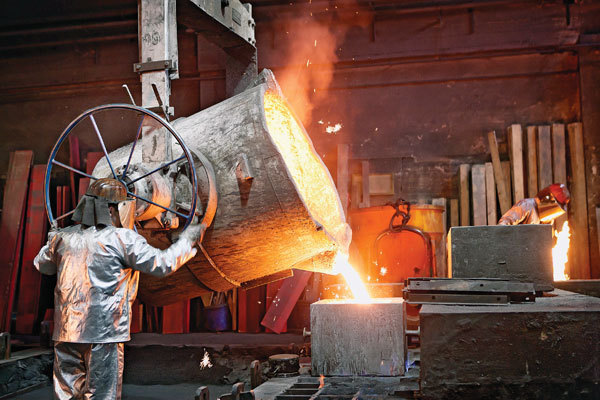
India’s steel sector continued its growth momentum in May 2026, with year-on-year gains across crude steel, finished steel, hot metal, pig iron and consumption. According to provisional Joint Plant Committee data released by the Ministry of Steel, crude steel production reached 14.21 million tonnes in May 2026, registering 2.9 percent year-on-year growth. Finished steel production stood at 13.94 million tonnes, rising 7.7 percent year-on-year, while finished steel consumption reached 14.33 million tonnes, up 9 percent.
The April–May 2026 period also showed steady expansion. Crude steel production reached 28.04 million tonnes, compared with 27.30 million tonnes during April–May 2025. Finished steel production stood at 27.36 million tonnes, growing 6.4 percent over the corresponding period last year. Finished steel consumption also reached 27.36 million tonnes, showing 8.7 percent growth, supported by construction, infrastructure and manufacturing demand.
The trade picture showed a sharp rise in both imports and exports. In May 2026, steel imports stood at 0.69 million tonnes, up 62.5 percent from May 2025, while exports reached 0.51 million tonnes, growing 29.9 percent year-on-year. During April–May 2026, imports stood at 1.37 million tonnes and exports at 0.98 million tonnes, making India a net importer during the period.
India’s capacity expansion remains central to the sector’s long-term strategy. The country’s crude steelmaking capacity reached around 220 MTPA in FY 2025–26, keeping the industry on the path towards the National Steel Policy target of 300 MTPA by 2030. SAIL has approved the expansion of its Bhilai Steel Plant from 6.8 MTPA to 10.2 MTPA, while JSW Steel began construction of its integrated steel plant at Paradip, Odisha, planned for 13.2 MTPA capacity in phases.
The green steel movement is also gaining ground. Under the Ministry of Steel’s Green Steel Initiative, green steel certificates had been issued to 94 producers across 15 states as of 31 May 2026. Certified products include TMT bars, hot-rolled and cold-rolled coils, plates, wire rods and pipes, with many products receiving the highest 5-star rating. This shows growing participation from secondary and mid-sized steel producers in cleaner production practices.
The price and input-cost situation presents a mixed picture. Domestic steel prices declined month-on-month in May 2026 across major categories. TMT and rebar prices fell by around 1.3 percent month-on-month, though they still showed a 4.5 percent year-on-year gain. HR coil and GP sheet prices declined by around 0.2 percent month-on-month. At the same time, raw material costs increased, with NMDC raising domestic iron ore prices by ₹200 per tonne and international coking coal prices rising 2.8 percent month-on-month to $239 per tonne.
The larger meaning of the May 2026 steel data is clear. India’s steel demand remains strongly linked to infrastructure building, manufacturing activity, housing, public works, transport projects and industrial expansion. Rising production shows that domestic mills are responding to demand, while higher imports show that the market is still absorbing additional material from outside. Capacity expansion, green certification and strong consumption together point to a steel sector preparing for both volume growth and cleaner production.
India’s steel industry now stands at an important stage. Demand remains strong, investment momentum continues and the 300 MTPA target gives the sector a clear long-term direction. At the same time, softer steel prices and rising raw material costs can place pressure on producer margins in the near term. The sector’s strength will depend on how effectively it balances expansion, competitiveness, cost control and green transition.
You may also like
-
US Hosts 91% of Overseas Unicorns Built by Founders Who Grew Up in India, Prosus-Dealroom Report Finds
-
India Approves Pioxaniliprole, Indigenous Insecticide Molecule Developed by PI Industries
-
India Overtakes Hong Kong to Become Asia’s Fourth-Largest REIT Market
-
Banaras Langda Aam — Kashi’s Green-Skinned Summer Treasure and the Mango Heritage of the Gangetic Plain
-
ONGC Strikes Gas in Mahanadi Deepwater Basin Off Odisha Under Samudra Manthan Campaign
