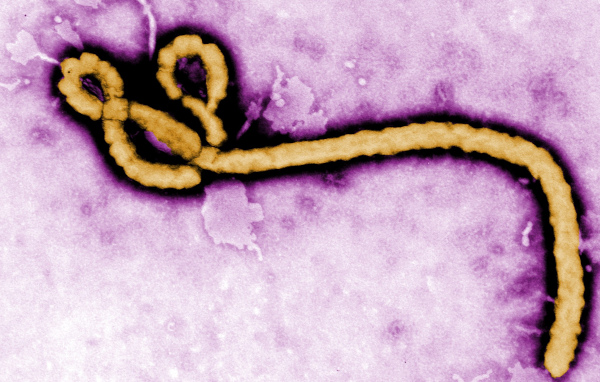
The Government of India has advised Indian citizens to avoid non-essential travel to the Democratic Republic of the Congo, Uganda and South Sudan following the latest Ebola outbreak alerts issued by international health agencies.
The advisory comes after the World Health Organization declared the Ebola outbreak in the Democratic Republic of the Congo and Uganda a Public Health Emergency of International Concern under the International Health Regulations, 2005. The decision was taken on 17 May 2026 in view of the spread of Ebola disease caused by the Bundibugyo virus strain.
The Africa Centres for Disease Control and Prevention has also classified the ongoing outbreak as a Public Health Emergency of Continental Security. The outbreak has affected the Democratic Republic of the Congo and Uganda, while neighbouring countries, including South Sudan, are considered to be at high risk because of cross-border movement and regional transmission concerns.
According to the advisory, the WHO’s Emergency Committee issued temporary recommendations on 22 May 2026 to strengthen disease surveillance at points of entry. These measures are aimed at identifying travellers arriving from areas where Bundibugyo virus detection has been documented, especially those showing unexplained fever or related symptoms. WHO has also advised against travel to areas where the virus has been detected.
Ebola disease is a serious viral haemorrhagic fever. In the present outbreak, the disease is linked to the Bundibugyo strain of the Ebola virus. The Ministry of Health and Family Welfare noted that this strain has a high mortality risk, while WHO has said there is currently no licensed vaccine or specific therapeutic treatment for Bundibugyo virus disease, although early supportive medical care can help save lives.
India has not reported any case of Ebola disease caused by the Bundibugyo virus strain. However, the Government has issued the travel advisory as a precautionary public health measure, taking into account the evolving situation in the affected African countries and the recommendations issued by WHO.
Indian citizens who are already residing in or travelling through the Democratic Republic of the Congo, Uganda and South Sudan have been advised to follow the public health instructions issued by local authorities. They have also been asked to maintain heightened precautions until further notice.
The advisory reflects India’s preventive approach to global health risks. By issuing early guidance, the Government is seeking to reduce exposure risks for Indian nationals abroad while aligning its response with international disease surveillance and travel health protocols.
You may also like
-
Indian MedTech Startup Periwinkle Takes Rapid AI Cervical Cancer Screening to BRICS
-
WHO Chief Praises India’s Gains in Maternal, Child Health and NCD Care
-
Ayurvedic Foods for Liver Health and Digestion
-
Ayurvedic Diet for Joint Health and Stiffness
-
Ayurvedic Breakfasts: What Traditional Ayurveda Suggests for the First Meal of the Day
