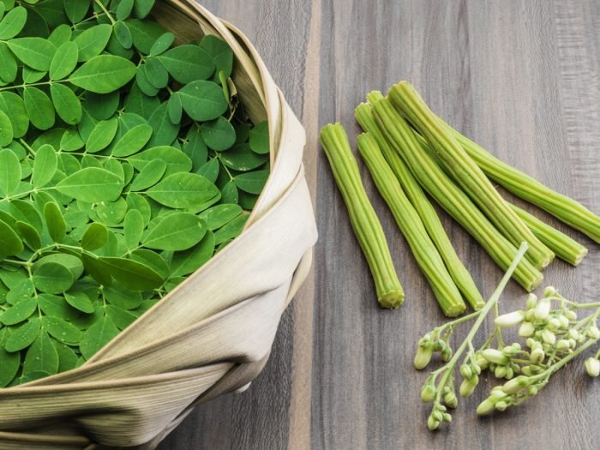
Few medicinal plants demonstrate the relationship between food and medicine as clearly as Shigru. Known throughout India as the drumstick tree or moringa, Moringa oleifera provides leaves, flowers and long green pods that have been part of Indian cooking for generations. Ayurveda, however, looks beyond its nutritional value and recognises Shigru as a potent Dravya with distinctive effects on digestion, Kapha, Vata and inflammatory conditions.
The accepted botanical name is Moringa oleifera Lam., and the plant belongs to the family Moringaceae. Royal Botanic Gardens, Kew recognises the species as native from northeastern Pakistan to northwestern India and records its extensive use for food and medicine.
In Sanskrit, the plant is best known as Shigru, while Shobhanjana is another traditional name associated with it. It is commonly called drumstick or moringa in English, Murungai in Tamil and Muringa or Murinja in Malayalam. Government medicinal-plant records maintained by CCRAS identify Moringa oleifera as Shigru and document its root, bark and fruit among traditionally used parts.
Shigru in Ayurveda
Shigru has a strong identity within Ayurvedic Dravyaguna because it possesses qualities that are almost the opposite of its modern reputation as a mild nutritional supplement. Ayurveda describes the medicinal plant as sharp, penetrating and heating, particularly when its stronger parts are used.
Ayurvedic teaching references describe Shigru as predominantly Katu Rasa, or pungent in taste. Its qualities include Laghu, meaning light, Ruksha, meaning dry, Tikshna, meaning penetrating, and Sara, indicating a tendency to promote movement. Its Virya is Ushna, or heating, while its Vipaka is Katu. These properties explain its traditional classification as a Vata-Kapha Shamaka herb.
This Ayurvedic profile applies primarily to Shigru as a medicinal Dravya. The tender leaves and young drumstick pods used as vegetables are considerably gentler than concentrated preparations of the bark, root or seed.
Shigru and the Doshas
Shigru’s strongest traditional effect is on Kapha and Vata. Its heat, pungency, lightness and penetrating nature help counter the heaviness, coldness and stagnation associated with aggravated Kapha. These same qualities can also address certain Vata conditions where obstruction and accumulated Kapha contribute to pain or restricted movement.
The plant requires greater caution when Pitta is already aggravated. Its Ushna and Tikshna qualities can increase heat when medicinal quantities are used excessively. This is one reason Ayurveda does not treat Shigru as a universal daily remedy simply because moringa leaves have become popular as a modern health food.
The distinction between food and concentrated medicine remains important. A bowl of cooked drumstick leaves in a meal does not produce the same physiological exposure as a strong root, bark or seed preparation.
Shigru and Agni
One of the clearest traditional applications of Shigru involves Agni, the digestive and metabolic principle of Ayurveda. Its Katu Rasa and Tikshna quality give it a stimulating character that traditionally supports appetite and digestion when heaviness and sluggishness dominate.
Ayurvedic Dravyaguna descriptions therefore associate Shigru with Deepana and Pachana, the stimulation of digestive capacity and the processing of incompletely digested material. Its pungency also explains its traditional use in conditions associated with abdominal heaviness, poor appetite and Kapha-dominant digestion.
This does not mean that more Shigru necessarily produces better digestion. Someone with strong Pitta, gastritis, burning sensations or pronounced acidity may respond poorly to excessive quantities of heating preparations.
A Traditional Herb for Swelling and Joint Conditions
Shigru has a long Ayurvedic association with Shotha, or swelling, and painful conditions involving restricted movement. Its heating and penetrating qualities make it particularly appropriate in traditional situations where Kapha and Vata combine to produce heaviness, stiffness and discomfort.
CCRAS includes Shigru among herbs mentioned in its public educational material concerning osteoarthritis. This demonstrates the plant’s established position within Ayurvedic approaches to joint disorders, although such references should not be interpreted as proof that moringa alone treats osteoarthritis.
Modern research has also examined the anti-inflammatory properties of Moringa oleifera. Laboratory and animal studies have identified several compounds that influence inflammatory pathways, but human clinical evidence remains much less extensive than experimental evidence.
Shigru should therefore be understood as part of a broader Ayurvedic therapeutic approach. Persistent joint swelling or pain requires proper assessment because arthritis can arise from degeneration, autoimmune disease, injury, infection or other causes.
Shigru as an Everyday Indian Vegetable
The medicinal personality of Shigru is only half of its story. Across India, particularly in the southern states, the long immature pods known as drumsticks are an ordinary part of the diet.
Drumstick pods appear in sambar, curries, vegetable preparations and regional soups. The tender leaves are cooked as greens, while the flowers also enter traditional dishes in several regions.
This culinary use demonstrates an important Ayurvedic idea. A plant does not need to be administered as a tablet or extract before it can influence health. Diet itself is one of the foundations of maintaining Dosha balance and proper tissue nourishment.
At the same time, the nutritional character of a cooked Shigru vegetable should not be confused with the stronger pharmacological actions attributed to its root bark or concentrated extracts.
Moringa Leaves as Nutrient-Rich Food
Modern nutritional science has created renewed interest in Shigru because its leaves contain a notable mixture of nutrients. Research reviews describe moringa leaves as sources of protein, carotenoids, vitamin C and minerals such as calcium and iron, although exact levels vary according to soil, climate, maturity and processing.
Dried leaf powder naturally differs from fresh leaves because removing water concentrates many nutrients by weight. This is important when popular comparisons claim that moringa contains many times more nutrients than milk, oranges or carrots. Such comparisons often place dry leaf powder beside fresh foods and can therefore create a misleading impression.
Moringa is better appreciated as a nutrient-dense leafy food than through exaggerated numerical comparisons. Its true value comes from combining several nutrients in a plant that grows readily in hot climates and can be incorporated into ordinary meals.
Shigru and Traditional Nutritional Support
The nutritional qualities of moringa have attracted attention in programmes concerned with food security and dietary supplementation. CCRAS has also referenced Moringa oleifera in educational material dealing with nutrition and undernutrition.
Leaves can contribute protein, carotenoids and micronutrients to the diet, particularly where dietary diversity is limited. However, no single leaf powder can correct every nutritional deficiency because nutritional status depends on total food intake, absorption, infections, underlying disease and many other factors.
Iron deficiency, for example, should not automatically be treated by consuming moringa powder. Anaemia has many causes, and laboratory testing may be necessary to determine whether iron, vitamin B12, folate or another factor is responsible.
Leaves, Pods, Flowers, Seeds and Bark
One of the remarkable features of Shigru is the number of plant parts that have been used. Traditional medicinal records employ the root, bark, fruit, leaves and seeds for different purposes, while everyday cuisine relies mainly on the leaves and immature pods.
These parts are not interchangeable. The tender leaf used in a vegetable dish is nutritionally and pharmacologically different from root bark, seed oil or concentrated seed extract.
This distinction becomes especially important for safety. Modern moringa marketing sometimes treats the entire tree as though every part can be consumed with equal freedom, while traditional medicine uses stronger plant parts more selectively.
Shigru Leaves
The leaves are now the most widely marketed part of moringa. They may be eaten fresh, cooked as a vegetable or dried into powder.
From a nutritional perspective, moringa leaves contain protein, carotenoids, phenolic compounds and several minerals. Scientific reviews have also identified flavonoids and other antioxidant compounds that may contribute to the biological activity observed in experimental studies.
Cooking the leaves as part of normal food remains different from consuming concentrated capsules or extracts. For most healthy adults, traditional culinary use has a much longer history than high-dose supplementation.
The Drumstick Pod
The long immature fruit is the part that gives the plant its familiar English name. Drumstick pods are especially common in South Indian cooking and contribute a distinctive flavour and soft pulp when cooked.
Ayurveda’s food tradition makes practical use of the fruit rather than treating every part of Shigru as a powerful medicine. CCRAS medicinal-plant records also specifically identify the fruit among the useful parts of Moringa oleifera.
The pods work particularly well within mixed meals where spices, pulses, vegetables and fats alter the overall digestive effect. This reflects the Ayurvedic principle that the action of a food depends not only on the ingredient but also on how it is prepared and combined.
Shigru Seeds and Seed Oil
Moringa seeds contain oil traditionally known as ben oil. The oil has been used historically for several practical and cosmetic purposes, while the seeds themselves contain compounds that have attracted scientific interest.
The seeds also possess water-coagulating properties, which have led researchers to examine moringa seed proteins for water purification. This environmental application is separate from their medicinal use and demonstrates the extraordinary versatility of the tree.
Medicinal use of seeds should be more cautious than ordinary consumption of the leaves or pods. Concentrated seed preparations should not be assumed to carry the same safety profile as food.
Shigru Root and Bark
The root and bark represent some of the more potent traditional parts of Shigru. CCRAS records both among the medicinally used portions of the plant, while Ayurvedic references describe strong, heating actions associated with them.
These stronger parts are not suitable for casual self-medication. Traditional use depended on indication, preparation and professional judgement rather than the assumption that every part of a medicinal tree could be consumed freely.
The modern popularity of moringa leaf powder should therefore not encourage people to prepare root or bark remedies at home. Food use and medicinal use must remain clearly separated.
Modern Research on Blood Sugar
Moringa has received considerable scientific attention for its possible effects on glucose metabolism. Experimental studies suggest that leaf compounds may influence oxidative stress, glucose absorption and insulin-related pathways.
However, human evidence remains limited and inconsistent. Reviews examining moringa’s metabolic effects repeatedly note that many encouraging findings come from laboratory or animal experiments rather than large, well-designed clinical trials.
People with diabetes should therefore not replace prescribed treatment with moringa powder or capsules. Concentrated supplements may also alter glucose levels when combined with medication, making professional guidance advisable.
Moringa and Cardiovascular Research
Researchers have also studied moringa for possible effects on cholesterol, oxidative stress and cardiovascular risk factors. Flavonoids, phenolic acids, glucosinolates and isothiocyanates are among the compounds proposed to contribute to these biological effects.
The findings are scientifically interesting but do not establish moringa as a treatment for hypertension or cardiovascular disease. The strongest evidence continues to support proven measures such as appropriate diet, exercise, weight management and prescribed medication where necessary.
Ayurvedic and modern nutritional use can complement responsible healthcare. It should not become a reason to abandon treatments with established clinical benefit.
Shigru and Breastfeeding Research
Moringa leaves have a widespread traditional reputation as a food for women after childbirth. This has led researchers to investigate whether leaf preparations can influence breast-milk production.
Randomised trials and later systematic reviews have reported possible increases in milk volume in some groups of breastfeeding mothers. However, study quality, dosage, preparation and outcomes have varied, and researchers continue to call for stronger evidence.
A 2023 review examining moringa supplementation during pregnancy and breastfeeding found that the available studies mainly involved leaf powder or leaf extracts. The authors reported no contraindications in the studies they reviewed, but they also noted variation and uncertainty across the evidence base.
This distinction is crucial because evidence concerning moringa leaves cannot automatically be extended to medicinal quantities of the root, bark or seeds.
Shigru for Kapha-Dominant Respiratory Conditions
Ayurvedic Dravyaguna traditionally associates Shigru with Kapha reduction. Its pungent, heating and penetrating nature makes this understandable within Ayurvedic theory.
Traditional descriptions therefore include its use in Kapha-dominant respiratory conditions where heaviness and mucus predominate. These traditional indications do not mean that moringa can treat pneumonia, asthma attacks or serious respiratory infections.
A persistent cough, breathlessness, fever or low oxygen level requires medical assessment. Herbal foods may support general nutrition, but they cannot substitute for appropriate respiratory care.
Shigru and Krimi
Ayurvedic references also associate Shigru with Krimi, a broad traditional category that can include intestinal organisms and other pathological entities. Its Katu, Tikshna and Ushna qualities form the classical rationale for this application.
Modern laboratory studies have found antimicrobial activity in several moringa extracts. Yet antimicrobial activity in a test tube does not prove that eating moringa leaves can eliminate a human intestinal infection.
Suspected parasitic or bacterial disease should therefore receive appropriate diagnosis and treatment rather than relying on Shigru alone.
Shigru and Skin Applications
Traditional Ayurveda has used pastes prepared from parts of Shigru in selected external applications. Its heating and penetrating character explains why such preparations were historically associated with swelling and certain Kapha-dominant skin conditions.
Modern experimental studies have investigated antioxidant, antimicrobial and wound-related properties of moringa extracts. Most of this evidence remains preclinical, and concentrated preparations can irritate sensitive skin.
Fresh root or bark paste should therefore not be applied casually to open wounds. Serious, infected or non-healing wounds require professional treatment.
Shigru and Eye-Related Traditional Uses
Ayurvedic teaching material also lists Shigru in connection with Netraroga, or disorders of the eyes. Traditional references describe specialised preparations involving the leaves or seeds.
Such descriptions belong to professionally administered Ayurvedic medicine and should not be copied as household remedies. Putting plant juice, powders or homemade extracts into the eyes can cause irritation, contamination or injury.
Traditional ophthalmic therapies require appropriate preparation and professional supervision. This is an area where historical use should never be converted directly into self-treatment.
The Ayurvedic Importance of Preparation
Shigru demonstrates the Ayurvedic concept of Samskara, or transformation through preparation. Fresh leaves cooked as vegetables have a different practical effect from dried leaf powder, decocted bark, seed oil or concentrated extracts.
Ayurveda also considers Matra, the quantity consumed. A moderate serving of cooked Shigru leaves within a meal may be appropriate where a concentrated medicinal preparation would be excessive.
These principles help reconcile two seemingly different descriptions of moringa. It can simultaneously be a nourishing food and a sharp, heating medicinal plant because its action changes according to the part used, preparation, dose and individual.
Growing Shigru in India
Moringa oleifera is well adapted to warm and seasonally dry environments. Kew describes it as a tree of seasonally dry tropical regions and places its native range within the northwestern part of the Indian subcontinent.
The plant grows quickly and can be repeatedly pruned to encourage new leaves and keep pods within reach. Its ability to produce edible leaves and fruits under hot conditions has contributed to its spread throughout tropical regions.
In many Indian households, a drumstick tree therefore functions as both a food plant and a small household medicinal resource. Few trees provide such a useful combination of vegetables, leaves, flowers, seeds and traditional remedies.
A Plant Where Ayurveda and Nutrition Meet
The modern world frequently describes moringa as a “superfood.” Ayurveda offers a more nuanced understanding.
Shigru is certainly nutritionally valuable, particularly through its leaves and pods. However, Ayurveda also emphasises that the plant is pungent, heating and penetrating and therefore may not suit every constitution in medicinal quantities.
This is a useful corrective to modern health marketing. A plant can contain vitamins, minerals and antioxidants while still possessing strong physiological qualities that require appropriate use.
Who Should Use Shigru Carefully?
Ordinary drumstick pods and cooked leaves are established foods in India. Greater caution is appropriate with concentrated powders, extracts, capsules and preparations using the root, bark or seeds.
People taking medicines for diabetes or blood pressure should discuss concentrated moringa supplements with their healthcare professional because experimental and limited clinical research suggests possible metabolic effects.
Pregnancy requires particular care with medicinal preparations. Human research has examined leaf supplementation during pregnancy and breastfeeding without reporting clear contraindications in the studies reviewed, but these findings concern particular leaf products and should not be extended to root, bark or other strong preparations.
People with pronounced Pitta symptoms, persistent acidity or burning sensations should also be cautious with strong Shigru preparations because Ayurveda describes the drug as Ushna and Tikshna.
Shigru in the Modern Household
For most people, one of the most sensible ways to appreciate Shigru is also the oldest: as food. Drumstick pods in sambar, cooked moringa leaves and other traditional dishes provide nutrition within the context of a complete meal.
This approach avoids the assumption that every nutritious plant must be converted into capsules or consumed in concentrated quantities. Ayurveda repeatedly reminds us that health depends on digestion and suitability, not simply on collecting the largest possible number of “superfoods.”
Shigru is valuable because it can move naturally between the kitchen and the Ayurvedic pharmacy. The skill lies in knowing where food ends and medicine begins.
Conclusion
Shigru, or Moringa oleifera, is one of India’s most versatile examples of an Ahara-Aushadha, a substance that can function as both food and medicine. Its pods and leaves nourish millions of ordinary meals, while its root, bark, seeds and other parts have occupied specialised places in Ayurvedic therapeutics for generations.
Ayurveda describes Shigru as predominantly pungent, light, dry, sharp and heating. These qualities explain its traditional use for Kapha-Vata conditions involving heaviness, sluggish digestion, swelling and restricted movement.
Modern science adds another dimension. Moringa leaves contain valuable nutrients and a wide range of phytochemicals, while researchers continue to investigate possible metabolic, anti-inflammatory and nutritional effects. Much of the pharmacological evidence, however, remains experimental or preliminary, and stronger human trials are still needed.
Shigru therefore deserves neither exaggerated claims nor dismissal as an ordinary vegetable. Its real importance lies in the extraordinary bridge it forms between India’s kitchen, Ayurvedic pharmacology and modern nutritional research.
The drumstick tree also carries an important Ayurvedic lesson. A medicinal plant cannot be understood through a single nutrient, a single chemical compound or a fashionable label. Its effect depends on Rasa, Guna, Virya, the part used, preparation, quantity and the constitution of the person receiving it.
Health Disclaimer
This article is intended only for educational and informational purposes. It describes traditional Ayurvedic knowledge and published scientific research and should not be interpreted as medical advice, diagnosis or treatment.
Normal culinary consumption of drumstick pods and moringa leaves is different from using concentrated powders, extracts, roots, bark, seeds or capsules medicinally. Anyone who is pregnant, breastfeeding, taking prescription medication or managing a chronic medical condition should consult an appropriate healthcare professional before using concentrated Shigru preparations.
Do not replace prescribed treatment for diabetes, hypertension, arthritis, infection, anaemia or any other disease with moringa products. Persistent or severe symptoms require proper medical evaluation.
Dharmakshethra assumes no responsibility for self-medication or the inappropriate medicinal use of herbs described for educational purposes.
References
The botanical identity and native range of Moringa oleifera are supported by Royal Botanic Gardens, Kew — Plants of the World Online, which recognises Moringa oleifera Lam. as an accepted species within the Moringaceae.
The Central Council for Research in Ayurvedic Sciences, Ministry of Ayush, records Moringa oleifera as Shigru and documents traditional medicinal parts including the root, bark and fruit. CCRAS educational material also lists Shigru within Ayurvedic information concerning osteoarthritis and nutrition.
Ayurvedic Rasa Panchaka, Dosha action and traditional indications have been cross-checked against the Dravyaguna teaching material of Ahalia Ayurveda Medical College, which describes Shigru as Katu, Laghu, Ruksha, Tikshna and Ushna with Vata-Kapha Shamaka action.
Modern pharmacological and nutritional discussion is supported by a comprehensive peer-reviewed review of Moringa oleifera covering phytochemistry, pharmacology, clinical research and toxicological aspects.
Research concerning pregnancy and breastfeeding has been interpreted cautiously from a peer-reviewed review of human studies and randomised clinical research examining moringa leaf preparations and lactation.
You may also like
-
Bharat Biotech’s Nucelion and VeGen Bio Partner to Manufacture Advanced Dual-Target CAR-T Cancer Therapy in India
-
Ayurveda and Anger: How Emotional Excess Affects Physical and Mental Health
-
Ayurveda and Stress: Daily Practices for Mental Balance and Emotional Well-Being
-
Ayurveda and Bowel Routine: Why Regularity Matters for Digestive Health
-
Why Ayurveda Warns Against Suppressing Hunger, Thirst and Sleep
:%20Ayurveda’s%20Drumstick%20Tree%20of%20Nutrition,%20Digestion%20and%20Vata-Kapha%20Balance)