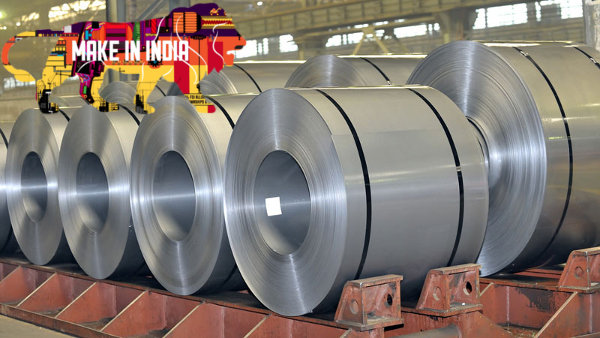
National Aluminium Company Limited (NALCO), a Navratna Central Public Sector Enterprise under the Ministry of Mines, is advancing its ambitious ₹30,000 crore aluminium smelter expansion project at Anugul in Odisha, with key statutory approvals, international technology partnerships and supporting power infrastructure arrangements progressing towards implementation. The brownfield expansion will add 0.5 million tonnes per annum (MTPA) of aluminium smelting capacity, increasing the company’s total capacity from approximately 0.46 MTPA to nearly one million tonnes annually.
In an official announcement issued on November 4, NALCO confirmed that the project has secured several important enabling arrangements, including a technology licensing agreement with Emirates Global Aluminium (EGA) and a partnership with NLC India Limited for developing captive power generation infrastructure. The company is also advancing land acquisition and rehabilitation-related procedures to facilitate implementation of the proposed smelter expansion.
Targeted for commissioning during 2030–31, the project represents one of NALCO’s most significant capacity expansion initiatives and forms part of its strategy to strengthen India’s domestic aluminium manufacturing capabilities. The investment is expected to support industrial development in Odisha while creating opportunities for downstream manufacturing, engineering industries and employment generation.
Aluminium Smelting Capacity to Nearly Double by 2031
The proposed expansion will be developed at NALCO’s existing aluminium smelting complex in Anugul, one of India’s important centres for integrated aluminium manufacturing.
The company currently operates smelting facilities with an annual production capacity of approximately 460,000 tonnes. The proposed addition of 500,000 tonnes will increase the installed capacity to approximately 960,000 tonnes, bringing NALCO close to the one-million-tonne annual production milestone.
The project will be developed as a brownfield expansion, allowing NALCO to benefit from its established industrial infrastructure, technical expertise and existing operational ecosystem. The additional production capacity will strengthen the company’s position in India’s aluminium industry while expanding its ability to supply metal to domestic manufacturing and industrial consumers.
Aluminium is a strategically important industrial material because of its lightweight properties, corrosion resistance, electrical conductivity and extensive recyclability. It is widely used in power transmission, transportation, construction, renewable energy systems, defence equipment, aerospace engineering and industrial machinery.
The proposed expansion is particularly relevant as India’s manufacturing sector increases its consumption of aluminium in electric vehicles, electrical infrastructure, advanced engineering applications and other industries requiring lightweight, high-performance materials.
NALCO Partners Emirates Global Aluminium for Advanced Smelting Technology
A major component of the expansion programme is NALCO’s technology licensing agreement with Emirates Global Aluminium, signed in Dubai on September 7, 2026.
Under the agreement, EGA will provide its proprietary DX+ Ultra aluminium smelting technology, along with the technical know-how, engineering designs and specialised information required for implementing the new production facilities.
The technology licensing arrangement also includes technical assistance during different stages of project implementation, enabling NALCO to incorporate established international smelting technologies into its expanded manufacturing infrastructure.
DX+ Ultra is a high-amperage aluminium smelting technology developed to support improved productivity and energy efficiency. Its adoption is intended to help NALCO establish an efficient production system while optimising capital expenditure and operating costs.
The agreement represents an important example of international industrial technology cooperation supporting India’s domestic manufacturing expansion. By deploying advanced smelting technology at Anugul, NALCO aims to strengthen the competitiveness of its aluminium production operations while improving the efficiency of the expanded facility.
The partnership also reflects the growing importance of technological modernisation in the aluminium industry, where electricity consumption, operational efficiency and production costs are central considerations.
NALCO and NLC India Plan 1,080 MW Captive Power Plant
Reliable electricity supply is essential for aluminium smelting, which requires substantial and continuous power to operate electrolytic reduction facilities.
NALCO estimates that the proposed 0.5 MTPA expansion will require approximately 1,100 MW of additional electricity capacity. To address this requirement, the company has partnered with NLC India Limited to establish a 50:50 joint venture for developing a dedicated captive thermal power plant.
The proposed power project will comprise four generating units of 270 MW each, providing a combined installed capacity of 1,080 MW.
The arrangement brings together two major Indian public-sector enterprises with complementary capabilities. NALCO contributes its experience in aluminium manufacturing and integrated industrial operations, while NLC India possesses established expertise in thermal power generation, fuel management and large-scale energy infrastructure.
The proposed captive power facility is intended to provide dependable electricity for the expanded smelter, supporting sustained production and operational stability.
Integration of power generation with aluminium manufacturing is an established industrial model because interruptions in electricity supply can significantly affect smelter operations. The planned power infrastructure is therefore an important component of NALCO’s broader expansion strategy.
Renewable Energy Integration Forms Part of Expansion Strategy
Alongside the proposed captive thermal power plant, NALCO is examining the integration of 200–250 MW of renewable energy capacity into the expansion project’s energy ecosystem.
The initiative forms part of the company’s efforts to improve energy sustainability and increase the contribution of cleaner electricity sources to its industrial operations.
Renewable energy integration is becoming increasingly important in aluminium manufacturing because the sector’s environmental performance is strongly influenced by the sources of electricity used during production.
The planned renewable capacity could complement the captive power infrastructure while contributing to NALCO’s longer-term energy transition objectives.
The company has not yet announced that the renewable energy capacity has been commissioned. Its inclusion in the proposed project demonstrates NALCO’s intention to incorporate additional cleaner-energy generation into the development of its future aluminium manufacturing facilities.
Land Acquisition and Rehabilitation Process Moves Forward
NALCO has also reported progress in addressing the land requirements associated with the proposed Anugul smelter expansion.
A meeting of the Rehabilitation and Peripheral Development Advisory Committee was recently held to facilitate land acquisition and accelerate the resolution of compensation, rehabilitation and related administrative matters.
The committee’s involvement is intended to support coordination between the company, relevant government departments and affected communities as the project moves through its preparatory stages.
Land availability is an essential requirement for establishing the additional smelting facilities, supporting infrastructure and associated industrial services. The ongoing administrative process is therefore an important part of preparing the project for construction.
NALCO has emphasised that the expansion is being pursued with the support of the Government of Odisha and the Ministry of Mines, reflecting the project’s importance for regional industrial development and national aluminium production capacity.
Damanjodi Alumina Refinery Expansion Strengthens Raw Material Supply
The Anugul smelter expansion is closely associated with NALCO’s ongoing Fifth Stream Alumina Refinery Project at Damanjodi in Odisha.
Alumina, produced by refining bauxite, is the principal raw material used in primary aluminium smelting. Increasing aluminium production therefore requires corresponding arrangements to ensure sufficient alumina availability.
NALCO’s Damanjodi refinery expansion is intended to increase its alumina processing capacity and strengthen the raw material supply chain supporting the company’s downstream smelting operations.
The integrated development of refining and smelting infrastructure allows NALCO to capture greater value from domestically available mineral resources by converting bauxite into alumina and subsequently into finished aluminium metal.
The company expects the expanded refinery to generate additional alumina capacity beyond the requirements of the proposed Anugul smelter. Surplus production could initially support exports while creating opportunities for further domestic aluminium manufacturing investments.
This approach reflects NALCO’s longer-term objective of expanding value addition within India instead of relying primarily on the sale of intermediate mineral products.
NALCO Evaluates Additional Greenfield Aluminium Smelter
Beyond the Anugul brownfield expansion, NALCO is also examining the possibility of establishing another aluminium smelter with an annual capacity of approximately 0.5 million tonnes at a suitable location in India.
The proposed greenfield project remains at the evaluation stage, with the company exploring potential locations and future industrial requirements.
The additional facility would provide an avenue for converting surplus alumina from NALCO’s expanding refinery operations into finished aluminium within the domestic economy.
Such an investment could further increase India’s aluminium production capacity while encouraging additional development of supporting industries, logistics infrastructure and downstream manufacturing facilities.
The proposal also demonstrates NALCO’s intention to pursue capacity expansion beyond its existing industrial complexes, building upon its integrated mineral extraction, refining and smelting capabilities.
Odisha Set to Benefit from Major Industrial Investment
The ₹30,000 crore expansion programme is expected to contribute to Odisha’s industrial development through investment in manufacturing infrastructure, energy facilities and supporting services.
The construction and subsequent operation of the expanded aluminium complex could create opportunities for engineering contractors, equipment manufacturers, industrial service providers, logistics companies and skilled workers.
The project is also expected to strengthen the regional ecosystem of downstream and ancillary industries involved in aluminium fabrication, component manufacturing and specialised engineering applications.
NALCO has identified employment generation, skill development and industrial diversification as important benefits associated with its expansion initiatives.
The scale of the investment reinforces Odisha’s position as a significant centre for mineral-based industrial development, supported by its bauxite resources, established aluminium manufacturing facilities and expanding industrial infrastructure.
The proposed expansion is also aligned with national efforts to strengthen domestic manufacturing and increase the value generated from India’s mineral resources.
Expansion Supports India’s Aluminium Manufacturing Ambitions
India’s growing requirements for aluminium are closely connected with the expansion of infrastructure, electrical networks, transportation systems and industrial manufacturing.
The metal is increasingly relevant to emerging technologies, including electric mobility, renewable energy infrastructure, high-efficiency power transmission systems and advanced manufacturing applications.
NALCO’s planned increase in smelting capacity will support the availability of domestically manufactured primary aluminium for these industries while strengthening the country’s integrated aluminium production ecosystem.
The company’s collaboration with Emirates Global Aluminium for advanced smelting technology and NLC India for captive power generation illustrates the coordinated industrial investment required to expand production in an energy-intensive manufacturing sector.
Together with the Damanjodi refinery expansion and the proposed greenfield smelter, the Anugul project forms part of a broader programme aimed at increasing NALCO’s production capacity, technological capabilities and participation in India’s industrial development.
The company’s announcement on November 4, 2026, marks an important step in the progression of the ₹30,000 crore investment, with key technology, power and administrative arrangements being advanced ahead of the targeted commissioning period of 2030–31.
By expanding its aluminium smelting capacity towards one million tonnes annually, NALCO is strengthening the foundations for greater domestic metal production, industrial value addition and long-term manufacturing growth, contributing to India’s objectives under Make in India and Atmanirbhar Bharat.
You may also like
-
Indian Fintech Startup Decentro Launches Advanced UPI Soundboxes with Dynamic QR and Contactless Payment Capabilities
-
OneStack Enables Indian Cooperative Banks to Access UPI Network Directly Through Indigenous Banking Technology
-
IIT Bombay-Incubated Peppermint Robotics Raises ₹100 Crore to Expand Indigenous Robot Manufacturing and Global Operations
-
Tata Power Commissions 300 MW Solar Project in Karnataka, Expands Renewable Energy Portfolio to 12 GW
-
IIT Gandhinagar Startup Cellegant Raises ₹2.61 Crore to Develop Indigenous Hydrogen-Powered Drones
