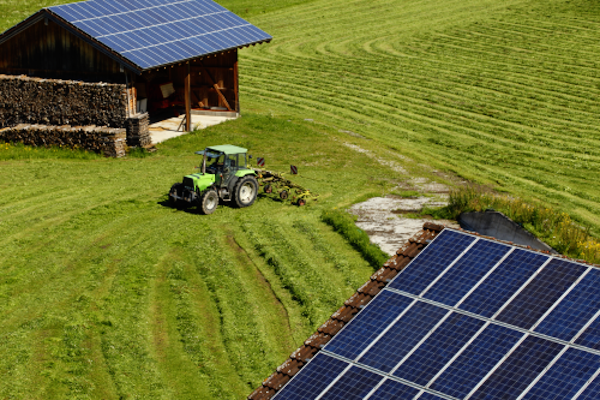
India’s installed solar power capacity has risen to nearly 165 GW, marking one of the most dramatic expansions in the country’s electricity sector over the past decade. From only 2.8 GW in 2014, installed solar capacity had reached 164.59 GW by 31 July 2026, reflecting sustained growth across utility-scale solar, rooftop systems and other distributed solar projects.
Alongside large solar parks, residential rooftop generation has emerged as an increasingly important part of India’s energy transition. The PM Surya Ghar: Muft Bijli Yojana has now reached more than 51 lakh households and has created a nationwide network of household solar installations, local technicians and clean-energy service providers.
Solar Capacity Expands Nearly Sixty-Fold
India’s solar capacity has grown almost sixty-fold from its 2014 level. By the end of July 2026, installed solar capacity stood at 164.59 GW, making solar the largest individual component of the country’s renewable-energy portfolio.
The expansion has been driven by a combination of large grid-connected solar projects, solar parks, decentralised systems and rapidly growing rooftop installations. Solar power has consequently become one of the central technologies supporting India’s wider shift towards non-fossil electricity generation.
PM Surya Ghar Reaches More Than 51 Lakh Families
The residential rooftop segment has expanded rapidly under the PM Surya Ghar: Muft Bijli Yojana. Official figures showed that 51.58 lakh households were benefiting from the programme by 12 August 2026.
The pace of deployment represents a major change in India’s rooftop solar market. Before the launch of the scheme, residential rooftop installations had grown relatively slowly. Under PM Surya Ghar, installations have accelerated as subsidies, financing, digital applications and vendor networks have been brought together under a national programme.
14.8 GW Commissioned Under PM Surya Ghar
By August 2026, around 14.8 GW of rooftop solar capacity had been commissioned under PM Surya Ghar. This represents a substantial distributed generation base spread across millions of individual homes rather than concentrated in a limited number of large solar farms.
Residential rooftop systems allow households to generate electricity close to the point where it is consumed. During daylight hours, solar generation can offset grid electricity consumption, while eligible systems can export surplus electricity depending on state-level regulations and metering arrangements.
This distributed model adds a new layer to India’s electricity system by turning individual consumers into small-scale electricity producers.
Nearly 19 Lakh Households Receiving Zero Electricity Bills
Reducing household electricity expenditure is one of the principal objectives of PM Surya Ghar. By August 2026, nearly 19 lakh participating households were receiving zero electricity bills.
The Central Government has committed ₹75,021 crore to the programme, which ultimately targets rooftop solar installations across one crore households. By August, around ₹28,024 crore in subsidy had already been transferred to beneficiaries.
The subsidy structure is intended to reduce the upfront financial burden of installing residential rooftop systems while allowing households to benefit from lower electricity purchases over the life of the system.
Concessional Loans Expand Access to Rooftop Solar
Financing has become another important element of the programme. More than 21 lakh applicants had received sanction for concessional loans by August 2026, while millions of installations were being supported through a combination of household investment, government subsidy and institutional financing.
Integration with the Jan Samarth platform has helped simplify the lending process and reduce paperwork for eligible households. This has made rooftop solar more accessible to families that may not be able to meet the entire installation cost through upfront payment.
The financing mechanism is particularly important because rooftop solar requires an initial capital investment even though the long-term economic benefit comes through lower electricity expenditure.
A Nationwide Solar Installation Ecosystem Emerges
The rapid expansion of residential solar has also created a much larger installation and maintenance industry. More than 34,000 vendors had registered under PM Surya Ghar by August 2026, with nearly 30,000 actively participating in the programme.
More than 2.3 lakh people had also received training through capacity-building initiatives associated with the rooftop solar ecosystem. The expansion is creating opportunities for electricians, solar installers, maintenance technicians, system designers and local entrepreneurs.
Residential solar is therefore becoming more than an electricity-generation programme. It is also supporting the emergence of a decentralised clean-energy services industry across cities, towns and rural areas.
Gujarat Remains a Major Rooftop Solar Market
Gujarat continues to be one of the leading states in residential solar deployment. The state had developed rooftop solar programmes before the national rollout of PM Surya Ghar and has remained an important centre of household solar adoption.
The programme has also supported local entrepreneurship and technical employment. Beneficiaries have reported lower electricity expenditure, while the growth of rooftop systems has created demand for installation, electrical work, servicing and maintenance.
Gujarat’s experience demonstrates how rooftop solar can generate benefits beyond power generation by supporting local technical skills and small businesses.
From Solar Parks to Millions of Rooftops
India’s first major phase of solar expansion was dominated by large solar farms and grid-connected projects. PM Surya Ghar is creating a second layer of the solar transition by distributing generation capacity across millions of individual households.
Large solar projects will continue to supply significant volumes of electricity to the national grid, but rooftop systems give consumers the ability to participate directly in electricity generation. This creates a more distributed power system in which generation takes place both at large utility-scale plants and at individual homes.
With solar capacity at 164.59 GW, more than 51 lakh households participating in PM Surya Ghar and 14.8 GW of rooftop capacity commissioned under the programme, residential solar is becoming an increasingly important part of India’s clean-energy infrastructure.
The next phase will depend on installation quality, reliable equipment, grid integration, maintenance and the ability of distribution companies to manage millions of small generating systems efficiently. The scale already achieved, however, shows that rooftop solar has moved from a relatively limited segment of India’s energy market into a nationwide household energy programme.
References
Press Information Bureau, Ministry of New and Renewable Energy — “PM Surya Ghar: Muft Bijli Yojana Achieves Milestone of Over 50 Lakh Rooftop Solar Installations,” August 2026.
https://www.pib.gov.in/
Press Information Bureau, Government of India — Renewable energy and PM Surya Ghar progress data, August 2026.
https://www.pib.gov.in/
Ministry of New and Renewable Energy — PM Surya Ghar: Muft Bijli Yojana.
https://pmsuryaghar.gov.in/
Akashvani News / News On AIR — “India’s solar capacity rises to nearly 165 GW as PM Surya Ghar empowers over 51 lakh families,” September 2026.
https://newsonair.gov.in/
You may also like
-
160 Norwegian Companies Operating in India as Bilateral Trade and Investment Partnership Expands
-
India Joins US and UK as Leading Source of Private Capital Mobilised by World Bank Group
-
White House Highlights $330.5 Billion in Indian Investment Commitments Across US Energy, Steel and Manufacturing Sectors
-
India Projected to Become World’s Fourth-Largest Economy in 2027, IMF Estimates
-
India’s ₹1,000 Crore Space Venture Capital Fund to Accelerate Indigenous Space Startups and Advanced Technologies
