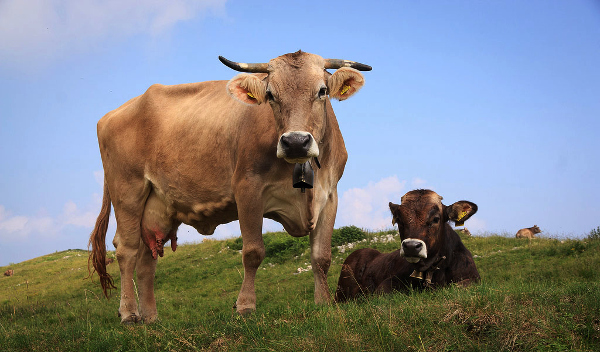
India’s nationwide livestock disease-control programme is delivering measurable results, with sustained vaccination, digital animal tracking and expanded veterinary services contributing to a sharp decline in Foot and Mouth Disease and Brucellosis outbreaks.
Since the National Animal Disease Control Programme was launched in 2019, more than 147.16 crore doses of FMD vaccine have been administered across the country, benefiting around 8.04 crore farmers. Reported FMD outbreaks have fallen from 132 in 2019 to 40 in 2025, while Brucellosis outbreaks declined from 22 to 15 during the same period.
The programme focuses on mass vaccination of susceptible livestock, disease surveillance, outbreak investigation and improved monitoring of animal movement. Cattle, buffaloes, sheep, goats and pigs are covered under the FMD vaccination campaign, with eligible animals vaccinated at six-month intervals.
Protective immunity against the major FMD virus strains has also improved. Average immunity levels have reached 78.1% against Serotype O, 71.7% against Serotype A and 77.6% against Asia-1. India has not recorded an FMD outbreak caused by the Asia-1 strain during the past three years.
Brucellosis control follows a different strategy because the disease primarily affects the reproductive system of cattle and buffaloes and can cause infertility, abortions and reduced milk production. Female bovine calves between four and eight months of age receive a one-time vaccination. Monitoring conducted in 2025 recorded seroconversion rates of 75.63% among cattle calves and 67.17% among buffalo calves.
Disease-control measures have also been extended to migratory livestock populations. Since 2024, FMD vaccination has covered pastoral sheep and goats in Haryana, Himachal Pradesh, Uttarakhand, Jammu and Kashmir and Ladakh, reducing the risk of infection moving along seasonal migration routes.
Digital livestock management has become another major component of the programme. More than 39 crore animals had been registered on the Bharat Pashudhan Portal by July 2026, with each animal receiving a unique 12-digit identification number. Vaccination records, animal registration and disease data can now be linked through the platform, improving traceability and allowing authorities to identify gaps in coverage more quickly.
The growing use of real-time dashboards, vaccination tracking and AI-assisted analytics is expected to strengthen surveillance further. Sero-surveillance and sero-monitoring programmes are being used to measure disease exposure, evaluate post-vaccination immunity and guide future vaccination strategies.
Veterinary care has also expanded beyond fixed hospitals. A network of 4,019 Mobile Veterinary Units operating across 29 States and Union Territories is providing doorstep treatment through the 1962 helpline. These units have so far reached about 136 lakh farmers and treated around 276 lakh animals.
India has additionally trained 39,810 Multi-Purpose Artificial Insemination Technicians in Rural India, strengthening access to breeding and animal-health services in rural areas. Veterinary laboratories, vaccine-testing facilities and cold-chain infrastructure are being upgraded alongside the field-level programme.
The broader livestock-health strategy is now being implemented under the Livestock Health and Disease Control Programme, which combines disease-control measures, veterinary services and the Pashu Aushadhi initiative. The programme has been allocated ₹2,010 crore for FY 2026-27.
Improved animal health is taking place alongside rising livestock productivity. Annual productivity of indigenous and non-descript cattle increased from 927 kg per animal in 2014-15 to 1,343.2 kg in 2024-25, while buffalo productivity rose from 1,880 kg to 2,365.2 kg over the same period.
Average bovine productivity increased by more than 36% during the decade, while India’s milk production rose from 146.31 million tonnes in 2014-15 to 247.87 million tonnes in 2024-25. The longer-term objective is to raise average milk productivity to around 3,000 kg per animal annually by 2030.
Animal disease control is also becoming an important part of India’s wider One Health strategy, which links human, animal and environmental health. Stronger livestock surveillance can reduce the risk of zoonotic outbreaks, improve antimicrobial stewardship and strengthen preparedness for emerging diseases.
India is supporting this effort through a dedicated animal-health security project backed by US$25 million from the G20 Pandemic Fund. The programme is strengthening genomic and environmental surveillance, laboratory networks, outbreak preparedness and cross-border disease monitoring.
With more than 535 million livestock across the country, controlling contagious animal diseases has direct implications for rural incomes, food security and agricultural productivity. The combination of large-scale vaccination, digital identification, mobile veterinary care and disease intelligence is gradually creating a more resilient livestock-health system.
The decline in FMD and Brucellosis outbreaks suggests that sustained preventive healthcare can deliver significant economic benefits for farmers while improving the overall productivity of India’s livestock sector. Future priorities are expected to include stronger genomic surveillance, expanded laboratory capacity, AI-enabled disease monitoring and closer alignment with international standards for progressive FMD control and eventual disease freedom.
You may also like
-
ICAR Scientists Develop Indigenous Protective Gloves for Cotton Farmers, Sign Commercial Manufacturing Agreement
-
BHEL–Coal India Joint Venture Begins Construction of ₹25,016 Crore Indigenous Coal Gasification Project in Odisha
-
PM Modi to Inaugurate RBI’s Tier IV Data Centre and Cybersecurity Training Institute in Bhubaneswar
-
India Creates 11 Crore Digital Farmer IDs Five Months Ahead of Target, Strengthening AgriStack Infrastructure
-
Chak-Hao Black Rice of Manipur and Nagaland: The Aromatic Purple Heritage Grain with GI Recognition
