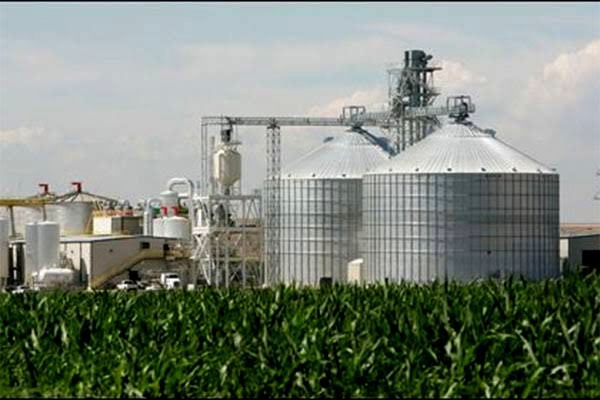
India’s clean-fuel movement has entered a new phase with the launch of E85 petrol, a high-ethanol fuel blend containing 85 percent ethanol and 15 percent petrol. The launch marks a major step in the country’s effort to reduce dependence on imported crude oil, lower transport emissions and create a larger domestic market for biofuel-based mobility.
E85 is important because it moves India beyond the earlier stage of ethanol blending. The country has already made strong progress with E20 petrol, where 20 percent ethanol is blended with petrol. E85 takes that transition much further by making ethanol the dominant part of the fuel mix. This gives India a stronger pathway toward cleaner combustion, greater fuel diversification and deeper use of farm-linked energy resources.
The biggest attraction of E85 for consumers is its price advantage. The fuel is expected to be sold around ₹20 per litre cheaper than current E20 petrol. This pricing strategy is designed to encourage early adoption of flex-fuel vehicles and create a practical economic reason for motorists to shift toward ethanol-heavy fuel. For Indian households, fuel cost remains a major part of daily transport spending, so a visible price difference can help build public interest in the new fuel.
E85, however, requires compatible vehicles. Ordinary petrol engines are built for standard petrol or lower ethanol blends. A flex-fuel vehicle is engineered to handle higher ethanol content through changes in fuel lines, seals, injectors, sensors, engine calibration and electronic control systems. Ethanol has different combustion characteristics and lower energy density compared with petrol, so a flex-fuel engine must adjust fuel delivery and ignition behaviour according to the blend in the tank.
This is where India’s automobile industry becomes central to the transition. The launch of flex-fuel vehicles by major manufacturers shows that the market is beginning to align with the fuel policy. Maruti Suzuki’s flex-fuel WagonR and Hero MotoCorp’s ethanol-compatible commuter motorcycles show how the technology can enter both passenger cars and two-wheelers. This is crucial because India’s transport market is heavily driven by affordable cars, scooters and motorcycles used by ordinary families, workers and small businesses.
The environmental value of E85 lies in the use of ethanol as a renewable fuel component. Ethanol can be produced from sugarcane, maize, damaged foodgrain and other biomass resources. When produced through efficient and sustainable systems, it can reduce the net carbon footprint of transport fuel. It also supports cleaner combustion and helps India build a fuel basket that is less dependent on fossil fuels.
The economic impact can be equally significant. India spends heavily on crude oil imports, and global oil prices can place pressure on inflation, foreign exchange outflow and public finances. Every additional litre of domestically produced ethanol used in transport fuel helps reduce the pressure of imported petroleum. This gives E85 a strategic role in energy security, especially at a time when global energy markets remain exposed to geopolitical shocks.
For farmers and rural industries, ethanol demand can create a larger value chain. Sugar mills, grain-based distilleries, biofuel units, logistics companies and rural supply networks can benefit from a stronger ethanol economy. Instead of viewing agriculture only through the lens of food production, India is building a model where farm output and agricultural by-products can also contribute to national energy needs. This connects the farmer, the fuel station and the vehicle owner in one economic chain.
The rollout of E85 also needs infrastructure expansion. Fuel availability will decide the speed of adoption. A motorist will consider buying a flex-fuel vehicle only when ethanol-blended fuel is easy to access. The plan to expand ethanol dispensing stations in key cities and later across wider regions is therefore a critical part of the mission. Fuel stations, vehicle manufacturers, oil marketing companies and policymakers must move together for the shift to succeed.
Pricing clarity will also matter. Ethanol has lower energy per litre than petrol, which means a vehicle may travel fewer kilometres per litre on a high-ethanol blend compared with petrol. The consumer benefit will depend on how much cheaper E85 remains at the pump and how efficiently flex-fuel vehicles are tuned. A ₹20 per litre price gap can create a strong starting point, especially for urban users, delivery fleets and high-usage commuters.
The launch also fits into India’s broader multi-fuel mobility strategy. The country is expanding electric mobility, compressed natural gas, green hydrogen research, compressed biogas, hybrid technology and biofuels at the same time. This approach is practical for a large and diverse country. Different fuels can serve different vehicle classes, regions and usage patterns. E85 gives India another important option in this basket.
The timing of the launch carries symbolic and policy significance. Introducing E85 during a period of rising focus on climate responsibility shows that India is treating clean mobility as both an environmental and economic mission. The country’s transport sector is large, fast-growing and deeply linked to everyday life. Cleaner fuel choices at the pump can therefore create a visible national impact.
India’s E85 launch is more than a fuel-station event. It is a signal that the country is ready to move from small blending targets toward a deeper biofuel ecosystem. With compatible vehicles, competitive pricing, wider pumps and steady public awareness, E85 can become a meaningful part of India’s clean-transport future.
The road ahead will depend on scale. If ethanol production remains strong, fuel stations expand quickly and automakers bring more affordable flex-fuel models, India can build a new mobility segment powered by domestic agriculture and Indian engineering. E85 gives the country a chance to turn fuel savings, rural income, cleaner transport and energy security into one connected national advantage.
India’s clean-fuel movement has entered a new phase with the launch of E85 petrol, a high-ethanol fuel blend containing 85 percent ethanol and 15 percent petrol. The launch marks a major step in the country’s effort to reduce dependence on imported crude oil, lower transport emissions and create a larger domestic market for biofuel-based mobility.
E85 is important because it moves India beyond the earlier stage of ethanol blending. The country has already made strong progress with E20 petrol, where 20 percent ethanol is blended with petrol. E85 takes that transition much further by making ethanol the dominant part of the fuel mix. This gives India a stronger pathway toward cleaner combustion, greater fuel diversification and deeper use of farm-linked energy resources.
The biggest attraction of E85 for consumers is its price advantage. The fuel is expected to be sold around ₹20 per litre cheaper than current E20 petrol. This pricing strategy is designed to encourage early adoption of flex-fuel vehicles and create a practical economic reason for motorists to shift toward ethanol-heavy fuel. For Indian households, fuel cost remains a major part of daily transport spending, so a visible price difference can help build public interest in the new fuel.
E85, however, requires compatible vehicles. Ordinary petrol engines are built for standard petrol or lower ethanol blends. A flex-fuel vehicle is engineered to handle higher ethanol content through changes in fuel lines, seals, injectors, sensors, engine calibration and electronic control systems. Ethanol has different combustion characteristics and lower energy density compared with petrol, so a flex-fuel engine must adjust fuel delivery and ignition behaviour according to the blend in the tank.
This is where India’s automobile industry becomes central to the transition. The launch of flex-fuel vehicles by major manufacturers shows that the market is beginning to align with the fuel policy. Maruti Suzuki’s flex-fuel WagonR and Hero MotoCorp’s ethanol-compatible commuter motorcycles show how the technology can enter both passenger cars and two-wheelers. This is crucial because India’s transport market is heavily driven by affordable cars, scooters and motorcycles used by ordinary families, workers and small businesses.
The environmental value of E85 lies in the use of ethanol as a renewable fuel component. Ethanol can be produced from sugarcane, maize, damaged foodgrain and other biomass resources. When produced through efficient and sustainable systems, it can reduce the net carbon footprint of transport fuel. It also supports cleaner combustion and helps India build a fuel basket that is less dependent on fossil fuels.
The economic impact can be equally significant. India spends heavily on crude oil imports, and global oil prices can place pressure on inflation, foreign exchange outflow and public finances. Every additional litre of domestically produced ethanol used in transport fuel helps reduce the pressure of imported petroleum. This gives E85 a strategic role in energy security, especially at a time when global energy markets remain exposed to geopolitical shocks.
For farmers and rural industries, ethanol demand can create a larger value chain. Sugar mills, grain-based distilleries, biofuel units, logistics companies and rural supply networks can benefit from a stronger ethanol economy. Instead of viewing agriculture only through the lens of food production, India is building a model where farm output and agricultural by-products can also contribute to national energy needs. This connects the farmer, the fuel station and the vehicle owner in one economic chain.
The rollout of E85 also needs infrastructure expansion. Fuel availability will decide the speed of adoption. A motorist will consider buying a flex-fuel vehicle only when ethanol-blended fuel is easy to access. The plan to expand ethanol dispensing stations in key cities and later across wider regions is therefore a critical part of the mission. Fuel stations, vehicle manufacturers, oil marketing companies and policymakers must move together for the shift to succeed.
Pricing clarity will also matter. Ethanol has lower energy per litre than petrol, which means a vehicle may travel fewer kilometres per litre on a high-ethanol blend compared with petrol. The consumer benefit will depend on how much cheaper E85 remains at the pump and how efficiently flex-fuel vehicles are tuned. A ₹20 per litre price gap can create a strong starting point, especially for urban users, delivery fleets and high-usage commuters.
The launch also fits into India’s broader multi-fuel mobility strategy. The country is expanding electric mobility, compressed natural gas, green hydrogen research, compressed biogas, hybrid technology and biofuels at the same time. This approach is practical for a large and diverse country. Different fuels can serve different vehicle classes, regions and usage patterns. E85 gives India another important option in this basket.
The timing of the launch carries symbolic and policy significance. Introducing E85 during a period of rising focus on climate responsibility shows that India is treating clean mobility as both an environmental and economic mission. The country’s transport sector is large, fast-growing and deeply linked to everyday life. Cleaner fuel choices at the pump can therefore create a visible national impact.
India’s E85 launch is more than a fuel-station event. It is a signal that the country is ready to move from small blending targets toward a deeper biofuel ecosystem. With compatible vehicles, competitive pricing, wider pumps and steady public awareness, E85 can become a meaningful part of India’s clean-transport future.
The road ahead will depend on scale. If ethanol production remains strong, fuel stations expand quickly and automakers bring more affordable flex-fuel models, India can build a new mobility segment powered by domestic agriculture and Indian engineering. E85 gives the country a chance to turn fuel savings, rural income, cleaner transport and energy security into one connected national advantage.
You may also like
-
India’s Economic Warfare Challenge: Strategic Autonomy, Energy Security and the Rise of a Global Power
-
India-US Trade Deal Stalemate: Why Washington’s Tariff Pressure Has Failed to Secure an Agreement
-
US Double Standards in Foreign Policy: 16 Recent Cases Involving India, Russia, China and Global Trade
-
India’s Arctic Energy Ambitions: Russian Oil, LNG and a New Sea Route to Indian Ports
-
India and Russia Explore Joint Icebreaker Construction as Maritime Industrial Cooperation Expands
