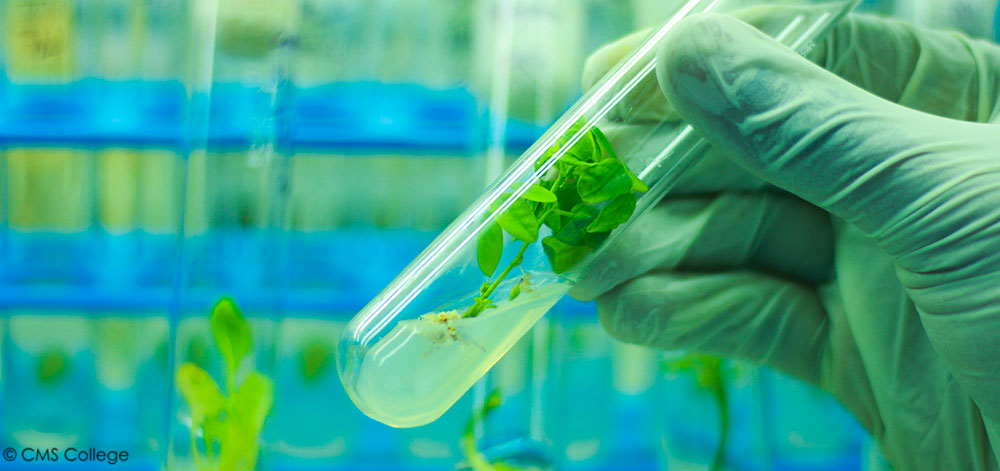
India’s expanding biotechnology ecosystem is emerging as an important contributor to scientific innovation, industrial development and economic growth. Addressing the CII Global Genomics Summit 2026 in New Delhi on 25 November, Union Minister of Science and Technology Jitendra Singh highlighted the expansion of India’s biotechnology startup ecosystem from approximately 50–60 enterprises in 2014 to more than 11,000. According to the India Bioeconomy Report 2026, the country already has over 11,800 biotechnology startups supporting a bioeconomy valued at US$195.3 billion in 2025.
India Targets a $300 Billion Bioeconomy by 2030
India’s bioeconomy has expanded substantially over the past decade, encompassing biopharmaceuticals, agricultural biotechnology, industrial biotechnology and research-driven services. The India Bioeconomy Report 2026 recorded an annualised growth rate of nearly 18 per cent, with the sector contributing approximately 4.8 per cent to the country’s gross domestic product. The government has set a target of developing a US$300 billion bioeconomy by 2030, supported by scientific innovation, entrepreneurial development and industrial participation.
BioE3 Policy Supports Advanced Biomanufacturing
The government’s Biotechnology for Economy, Environment and Employment (BioE3) Policy provides a framework for developing high-performance biomanufacturing and translating scientific discoveries into commercially viable technologies. Its implementation seeks to strengthen collaboration between research institutions, biotechnology enterprises and industrial manufacturers. Dedicated biofoundries and associated research infrastructure are intended to help enterprises overcome technical and manufacturing challenges as they progress from laboratory research towards commercial production.
Biomanufacturing has applications across pharmaceutical production, sustainable materials, industrial enzymes, agricultural inputs and biologically derived products. Developing indigenous capabilities in these areas could help reduce dependence on imported technologies while creating opportunities for specialised manufacturing and scientific employment. The expansion of biotechnology infrastructure can also enable smaller enterprises to access facilities that would otherwise require substantial capital investment.
Genomics and Multi-Omics Research Open New Opportunities
The CII Global Genomics Summit 2026 highlighted the importance of integrating genomic research with other biological disciplines to develop innovative healthcare and industrial applications. Multi-omics research combines information derived from genes, proteins, metabolic processes and other biological systems to improve understanding of complex biological mechanisms. Such approaches have applications in disease research, precision medicine, agricultural improvement and pharmaceutical development.
India’s extensive genetic diversity provides an important foundation for population-specific biomedical research. Developing representative biological datasets could improve understanding of inherited conditions, disease susceptibility and variations in therapeutic responses. The integration of advanced computational technologies with biological research can further support the development of diagnostics, targeted therapies and personalised healthcare solutions.
Strengthening Research-Driven Entrepreneurship
Biotechnology enterprises face distinct challenges associated with research expenditure, specialised infrastructure, scientific validation and regulatory compliance. Unlike many conventional technology businesses, biotechnology startups often require extended development periods before their innovations can be introduced commercially. Access to specialised laboratories, pilot manufacturing facilities, technical mentorship and patient investment capital is therefore particularly important for the sector.
The Biotechnology Industry Research Assistance Council (BIRAC) supports this ecosystem through financial assistance, incubation and industry-academia partnerships. Its programmes are intended to facilitate the translation of scientific research into practical products and services while strengthening entrepreneurial capabilities. Continued collaboration between academic institutions, industrial enterprises and investors can improve the commercialisation prospects of indigenous biotechnology innovations.
Biotechnology Beyond Pharmaceutical Manufacturing
The opportunities associated with biotechnology extend beyond medicines, vaccines and diagnostic technologies. Agricultural biotechnology can contribute to crop improvement, biological pest management and sustainable agricultural inputs, while industrial biotechnology offers alternatives to conventional chemical manufacturing processes. Research into biodegradable materials, biological waste treatment and renewable feedstocks can also support environmentally responsible industrial development.
The convergence of biotechnology with artificial intelligence, automation and advanced manufacturing is creating additional opportunities for interdisciplinary innovation. Indian enterprises working across these domains could contribute to developing new products and technologies suited to domestic requirements and international markets. Their success will depend on scientific quality, regulatory compliance, manufacturing efficiency and sustained investment in research.
Building a Knowledge-Driven Bioeconomy
The expansion of India’s biotechnology startup ecosystem reflects the growing participation of scientists, entrepreneurs, research institutions and industrial enterprises in biological innovation. Achieving the US$300 billion bioeconomy target by 2030 will require continued investment in research infrastructure, specialised human resources and commercial manufacturing capabilities. Strengthening partnerships between scientific institutions and industry will remain important in translating promising research into economically viable and socially beneficial applications.
By developing indigenous biotechnology capabilities across healthcare, agriculture and sustainable manufacturing, India can strengthen its technological self-reliance while contributing to global scientific advancement. The country’s expanding network of biotechnology startups provides a foundation for research-led industrial development, specialised employment and a more diversified knowledge-driven economy.
References
- Press Information Bureau, Ministry of Science and Technology — Address by Union Minister Jitendra Singh at the CII Global Genomics Summit 2026, 25 November 2026. Release ID: 2341178.
- Press Information Bureau, Ministry of Science and Technology — India’s Bioeconomy surges from $10 billion to $195 billion in a decade, Registers 17–18% Annual Growth, 19 March 2026. Release ID: 2242405.
- India Bioeconomy Report (IBER) 2026 and BIRAC Impact Report, released on 19 March 2026.
You may also like
-
India Tracks ₹38.11 Lakh Crore Infrastructure Investment Pipeline
-
Suzlon Energy Lays Foundation Stone for 1 GW AI-Enabled Wind Turbine Blade Factory in Tamil Nadu
-
Avore Electric Reports 90 Per Cent Domestic Component Sourcing for Electric Motorcycles
-
Indian Nuclear Startup SUK-M Secures Funding to Develop Indigenous Thorium Microreactor
-
Jupiter Wagons Partners South Korea’s Woojin to Manufacture Metro Trains and Propulsion Systems in India
