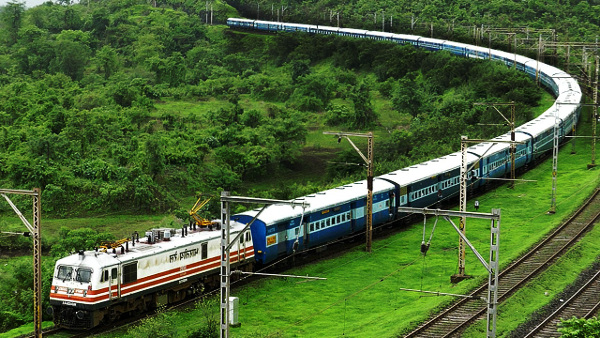
Indian Railways has achieved a major engineering milestone in the construction of the Rishikesh–Karnaprayag railway project in Uttarakhand with the excavation breakthrough of the 6.59-kilometre main tunnel designated Tunnel-14 in Rudraprayag district. Announced by the Ministry of Railways on 27 November 2026, the achievement represents significant progress in developing railway connectivity across the challenging Himalayan terrain. The development highlights India’s growing capabilities in complex infrastructure engineering and advances efforts to improve transportation accessibility in mountainous regions.
Connecting Two Tunnel Excavation Sections
The breakthrough successfully connects the tunnel sections excavated from Sumerpur and Marora, bringing together construction work undertaken from opposite ends of the mountain. The excavation involved specialised engineering techniques to address complex geological conditions, unstable soil formations and construction beneath inhabited areas. The achievement marks an important stage in the development of the approximately 125-kilometre Rishikesh–Karnaprayag railway corridor, which is intended to extend India’s railway network deeper into the Himalayan region.
Overcoming Complex Himalayan Geological Challenges
One of the particularly challenging aspects of the project involved excavating a 110-metre stretch through loose soil beneath populated areas near Sumerpur. Engineers employed specialised excavation techniques, including advance ground preparation and multi-drifting, to manage geological instability and facilitate construction. At the Marora end, slope stabilisation measures involving micropiles, rock bolts and consolidation grouting were implemented to reinforce the surrounding terrain.
These engineering measures demonstrate the importance of adapting construction methodologies to local geological conditions. Railway tunnelling across the Himalayas requires continuous geological assessment, groundwater management and carefully designed structural support systems to address variations in rock formations and slope stability. The successful breakthrough reflects the application of specialised engineering expertise to overcome these challenges.
Strengthening Railway Connectivity Across Uttarakhand
The Rishikesh–Karnaprayag railway project is designed to extend railway connectivity into Uttarakhand’s mountainous districts, connecting communities that currently depend extensively on road transportation. Once operational, the corridor is expected to improve passenger mobility and facilitate the transportation of essential commodities, agricultural produce and construction materials. The railway network could also provide residents with improved access to educational institutions, healthcare facilities and employment opportunities.
The project represents an important investment in diversifying transportation infrastructure in a state where landslides, seasonal weather conditions and mountainous terrain can disrupt road connectivity. A complementary railway network could strengthen regional accessibility while supporting the development of local economic activities. Improved transportation options can also contribute to greater economic integration between Himalayan communities and other parts of the country.
Supporting Pilgrimage, Tourism and Cultural Connectivity
The railway corridor is expected to improve accessibility to several important religious and cultural destinations in Uttarakhand. Rishikesh, Devprayag, Rudraprayag and Karnaprayag occupy significant positions within India’s Himalayan pilgrimage traditions, while the wider region attracts visitors for its natural landscapes, spiritual institutions and cultural heritage. Improved railway connectivity could facilitate more convenient travel for pilgrims and tourists visiting these destinations.
The development of railway infrastructure also presents opportunities for local hospitality enterprises, handicraft industries, agricultural producers and tourism-related businesses. Improved accessibility can help connect locally produced goods and services with wider markets, creating additional economic opportunities for communities along the corridor. These benefits will depend on the successful integration of railway services with local transportation networks and sustainable tourism infrastructure.
Advancing India’s Himalayan Infrastructure Engineering Capabilities
The construction of railway tunnels across the Himalayan region requires specialised expertise in geological assessment, excavation technologies, structural reinforcement and construction management. Projects such as the Rishikesh–Karnaprayag railway corridor contribute to the development of domestic engineering capabilities through practical experience in addressing complex mountainous construction conditions. The successful execution of individual tunnel sections also provides valuable technical experience that can support future infrastructure projects across similar geographical environments.
The breakthrough of Tunnel-14 demonstrates the importance of combining modern construction technologies with site-specific engineering solutions. Continued investment in technical expertise, geological research and construction safety can strengthen India’s institutional capabilities in developing infrastructure across difficult terrain. These capabilities are particularly relevant to the country’s broader efforts to improve connectivity in remote and mountainous regions.
From Tunnel Breakthrough to Railway Operations
The breakthrough of Tunnel-14 marks the successful connection of the excavated tunnel sections rather than the completion of the entire railway corridor. Subsequent construction activities will involve structural finishing, railway track installation, electrical infrastructure, ventilation arrangements, communication systems and operational safety assessments. These works must be completed before the tunnel can be integrated into an operational railway network.
Maintaining engineering quality, environmental safeguards and construction safety throughout the remaining stages will be essential to the project’s long-term success. The effectiveness of the railway corridor will depend not only on completing its civil engineering works but also on ensuring reliable and safe operations under challenging Himalayan conditions. The excavation breakthrough nevertheless represents substantial progress towards the eventual commissioning of the railway corridor.
Building a More Connected Himalayan Region
The successful breakthrough of the 6.59-kilometre Tunnel-14 represents another milestone in India’s efforts to develop modern railway infrastructure across the Himalayan region. The Rishikesh–Karnaprayag railway corridor brings together advanced engineering, transportation development and long-term regional economic objectives within a comprehensive infrastructure initiative. As construction progresses, the project holds the potential to expand economic opportunities, improve pilgrimage accessibility and strengthen the integration of remote Himalayan communities with India’s national railway network.
References
- Ministry of Railways, Press Information Bureau — Breakthrough Achieved in 6.59 km Long Tunnel-14 of Rishikesh–Karnaprayag Rail Project, 27 November 2026. PIB Release ID: 2342624.
- DD India — Breakthrough Achieved in 6.59-km Tunnel-14 of Rishikesh–Karnaprayag Rail Project, 27 November 2026.
- Akashvani News — Indian Railways Achieves Breakthrough in 6.59-km Tunnel in Uttarakhand, 27 November 2026.
You may also like
-
Pixxel Plans ₹350 Crore Satellite Factory, Partners Centum to Advance Indigenous Space Technologies
-
Indian Public Sector Banks’ Gross Advances Reach ₹127 Lakh Crore as Net NPAs Fall to 0.33 Per Cent
-
India’s Power Capacity Reaches 563 GW as Non-Fossil Sources Surpass 55 Per Cent
-
India’s Pharmaceutical Exports Reach US$18.89 Billion, Registering 5.68 Per Cent Growth
-
Warangal Chapata Chilli — Telangana’s Brilliant Red Tomato Chilli and the Agricultural Heritage of Warangal
