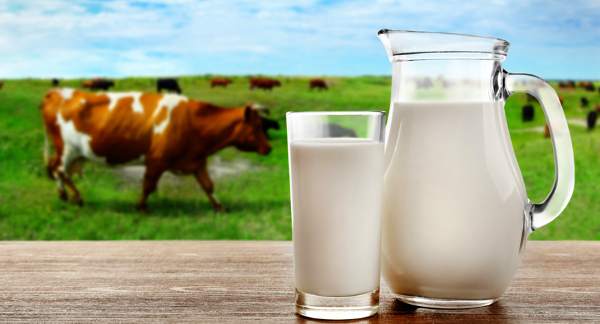
India is strengthening its dairy and livestock economy through investments in village-level milk collection, cold-chain infrastructure, processing capacity, animal feed production, disease control and digital identification of livestock. The government’s approach combines centrally supported programmes with implementation by states, cooperatives, producer organisations and private enterprises, reflecting the importance of animal husbandry as both a rural livelihood and a source of national nutritional security.
The sector has recorded considerable expansion over the past decade. India’s milk production increased from 146.31 million tonnes in 2014–15 to 248.87 million tonnes in 2024–25, representing growth of around 70 per cent. Egg production rose from 78.48 billion to 149.11 billion during the same period, an increase of approximately 90 per cent. These figures indicate that livestock-based activities are becoming an increasingly important source of food, cash income and employment across rural India.
The next phase of growth requires infrastructure capable of collecting perishable milk quickly, testing it for quality, chilling it near the point of production and transporting it safely to processing facilities. Unlike foodgrains, raw milk deteriorates rapidly when it remains unrefrigerated, particularly in warm conditions. The absence of a reliable collection and cooling network can reduce quality, limit access to organised buyers and weaken the bargaining position of small producers.
The National Programme for Dairy Development is one of the principal instruments being used to address these gaps. It supports the expansion of organised milk-procurement networks, village-level chilling and testing facilities, dairy processing, value-added product manufacturing and training in clean milk production. Its wider objective is to connect more producers with organised markets while improving the quality of milk reaching consumers.
Under the programme, Bhind and Datia districts of Madhya Pradesh have been selected for improvements in milk-procurement infrastructure. A bulk milk cooler with a capacity of 3,000 litres has been approved for Bhind, along with milk-collection facilities covering 34 Dairy Cooperative Societies in Bhind and 14 societies in Datia. These investments can enable village cooperatives to aggregate milk, conduct initial quality checks and preserve it until transportation to a processing plant.
The benefits of such infrastructure extend beyond preventing spoilage. Transparent testing of fat and solids-not-fat content can support more accurate payments to farmers, while organised collection reduces their dependence on informal purchasers. Reliable chilling also allows dairy unions to source milk from a wider geographical area and manufacture products such as curd, paneer, butter, ghee, cheese and milk powder instead of restricting operations to immediate liquid-milk sales.
The Animal Husbandry Infrastructure Development Fund complements the cooperative-focused programme by encouraging investment in larger commercial facilities. It supports eligible entrepreneurs, private companies, micro, small and medium enterprises, Farmer Producer Organisations, Section 8 companies and dairy cooperatives seeking to establish dairy-processing plants, value-addition units, animal-feed facilities, breed-improvement infrastructure, veterinary vaccine and drug production, waste-to-wealth projects and other livestock-related assets.
The fund’s revised outlay was ₹29,110.25 crore up to March 31, 2026. Its purpose is to attract capital into areas where inadequate processing, feed availability or market infrastructure may prevent livestock producers from obtaining greater value from their output. The government informed Parliament that no proposals had been received from Bhind and Datia under this fund, distinguishing the approved cooperative collection facilities under the National Programme for Dairy Development from investment-led projects financed through the infrastructure fund.
Milk prices are determined by dairy cooperatives and private dairies according to prevailing market conditions rather than through a single nationally fixed procurement price. The Department of Animal Husbandry and Dairying stated that it had received no reports specifically attributing the inability of farmers to obtain remunerative prices to inadequate processing or cold-chain facilities. This statement does not remove the wider importance of processing capacity, because access to more buyers and the ability to convert surplus milk into longer-lasting products can reduce pressure during periods of excess supply.
Feed and fodder costs are another major influence on dairy profitability. Cattle and buffalo productivity depends on access to adequate green fodder, dry fodder, crop residues, concentrates, minerals and clean water. Rising input costs can narrow farmers’ margins even when milk output remains strong, making local fodder production and balanced feeding essential for the economic sustainability of livestock holdings.
The National Livestock Mission is addressing this challenge through fodder-seed production, enterprise development and producer-based supply networks. Under the mission, 1.62 lakh tonnes of fodder seeds have been produced, 204 feed and fodder enterprise units have been approved, and 100 fodder-focused Farmer Producer Organisations have been created across 19 states. These institutions are intended to strengthen local supply chains, improve access to quality planting material and reduce the distance over which bulky fodder must be transported.
Fodder FPOs can organise farmers around the production, aggregation and sale of fodder crops, silage, hay and feed ingredients. Enterprise units can support activities such as seed processing, fodder-block manufacturing, silage preparation and production of balanced cattle feed. Such investments can help dairy farmers manage seasonal shortages, particularly during droughts, floods or lean agricultural periods when green fodder becomes scarce.
The government’s strategy also links livestock productivity with animal health. Disease outbreaks reduce milk yield, affect fertility, increase treatment costs and can restrict domestic and international trade. Through the Livestock Health and Disease Control Programme, the Centre supports states in vaccination, surveillance, veterinary services and the creation of disease-controlled or disease-free areas. This is important for protecting farm incomes as well as improving the acceptance of Indian livestock products in export markets.
Breed improvement is being pursued through the Rashtriya Gokul Mission, while the National Livestock Mission supports entrepreneurship and development across several livestock categories. Since animal husbandry falls within the constitutional responsibilities of states, the Union government has clarified that it does not currently propose a single comprehensive national law governing livestock development. Instead, it supports states and Union Territories through financial assistance, technical programmes, national standards and centrally sponsored schemes.
This federal structure allows states to adapt interventions to local livestock breeds, climate, farming systems and market conditions. Dairy development in a buffalo-dominated northern state may require a different strategy from one in a region dependent on crossbred cattle, goats, sheep or backyard poultry. National schemes can provide finance and technology, while state departments remain central to veterinary delivery, extension, breeding services and field implementation.
Digital traceability is emerging as another important component of livestock governance. The Department of Animal Husbandry and Dairying, in collaboration with the National Dairy Development Board, has developed the Bharat Pashudhan database using a unique 12-digit identification number assigned to animals. The system is intended to create a digital record linking individual livestock with information relevant to ownership, breeding, health, vaccination and productivity.
A reliable national database can improve the targeting of vaccination campaigns, reduce duplication in breeding records and help authorities track animals during disease outbreaks. It may also support traceability for exports, where importing countries increasingly require evidence concerning animal origin, health status and the production chain. Its usefulness will depend on accurate field-level data entry, timely updates and the ability of farmers and veterinary personnel to use the system consistently.
Urban milk security forms another part of the government’s dairy planning. A study conducted under the National Dairy Plan estimated Delhi’s milk demand at 111 lakh litres per day in 2019 and projected it to reach 173.5 lakh litres per day by 2030. This would represent an increase of more than 62 lakh litres per day, driven by population growth, income changes and demand for liquid milk and processed dairy products.
Delhi’s requirements are currently served by multiple suppliers, including Mother Dairy, the Gujarat Cooperative Milk Marketing Federation operating the Amul brand, Delhi Milk Scheme, Bihar’s COMFED, Karnataka Milk Federation and private dairies. The government stated that the existing network was adequately meeting demand and that suppliers were required to comply with standards prescribed by the Food Safety and Standards Authority of India.
The capital’s supply model demonstrates the inter-state nature of India’s dairy economy. Milk and dairy products consumed in major cities may be procured from farmers hundreds of kilometres away, chilled at village centres, processed by cooperative or private dairies and moved through refrigerated or insulated logistics systems. Continued urban demand can provide stable markets for producers, provided that procurement networks remain efficient and payments are transmitted fairly through the value chain.
India’s dairy and livestock growth therefore depends on the connection between several distinct elements: productive animals, affordable feed, veterinary protection, transparent procurement, rapid chilling, modern processing, safe transport and access to reliable markets. Building only one part of this chain cannot fully address the needs of farmers or consumers.
The expansion of milk and egg production shows the scale already achieved, while investments under the National Programme for Dairy Development and the Animal Husbandry Infrastructure Development Fund are aimed at improving the quality and value of that output. Fodder enterprises and producer organisations address input constraints, disease-control programmes protect productivity, and Bharat Pashudhan introduces the traceability required for modern livestock management and export development.
The long-term challenge is to translate national production growth into dependable income for small livestock owners. This will require wider access to organised procurement, scientific feeding, breeding services, veterinary care and processing facilities capable of absorbing seasonal surpluses. Strong cooperatives and producer organisations can play a central role by aggregating small quantities of milk, negotiating with markets and ensuring that farmers participate more directly in value addition.
India’s livestock economy is already one of the country’s most widely distributed rural production systems. By combining local infrastructure with investment, health protection and digital records, the government is seeking to build a more productive, resilient and market-connected sector that supports farmers, strengthens food security and supplies safe animal products to domestic and international consumers.
Reference: Press Information Bureau, Government of India. “Government Strengthens Dairy Infrastructure, Livestock Development and Milk Supply Across India.” Ministry of Fisheries, Animal Husbandry and Dairying, 28 July 2026. Release ID: 2290496.
You may also like
-
EON Space Labs and Dhruva Space Advance Indian Space Hardware on Transporter-18 Mission
-
SatLeo Labs’ TAPAS-1 Reaches Orbit, Advancing India’s Private Thermal-Imaging Capability
-
TakeMe2Space’s MOI-1A Reaches Space on Falcon 9 Transporter-18 Mission
-
Bank of Baroda Enters Pension Fund Management After PFRDA Appointment
-
SCI and India’s Push for a Larger Indigenous Maritime Fleet
