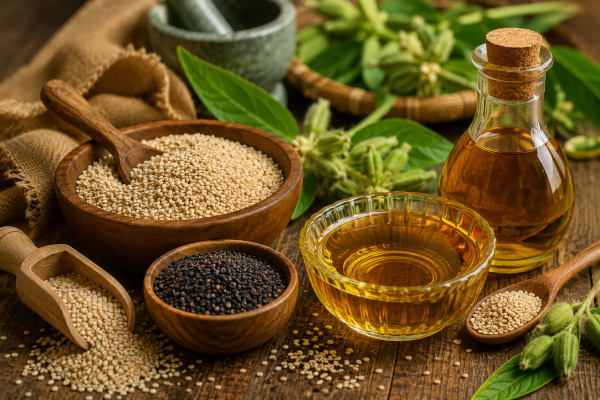
Gingelly, sesame, til, ellu, nallennai, nuvvulu, tila — one small seed travels across India under many names, but its place in traditional life remains remarkably constant. It is eaten as food, pressed into oil, used in lamps, offered in rituals, applied on the body, used in oral care, added to winter sweets, mixed into chutneys, stirred into podis, and transformed into medicated Ayurvedic oils. Few ingredients show the Indian idea of “food is medicine” as beautifully as sesame.
In Ayurveda, sesame is known as Tila. It is among the most respected oilseeds in classical practice because it carries nourishment, warmth, strength and unctuousness in a concentrated form. The seed feeds the body. The oil softens and protects the tissues. The paste supports external applications. The stalk is used in traditional alkaline preparations. The same plant moves from kitchen to pharmacy, from temple to massage room, from daily cooking to seasonal health care.
Sesame is especially important in South Indian food culture. In Kerala and Tamil Nadu, gingelly oil is loved for its deep nutty aroma, digestive comfort and ability to carry the flavour of spices. It is poured over idli podi, used in pickles, added to tamarind rice, mixed into chutneys and used in traditional oil baths. In Ayurveda, this everyday use has a deeper meaning. A good oil is not just fat; it is a carrier of strength, warmth and subtle medicinal action.
Botanical Identity
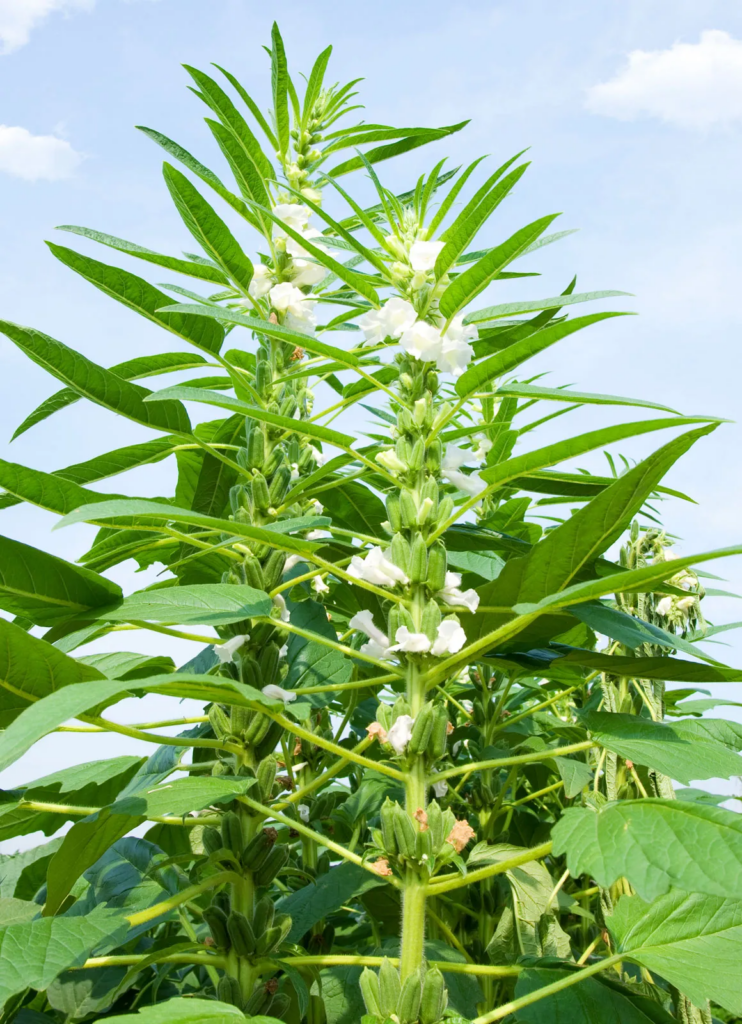
Sesame belongs to the botanical species Sesamum indicum. It is an annual herb grown widely in warm regions of India and many other tropical countries. The plant grows upright, usually with soft green leaves, pale tubular flowers and seed capsules that hold the tiny seeds. When mature, the capsules dry and split open, releasing the seeds.
The seeds may be white, black, brown, reddish or golden depending on the variety. White sesame is common in sweets, bakery use and general cooking. Black sesame is especially valued in traditional systems for strength-building and ritual use. Brown sesame is common in oil extraction. Gingelly oil generally refers to sesame oil, especially the traditional, cold-pressed or wood-pressed oil used in South India.
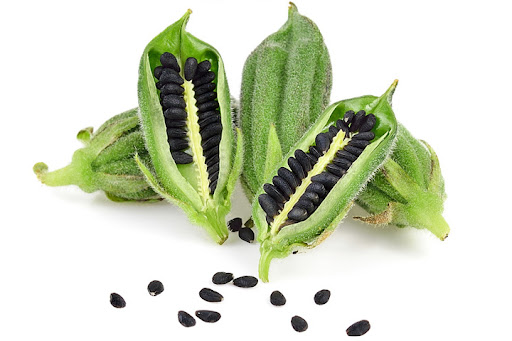
The beauty of sesame lies in its density. The seed is tiny, yet it carries oil, protein, minerals, fibre and bioactive compounds in remarkable concentration. This is why Indian households treated it with respect. It was never merely a garnish. It was a compact nutritional medicine.
Names of Sesame in India
In Sanskrit, sesame is called Tila. Sesame oil is called Tila Taila. In Hindi it is called Til. In Malayalam and Tamil, the seed is often called Ellu, while sesame oil is called Nallennai in Tamil and Ellenna in Malayalam usage. In Telugu it is known as Nuvvulu. In Kannada it is Ellu. In English, gingelly and sesame are both used, though gingelly is more common in South Indian English when referring to the oil.
These names show how deeply sesame entered regional culture. Til laddoo in North India, ellu bella in Karnataka, ellu podi in Tamil Nadu, gingelly oil in Kerala, sesame chikki in western India and tilkut in eastern India all carry the same principle: small seed, large strength.
Ayurvedic Profile of Sesame
In Ayurvedic language, sesame is understood through rasa, guna, virya, vipaka and karma.
Rasa, or taste, is mainly madhura, with tikta and kashaya undertones. This means sesame has a sweet nourishing base with mild bitter and astringent notes.
Guna, or qualities, include snigdha, guru and sukshma. Snigdha means oily and unctuous. Guru means heavy and nourishing. Sukshma means subtle and penetrating. These qualities explain why sesame oil is considered such a powerful carrier in Ayurvedic formulations.
Virya, or potency, is generally understood as ushna, meaning warming. Sesame brings heat, circulation, stimulation and grounding. This makes it especially valuable in cold, dry and Vata-dominant conditions.
Vipaka, or post-digestive effect, is madhura, meaning sweet. This supports nourishment, tissue building and strength when sesame is properly digested.
In dosha terms, sesame is especially valued for Vata pacification. Vata is dry, light, cold, mobile and rough. Sesame is oily, heavy, warm, grounding and strengthening. This opposite quality makes sesame one of Ayurveda’s classic foods and oils for dryness, weakness, cracking joints, rough skin, coldness and depletion.
For Kapha, sesame should be used with moderation because it is heavy and oily. For Pitta, it should be used carefully when there is excess heat, burning sensation, inflammatory skin tendency or strong acidity. Ayurveda always looks at the person, season, digestion and condition before deciding whether a food is ideal.
Why Ayurveda Values Sesame So Highly
Sesame is not just another oilseed in Ayurveda. It is a complete household healer. The seed nourishes. The oil penetrates. The paste softens. The aroma stimulates appetite. The warmth balances Vata. The minerals support strength. The texture gives lubrication to dry tissues.
Ayurveda sees dryness as one of the major causes of discomfort, especially in aging, travel, stress, irregular meals, sleeplessness and excessive mental work. Dryness can appear as rough skin, cracking joints, constipation tendency, anxiety, fatigue, disturbed sleep and stiffness. Sesame addresses this pattern from both inside and outside. As food, it gives oiliness and minerals. As massage oil, it protects the skin and joints. As medicated oil, it carries herbs deep into tissues.
This is why sesame belongs at the centre of Dinacharya, the Ayurvedic daily routine. It is used in abhyanga, oil pulling, scalp care, foot massage, cooking and seasonal nourishment. A kitchen that uses sesame wisely already contains a small Ayurvedic pharmacy.
Nutrition: Modern View of an Ancient Food
Modern nutrition helps explain why Ayurveda respected sesame. Sesame seeds are energy-dense and rich in healthy fats, plant protein, dietary fibre and minerals. They contain important minerals such as calcium, iron, magnesium, phosphorus, zinc and copper. They also contain lignans such as sesamin and sesamolin, along with phenolic compounds and plant sterols.
Per 100 grams, whole dried sesame seeds contain roughly 570 calories, about 18 grams of protein, nearly 50 grams of fat, about 23 grams of carbohydrate and around 12 grams of fibre. They are particularly notable for calcium, iron, magnesium and copper. Since people usually eat sesame in small quantities, the practical value comes from regular small additions rather than large servings.
Sesame oil contains mostly fats, with a good proportion of unsaturated fatty acids. It also contains natural antioxidant compounds that help give sesame oil its stability and characteristic flavour. Traditional cold-pressed gingelly oil has a deep nutty aroma and a heavy, grounding feel that makes it distinct from lighter cooking oils.
In Indian dietary wisdom, sesame’s richness is handled through pairing. Sesame is combined with jaggery, dry ginger, coconut, rice, tamarind, curry leaves, cumin, ajwain, pepper, garlic or leafy vegetables depending on region and season. These combinations improve taste, digestion and seasonal suitability.
Sesame as Food Medicine in Indian Culture
Sesame is a classic example of seasonal food medicine. In winter, til laddoo, til chikki, ellu bella and sesame-jaggery sweets are prepared across India. This is not accidental. Winter increases coldness and dryness, and sesame brings warmth and oiliness. Jaggery adds sweetness, minerals and digestive support. Together they create a food that is festive, nourishing and seasonally intelligent.
In South India, sesame chutney and ellu podi are eaten with rice, idli and dosa. The roasted seed is ground with chillies, curry leaves, tamarind, urad dal, chana dal or coconut depending on the recipe. This makes sesame easier to digest and more suitable for daily meals. A spoon of gingelly oil over hot rice with podi is one of the simplest examples of food acting as comfort, nourishment and medicine.
In Kerala, gingelly oil has a strong place in traditional body care. Oil bath practices, scalp application and body massage often use sesame oil or regionally prepared medicated oils. The warm oil softens the body, relaxes the nerves and prepares the skin for bathing. This is especially valued during periods of fatigue, body ache, cold weather and dryness.
Sesame and Vata Balance
Among all doshas, Vata receives the greatest support from sesame. Vata governs movement, nerve impulses, breathing rhythm, circulation, elimination, speech and mental speed. When Vata becomes disturbed, the body may show dryness, restlessness, pain, stiffness, gas, disturbed sleep and irregular appetite.
Sesame works through grounding. Its heaviness gives stability. Its oiliness counters dryness. Its warmth reduces coldness. Its subtle quality allows it to enter small channels. Its nourishing effect supports depleted tissues. This is why sesame oil is the standard choice for warm abhyanga in many Vata conditions.
Food preparations for Vata can include roasted sesame powder, sesame chutney, sesame-jaggery balls, sesame rice, sesame with ghee, and vegetables cooked with a small amount of gingelly oil. The key is digestion. Sesame is rich and heavy, so it works best when roasted, powdered, warmed or combined with digestive spices.
Sesame for Bones, Joints and Strength
Sesame is traditionally associated with strength, bones, teeth and stability. This is easy to understand from both Ayurvedic and nutritional viewpoints. Ayurveda values sesame for its building and lubricating qualities. Modern nutrition shows its mineral density, especially calcium, magnesium, zinc and phosphorus.
For joints, sesame oil is more famous than the seed. Warm sesame oil massage is used in many traditional homes for stiffness, tired limbs and dryness of the body. Medicated oils prepared in a sesame base are used by Ayurvedic physicians for joint, muscle, nerve and Vata-related conditions. The oil acts as a carrier, helping herbs remain in contact with tissues and supporting external therapies like massage, kizhi, pizhichil and local oil pooling treatments.
Sesame cannot replace medical care for bone disease, arthritis or injury, but it can serve as a powerful dietary and external support when used correctly. The Ayurvedic principle is simple: dry, weak and stiff tissues need nourishment, warmth and lubrication.
Sesame for Skin
Sesame oil is one of Ayurveda’s most respected oils for external use. It is warming, heavy and protective. When applied warm, it softens dry skin, supports massage, improves the feeling of flexibility and creates a protective layer against environmental dryness.
Traditional abhyanga with sesame oil is not merely a beauty practice. It is a nervous system practice. The skin is a large sensory organ. Warm oil, steady touch and slow massage calm the body through contact. This is why oil massage is part of Dinacharya. It helps the body shift from scattered movement into grounded steadiness.
For dry skin, sesame oil can be used before bath. For very hot skin, active rashes, burning sensation or strong Pitta conditions, a cooling oil may be more suitable. Ayurveda always matches the oil to the person. Sesame is excellent for dryness and coldness; it needs caution when heat dominates.
Sesame for Hair and Scalp
Sesame oil is widely used in traditional hair care. It is considered nourishing, strengthening and grounding. Warm sesame oil massage on the scalp is used in many homes to reduce dryness, calm the head and support hair roots. In classical and regional practice, sesame oil may be processed with herbs such as bhringraj, amla, hibiscus, curry leaves, brahmi, neem or fenugreek depending on the purpose.
The reason sesame works well as a hair oil is its texture and stability. It spreads well, carries herbs effectively and has a warming nature. For people with very heated scalp, dandruff with redness or burning, coconut-based oils may suit better. For dryness, roughness and Vata-type scalp discomfort, sesame is a traditional favourite.
Sesame for Oral Care
Sesame oil is used in Ayurvedic oral care through gandusha and kavala, commonly known today as oil pulling. In this practice, oil is held or gently moved in the mouth for a short period and then discarded. Traditionally, sesame oil is valued for gums, teeth, jaw comfort and oral freshness.
The mouth is closely connected to digestion. Ayurveda treats oral care as part of daily health rather than a cosmetic activity. Sesame oil’s unctuous and warming nature supports the gums and oral tissues. This practice should be done gently, without swallowing the oil, and with clean oil. People with dental infections, wounds or active oral disease should seek dental care and use such practices only as supportive hygiene.
Sesame for Digestion
Sesame is rich and heavy, so it must be used intelligently. Properly roasted sesame improves aroma, reduces raw heaviness and makes the seed easier to use in food. Sesame works well with digestive companions such as dry ginger, cumin, ajwain, black pepper, curry leaves, tamarind and jaggery.
A small quantity can support bowel lubrication in dry Vata-type constipation when used as part of a balanced diet. Gingelly oil in food can make meals smoother and more satisfying. Yet excessive sesame can feel heavy for weak digestion. This is why traditional recipes rarely use sesame alone in large amounts. They roast it, powder it, spice it and combine it with other ingredients.
Sesame in Women’s Health Traditions
Sesame appears in many traditional women’s health practices, especially in postpartum food, winter nourishment and strength-building preparations. Sesame-jaggery combinations are used in several regions to support warmth and rebuilding after periods of weakness. In Ayurveda, this is linked to sesame’s nourishing, warming and Vata-pacifying qualities.
This area requires individual care. Pregnancy, postpartum recovery, menstrual concerns, fertility care and hormonal disorders should be guided by qualified practitioners. Sesame can be a valuable food, but medicinal use needs personal assessment. The general food wisdom remains clear: in the right season, in the right quantity and with good digestion, sesame supports strength.
Gingelly Oil in Ayurvedic Daily Routine
Gingelly oil is one of the most practical Ayurvedic ingredients for the modern home. It can be used in several ways.
Abhyanga: Warm sesame oil massage before bath is one of the classic Vata-pacifying practices. It is especially useful during cold weather, fatigue, dryness and body stiffness.
Padabhyanga: Applying warm sesame oil to the feet at night can be deeply grounding. The feet carry the body all day, and oiling them calms the body through touch.
Shiroabhyanga: Gentle scalp massage with warm sesame oil supports relaxation and reduces dryness. It is best done according to body type and climate.
Kavala or Gandusha: Sesame oil can be used for oral oil holding or gentle swishing as part of hygiene.
Cooking: Gingelly oil can be used in traditional cooking, especially for chutneys, podis, pickles, tamarind-based dishes and Vata-pacifying meals.
Local application: Warm sesame oil is used traditionally for dry elbows, cracked heels and rough skin. For open wounds, infection, burns or inflammatory skin conditions, medical care is needed.
Sesame in Ayurvedic Medicines and Tailams
Sesame oil is the great carrier oil of Ayurveda. Many medicated oils use Tila Taila as the base because it is stable, penetrating, warming and herb-friendly. When herbs are cooked into sesame oil through classical processes, the oil becomes a vehicle for their properties.
Important Ayurvedic oils and preparations commonly associated with sesame oil as a base include:
Tila Taila: Plain sesame oil used for massage, cooking, oral care and as a base for medicated oil preparation.
Mahanarayana Taila: A famous medicated oil used externally in many Vata-related musculoskeletal conditions under Ayurvedic guidance.
Narayana Taila: Traditionally used for Vata disorders, stiffness and weakness through external application.
Dhanwantaram Taila: Widely used in Kerala and classical practice, especially in body therapies, postpartum care traditions and Vata-pacifying massage.
Ksheerabala Taila: Prepared with bala, milk and oil; used in many Vata and nervous system related traditional applications.
Sahacharadi Taila: Used in Ayurvedic practice for lower limb and Vata-related concerns, usually through massage or therapy.
Bala-Ashwagandhadi Taila: A strengthening external oil used in traditional body care and Vata support.
Lakshadi Taila: Used in traditional external care, especially in contexts involving strength and tissue support.
Tila Kshara: An alkaline preparation traditionally made from the sesame plant stalk, used only under proper Ayurvedic supervision.
These preparations should be used according to physician advice, especially when applied for specific disorders. Plain sesame oil is a household food and body-care oil, but medicated tailams are therapeutic products.
White Sesame, Black Sesame and Gingelly Oil
White sesame is mild, pleasant and commonly used in sweets, chutneys and bakery preparations. It has a lighter flavour and is easy to incorporate into daily cooking.
Black sesame is stronger in taste and is often considered more potent in traditional usage. It is valued in rituals, winter foods and strength-building recipes. Black sesame has a robust flavour and is often roasted before use.
Gingelly oil is the pressed oil of sesame. Cold-pressed gingelly oil has a deep aroma and is preferred in traditional kitchens. Refined sesame oil is lighter in taste but may lose some of the character valued in classical food culture. For Ayurvedic food use, a good-quality, clean, traditionally pressed oil is preferred.
Best Ways to Use Sesame in Food
Roasting is the first secret. Raw sesame can feel heavy, but roasted sesame becomes aromatic and easier to digest. Roast it gently until it releases a nutty smell. Overheating can make it bitter.
Powdering is the second secret. Whole sesame seeds can pass through digestion if chewed poorly. Powdered sesame gives better taste and absorption. This is why sesame podi, chutney and laddoo are such intelligent forms.
Pairing is the third secret. Sesame with jaggery suits winter. Sesame with tamarind and chilli suits rice dishes. Sesame with curry leaves supports aroma and digestion. Sesame with coconut gives richness. Sesame with dry ginger improves warmth. Sesame with garlic suits heavy Vata-type meals.
A practical daily use could be one or two teaspoons of roasted sesame powder added to chutney, rice, vegetable dishes or laddoo. Gingelly oil can be used in small quantities in traditional cooking. Quantity should match digestion, body type and activity level.
Simple Traditional Sesame Preparations
Ellu Podi: Roasted sesame ground with dry chillies, urad dal, chana dal, curry leaves, asafoetida and salt. Eaten with rice, idli or dosa along with gingelly oil.
Sesame Chutney: Roasted sesame blended with coconut, tamarind, chilli and salt. This makes a rich, mineral-dense side dish.
Til Laddoo: Roasted sesame mixed with jaggery. A classic winter food that gives warmth and strength.
Ellu Bella: A Karnataka tradition combining sesame, jaggery, coconut, roasted gram and peanuts during Makara Sankranti. It reflects seasonal nourishment and social sweetness.
Gingelly Oil Rice: Hot rice mixed with sesame oil, salt and podi. Simple, grounding and deeply satisfying.
Sesame in Pickles: Gingelly oil is used in many South Indian pickles because it carries spice well and gives depth to flavour.
Tahini-style paste: Ground sesame paste can be used with lemon, garlic and spices. Though more common in West Asian cooking, it fits well into modern Indian kitchens when digestion is strong.
Sesame and Ritual: Why This Seed Became Sacred
Sesame has a sacred role in Indian rituals. Black sesame is used in offerings, ancestral rites and sacred fire rituals. This spiritual use is connected to purity, continuity and nourishment. The same seed that feeds the body is also used to honour ancestors and divine forces.
Ayurveda and ritual life often meet through ingredients. Ghee, rice, turmeric, tulsi, neem, coconut and sesame all carry this dual identity. They are foods, medicines and sacred substances. Sesame’s role in ritual shows that Indian culture did not separate nourishment from meaning.
Who Should Use Sesame Carefully
Sesame is powerful, rich and warming. People with sesame allergy must avoid it completely. Those with strong Pitta symptoms such as burning sensation, heat rashes, severe acidity or inflammatory flare-ups should use it cautiously. People with weak digestion should begin with small amounts of roasted sesame rather than heavy sesame sweets or large quantities of oil.
Those on medical diets, people with kidney disease, gallbladder problems, obesity management plans or chronic metabolic disorders should treat sesame as a nutrient-dense food and use measured quantities. Pregnant women, postpartum mothers and people with medical conditions should take practitioner advice before using sesame medicinally.
For external application, sesame oil suits dry and cold conditions. In hot weather or on inflamed skin, a lighter or cooling oil may be better. Oil massage should be avoided over infected skin, open wounds, feverish conditions or acute inflammation unless a physician advises otherwise.
How to Select and Store Sesame
Choose clean seeds with a fresh nutty aroma. Avoid seeds with a stale, bitter or rancid smell. Since sesame is rich in oil, it can turn rancid if stored badly. Keep seeds in an airtight container away from heat and moisture. In humid climates, refrigeration can help.
Cold-pressed gingelly oil should smell pleasant and nutty. Store it in a clean, tightly closed bottle away from direct sunlight. Oils absorb smell and degrade with exposure to heat, air and light. A good oil is medicine only when it is fresh and pure.
Growing Sesame at Home or on a Small Farm
Sesame grows best in warm climates with well-drained soil. It prefers sunlight and can tolerate dry conditions better than many crops. The plant does not like waterlogging. Seeds are sown in prepared soil, and the plant develops capsules after flowering. Once the capsules mature and dry, they are harvested carefully before the seeds scatter.
This drought-tolerant nature made sesame valuable in Indian agriculture. It could grow where water was limited and still produce oil-rich seeds. In a time when sustainable crops are gaining attention, sesame deserves renewed respect as a hardy, nutritious and culturally important oilseed.
Food Is Medicine: The Sesame Lesson
Sesame teaches one of Ayurveda’s greatest lessons: medicine begins before disease. A household that eats according to season, uses oil wisely, respects digestion and chooses traditional combinations already practices preventive health.
Sesame does not need glamorous marketing. It has survived through ritual, kitchen, pharmacy and farming for thousands of years because it works as a practical food. It gives warmth in winter, oiliness in dryness, strength during weakness, grounding during Vata imbalance and flavour in everyday meals.
In Indian culture, the line between food and medicine was always porous. A spoon of gingelly oil over rice, a til laddoo in winter, a warm oil massage before bath, a sesame chutney with breakfast, a medicated tailam in therapy — all come from the same seed. This is the genius of Ayurveda. It does not wait for the pharmacy when the kitchen already holds wisdom.
Gingelly is therefore not just an oil. Sesame is not just a seed. Tila is a complete Ayurvedic idea: nourishment, warmth, strength, ritual purity, tissue support and everyday medicine packed into a tiny grain. When used with moderation, season, digestion and body type in mind, sesame becomes one of the finest examples of India’s food-as-medicine tradition.
Reference
Ayurvedic Pharmacopoeia of India — Tila / Sesame, Sesamum indicum
https://www.ayurveda.hu/api/API-Vol-4.pdf
PCIM&H — Ayurvedic Pharmacopoeia of India Monograph Details: Sesamum indicum Linn.
https://www.portal.pcimh.gov.in/product_details/992bd16e-6142-4cc3-9a9e-86b9bb602b31
USDA FoodData Central — Sesame Seeds, Whole, Dried
https://fdc.nal.usda.gov/
MyFoodData / USDA Nutrition Facts — Seeds, Sesame Seeds, Whole, Dried
https://tools.myfooddata.com/nutrition-facts/170150/wt2
Sesame (Sesamum indicum L.): A Comprehensive Review of Nutritional Value, Phytochemical Composition, Health Benefits, Development of Food, and Industrial Applications
https://pmc.ncbi.nlm.nih.gov/articles/PMC9573514/
Lignans of Sesame (Sesamum indicum L.)
https://pmc.ncbi.nlm.nih.gov/articles/PMC7914952/
Sesame Seeds: A Nutrient-Rich Superfood
https://pmc.ncbi.nlm.nih.gov/articles/PMC11049391/
Bioactive Lignans from Sesame (Sesamum indicum L.): Evaluation of Their Antioxidant and Antibacterial Effects for Food Applications
https://pmc.ncbi.nlm.nih.gov/articles/PMC4397349/
NCCIH — Ayurvedic Medicine: In Depth
https://www.nccih.nih.gov/health/ayurvedic-medicine-in-depth
You may also like
-
The Ayurvedic Approach to Work-Life Balance: Restoring Harmony Between Work, Health and Personal Life
-
Ayurveda and Mental Fatigue in the Digital Age: Ancient Wisdom for a Calm and Focused Mind
-
Bharat Biotech’s Nucelion and VeGen Bio Partner to Manufacture Advanced Dual-Target CAR-T Cancer Therapy in India
-
Ayurveda and Anger: How Emotional Excess Affects Physical and Mental Health
-
Ayurveda and Stress: Daily Practices for Mental Balance and Emotional Well-Being
