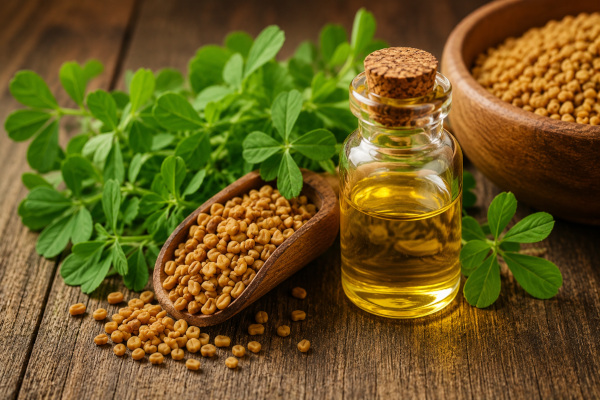
Fenugreek, known in India as methi and in Malayalam as uluva, is one of the finest examples of how Indian kitchens turned daily food into preventive medicine. Its Sanskrit name is Methika or Methini, and its botanical identity is Trigonella foenum-graecum Linn., belonging to the Fabaceae family. The Ayurvedic Pharmacopoeia of India describes Methi seed as the seed of an aromatic annual herb, about 30–60 cm tall, cultivated widely across India.
In Indian homes, fenugreek appears in many forms: as seeds in tempering, as fresh methi leaves in sabzi and paratha, as dried kasuri methi in curries, as soaked methi water in traditional routines, and as methi laddu in postpartum and winter foods. This is exactly the Indian food philosophy at work: a spice used in tiny quantities every day becomes a long-term support for digestion, metabolism, strength and seasonal balance.
Identification: How to Recognise Fenugreek
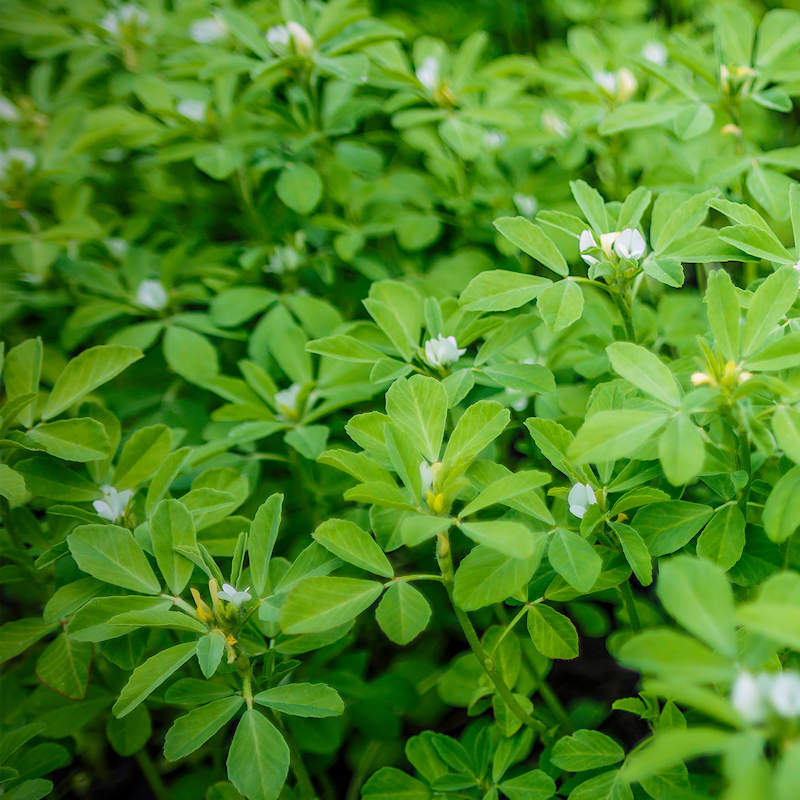
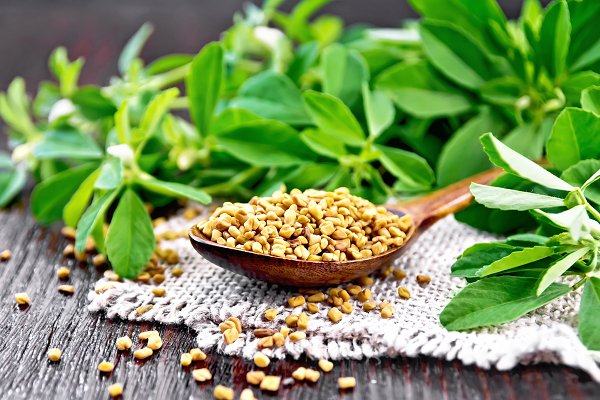
Fenugreek is a small annual herb with trifoliate leaves, meaning each leaf has three small leaflets. The plant has pale yellow to whitish flowers and slender pods containing hard yellow-brown seeds. The seeds are angular, slightly bitter, strongly aromatic and become mucilaginous when soaked in water.
The bitterness of methi is its signature. Ayurveda never treated bitterness as something unpleasant to be removed completely. Bitter foods were understood as cleansing, digestive, kapha-reducing and useful in small, intelligent quantities. This is why Indian cooking balances methi with ghee, cumin, garlic, hing, curd, jaggery, coconut or lentils, depending on the region.
Ayurvedic Nature of Fenugreek
In Ayurveda, Methika is valued mainly for its action on agni, digestion, kapha accumulation and vata-related stiffness. The Ayurvedic Pharmacopoeia records its properties and actions as Dipana, Kaphahara, Rucya and Vatahara. In simple terms, it supports digestive fire, helps reduce kapha, improves taste and appetite, and pacifies disturbed vata when used properly.
Its classical profile is generally understood as:
Rasa: Katu and Tikta — pungent and bitter
Guna: Snigdha — slightly unctuous
Virya: Ushna — heating
Vipaka: Katu — pungent post-digestive effect
Karma: Dipana, Rucya, Vatahara, Kaphahara
This makes methi especially suitable when digestion is dull, appetite is low, kapha is heavy, joints feel stiff, or the body needs warmth during cold and damp seasons. Its heating nature is also the reason it must be used carefully in people with excess pitta symptoms such as acidity, burning sensation, mouth ulcers or heat intolerance.
Fenugreek and Digestion
The first great use of fenugreek in Ayurveda is digestive support. Methi is Dipana, meaning it helps kindle digestive fire. This does not mean it should be consumed in large quantities. In Ayurveda, strong spices work best in small doses. A pinch of methi in dal, sambar, pickle, fish curry, vegetable stir-fry or kanji can make food more digestible and reduce heaviness after meals.
Fenugreek’s bitterness wakes up the palate, while its pungent warmth supports sluggish digestion. This is why methi is often combined with cumin, ajwain, dry ginger, black pepper or hing in traditional recipes. These combinations are not random. They show how Indian cuisine uses spices as digestive architecture, building a meal that nourishes without burdening the stomach.
Fenugreek for Vata and Joint Comfort
Methi has a special place in traditional home remedies for vata-related stiffness. In many Indian homes, especially during winter or after childbirth, methi is used in laddus, porridges and warm preparations with ghee. The idea is to bring warmth, lubrication and strength to the body.
Its Ushna virya and Vatahara action make it useful in food traditions where the goal is to reduce coldness, dryness and stiffness. Methi seeds roasted in ghee, powdered and added to food are a common household approach. In Kerala-style cooking, uluva is often used carefully in fish curry, pickles and medicinal kanji preparations, where its bitterness and warmth support digestion and balance the heaviness of other ingredients.
Fenugreek and Kapha Balance
Methi’s bitter-pungent nature makes it useful in kapha-heavy conditions of diet and lifestyle: heaviness, sluggishness, coating on the tongue, low appetite and excess mucus tendency. Traditional cooking uses methi in small amounts with heavier foods such as lentils, tubers, curd-based dishes or oil-rich preparations because it helps prevent the meal from becoming too dense.
This is where Ayurveda shows its genius. It does not only ask what a food contains. It asks how that food behaves inside the body. Methi is a spice that sharpens, warms and lightens the meal when used properly.
Fenugreek in Ayurvedic Formulations
The Ayurvedic Pharmacopoeia of India lists Methika as an official single drug and mentions important formulations such as Mustakarishta and Mritasanjivani Sura. It also records traditional therapeutic uses under categories such as Grahani, Jvara, Prameha and Aruchi, with a powder dose of 3–6 g under professional guidance.
Common Ayurvedic and traditional forms include Methika Churna, roasted methi powder, methi seed decoction, methi-infused oil for external use, methi laddu, methi kanji and fresh methi-leaf preparations. These should be understood as part of a broader Ayurvedic approach rather than as one-size-fits-all medicine. The same methi that helps one person may aggravate another if used in excess, especially when pitta is already high.
Methi Leaves: The Gentler Food Form
Fresh methi leaves are milder than the seeds and are excellent as a seasonal leafy vegetable. Methi leaves are used in paratha, dal, sabzi, thepla, adai, stir-fries and mixed vegetable dishes. They bring bitterness, aroma and digestive lightness to food.
Fresh methi is especially useful for people who cannot tolerate strong methi seed preparations. The leaves can be cooked with moong dal, coconut, garlic, sesame oil or ghee to soften their bitterness. In this form, methi becomes less like a medicine and more like a regular food that quietly supports digestion and appetite.
Methi Seeds: Stronger, Hotter and More Medicinal
The seed is more concentrated than the leaf. It is bitter, heating, dense and potent. Soaked methi seeds are commonly used in Indian households, but they should be used with awareness. A small quantity soaked overnight becomes softer and easier to chew. Roasting reduces some of the raw bitterness and makes the seed more suitable for powders.
Traditional uses include adding a few seeds to tempering, making methi powder with spices, using it in pickles, adding it to fermented batters in small amounts, and combining it with buttermilk or warm water in specific household practices. The key word is small. Methi works beautifully as a spice; it can become irritating when treated casually as a high-dose supplement.
Nutrition: Why Fenugreek Is More Than a Bitter Seed
Fenugreek seeds are nutritionally dense. USDA-linked nutrition data for 100 g of fenugreek seed lists about 323 kcal, 23 g protein, 58 g carbohydrate, 6.4 g fat, 24.6 g dietary fibre, 176 mg calcium, 33.5 mg iron, 191 mg magnesium and 770 mg potassium.
In normal cooking, nobody eats 100 g of methi seeds at once. Still, these numbers show why methi has been respected as a strengthening spice. It is rich in fibre and minerals, and its mucilaginous quality after soaking explains why it has been used traditionally for digestion and metabolic balance. Modern research has studied fenugreek for blood sugar and lipid-related effects, but agencies such as NCCIH note that many studies are limited in quality and stronger evidence is still needed.
Fenugreek and Prameha: Traditional Metabolic Wisdom
Ayurveda places Methika among substances traditionally used in Prameha, a broad classical category involving urinary and metabolic disorders. This is one reason methi has become famous in modern wellness circles for blood sugar support. But this point must be handled carefully.
Methi may support glucose metabolism in some people, mainly because of its fibre and bioactive compounds, but it is not a replacement for diabetes medication, medical diet planning or monitoring. People already taking diabetes medicines should be cautious because large doses of fenugreek may contribute to low blood sugar when combined with medication. NCCIH also notes that larger doses may cause side effects and should be approached carefully.
Fenugreek in Women’s Health Traditions
In many Indian regions, methi is part of postpartum food. Methi laddu, methi porridge and methi-ghee preparations are traditionally given after delivery, especially in colder seasons or where the mother needs warmth and strength. Ayurveda views this through the lens of vata pacification after childbirth.
However, pregnancy is different from postpartum care. Fenugreek in normal food quantities is common, but concentrated methi preparations, high-dose powders or supplements during pregnancy should be avoided unless guided by a qualified physician. NCCIH warns that children and pregnant women should not use fenugreek in amounts greater than those normally found in food.
Household Uses of Fenugreek
A few practical Indian food uses show how intelligently methi can be included:
For digestion: Add 5–8 methi seeds in tempering for dal, sambar, rasam or curry. This gives digestive warmth without making the dish too bitter.
For winter strength: Use a small quantity of roasted methi powder in laddus with ghee, nuts and jaggery. This is traditionally used as a strengthening seasonal food.
For leafy nutrition: Cook fresh methi leaves with moong dal, garlic and ghee for a simple digestive meal.
For pickles: Methi powder gives aroma, preservation support and digestive sharpness to mango, lemon and mixed vegetable pickles.
For Kerala cooking: Uluva is used in tiny quantities in fish curry, pulissery-style preparations, medicinal kanji and certain pickles, where it gives depth and bitterness.
Growing Fenugreek at Home
Fenugreek is one of the easiest medicinal foods to grow at home. Soak methi seeds overnight, scatter them in a shallow tray or pot, cover lightly with soil, and water gently. Within a few days, sprouts appear. In two to three weeks, the leaves can be harvested as microgreens or tender greens.
Home-grown methi is useful because the plant gives quick results in small spaces. A balcony tray can provide fresh greens for dal, paratha, salad garnish or stir-fry. This makes methi perfect for urban households that want a small kitchen garden with real medicinal value.
Who Should Use Fenugreek Carefully
Fenugreek is powerful. People with diabetes who are on medication should monitor sugar levels and consult a doctor before using methi as a daily therapeutic routine. Pregnant women should avoid high-dose methi preparations. People on blood thinners, those with chickpea or peanut allergy, and those prone to acidity or burning sensation should also use caution. NCCIH notes possible side effects such as digestive discomfort, nausea, low blood sugar at large doses, and safety concerns with higher-than-food amounts.
Conclusion: Methi Shows Why Indian Food Is Preventive Medicine
Fenugreek is a small seed with a large place in Indian civilisation. It is spice, food, medicine, postpartum support, digestive aid, winter strengthener and kitchen-garden plant. Ayurveda understood methi not as a fashionable supplement, but as a practical household dravya that works best when used with proportion, season, body type and cooking wisdom.
This is why Indian cuisine remains one of the world’s most intelligent food systems. A simple tempering of mustard, cumin, curry leaves, hing and methi is not only flavour. It is digestive design. A methi paratha is not merely breakfast. It is bitter greens entering daily life. A spoon of roasted methi in winter food is not superstition. It is the old Indian instinct that food should protect the body before disease arrives.
Fenugreek reminds us that Ayurveda does not always sit in rare herbs or expensive formulations. Sometimes it sits quietly in the spice box, waiting to be used with wisdom.
You may also like
-
Ayurveda and Late-Night Living: What Irregular Sleep Does to the Body
-
India’s Ayush Services Economy Reaches $36.92 Billion, RIS Study Projects Strong Growth to 2047
-
Daytime Sleep in Ayurveda: When It Helps and When It Harms
-
Ayurveda and Sleep: Understanding Nidra as a Pillar of Health
-
Government Says Social Security Coverage Now Reaches More Than 100 Crore Indians
