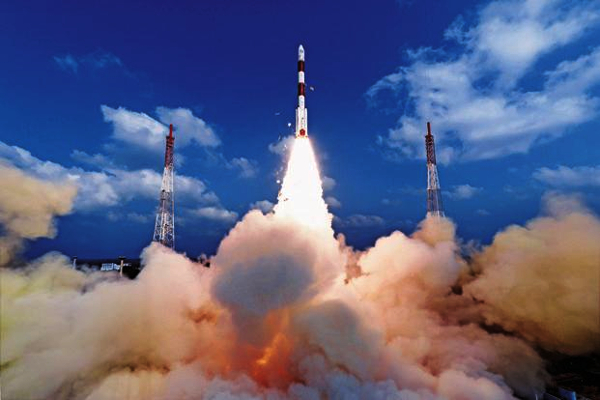
Chandrayaan-2 Launch: How ISRO Created Artificial Moon Surface to Test Rover, Lander
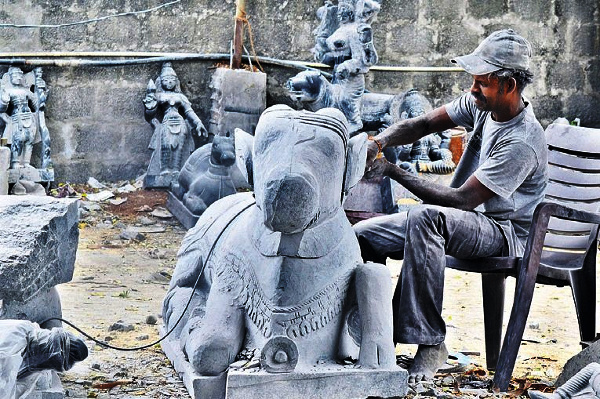
Many geologists had told ISRO that near Salem in Tamil Nadu there were “anorthosite” rocks that would be similar to features of moon soil or regolith.
News on Science, Technology and Research in India
Many geologists had told ISRO that near Salem in Tamil Nadu there were “anorthosite” rocks that would be similar to features of moon soil or regolith.
ITER — a project proving that fusion power can be produced sustainably on a commercial scale — is now 65 per cent ready.
Indian scientists have developed a comprehensive database of such chemicals belonging to a particular category known as endocrine disrupting chemicals or EDCs. These chemicals can interfere with hormones in human body, causing adverse health effects related to development, growth, metabolism, reproduction, immunity, and behaviour
Now researchers from Bengaluru-based National Center for Biological Sciences and Manipal Academy of Higher Education have found a way to visualise the muscles using Micro-level computed tomography (microCT) scanning.
The winners were chosen from over 2400 applicants who presented innovations that aim to bring large scale social impact and industrial transformation in the country. Each startup awardee gets a grant of Rs 25 lakh, while university teams get Rs 10 lakh each to further develop and mature technology solutions proposed by them.
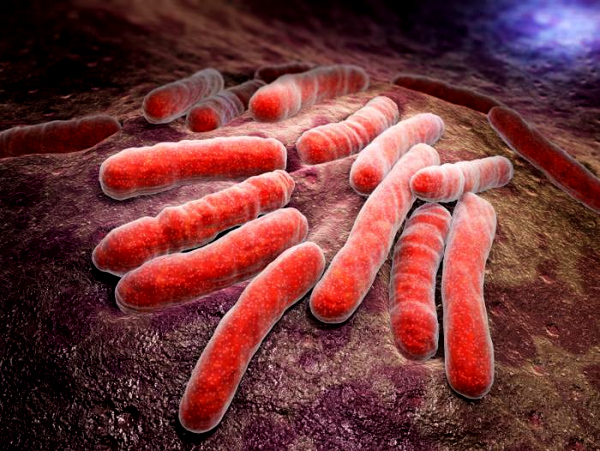
A team of researchers from Kolkata-based CSIR-Indian Institute of Chemical Biology, Bose Institute and Jadavpur University have figured out how tuberculosis bacterium is released from its reservoir inside the human body.
CHENNAI: Working overnight on the aborted Chandrayaan-2, the Indian Space Research Organisation (Isro) teams have
The launch was aborted as an “abundant precaution” after a technical snag was noticed in the launch vehicle systems after filling liquid hydrogen in the cryogenic upper stage of the rocket.
On Monday, Indian space scientists will take the first step towards reaching the Moon for the second time, but on a frugal budget of $141 million (Rs 978 crores), as compared with $660 million of Air Force One jet aircraft. In fact, the second lunar probe, Chandrayaan-2, costs less than the $165 million production budget Hollywood Sci-fi flick Interstellar.
Led by senior physicist Satish Ogale, the researchers also carried out similar tests using flax and basil seeds, in an effort to harvest power by a Triboelectric Nanogenerator (TENG) device.