Covid-19 Vaccine Candidates Designed by Researcher in India
The vaccine candidates are small coronaviral peptides, molecules used by cells to induce an immune response against the virus.
News on Science, Technology and Research in India
The vaccine candidates are small coronaviral peptides, molecules used by cells to induce an immune response against the virus.
A technology has been developed by an incubatee company of Scitech Park, Pune which offers an effective solution for India’s fight against Covid 19 by reducing the viral load of infected areas within a room significantly within an hour. The technology has been developed under the NIDHI PRAYAS program initiated by the Department of Science and Technology (DST).
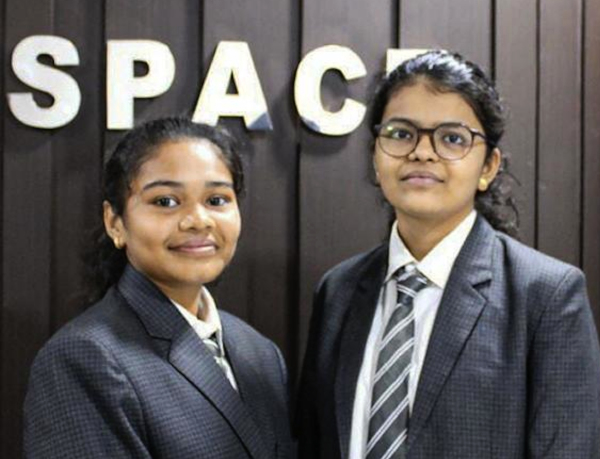
According to the duo, the power lies in electrifying water droplets to kill coronavirus. They invented a way to kill the virus using charged or ionised water droplets.
Minal boasts 10 years of experience in the diagnostic field, primarily in the area of molecular diagnostics of infectious diseases, diagnostic product development and R&D management functions. Bhosale has the experience of working on the swine flu disease at NIV, Pune, during the 2009 outbreak.
As the world races to find a cure for COVID-19, scientists from Hyderabad-based Tata Consultancy Services Innovation Labs-Hyderabad (Life Sciences division), using Artificial Intelligence, found 31 new promising chemical compounds, which they claim can be synthesised and tested further to find perfect drug to fight the dreaded disease.
Recipient of the INSPIRE Faculty Award instituted by Department of Science & Technology, Dr. Achintya Kumar Dutta from IIT Bombay along with his research group is working to develop new methods for quantum chemistry and implement them in efficient and free software to study electron attachment to aqueous DNA which has big implications in radiation therapy-based treatment of cancer.
International Advanced Centre for Powder Metallurgy & New Materials (ARCI), an autonomous R&D Centre of Department of Science and Technology (DST), has developed ultrafast laser surface texturing technology, which can improve the fuel efficiency of internal combustion engines.
The wheat variety developed by the ARI scientists group on Wheat improvement, shown high protein content of about 14.7%, better nutritional quality having zinc 40.3 ppm, and iron content of 40.3ppm and 46.1ppm respectively, good milling quality and overall acceptability.
According to Zoological Survey of India scientist Mukesh Thakur, the reference DNA database for existing populations of red pandas will aid conservation efforts and come in handy to combat illegal wildlife trade by helping law enforcement officials assign the seizure (of illegal wildlife trade derivatives) to the source of origin, which would aid prosecution.
A team of scientists from National Centre for Cell Science (NCCS) in Pune led by Dr. Amitabha Majumdar have been working to gain insights into this by studying the HTT gene in fruit flies. They observed that the pathogenic Huntingtin protein causes a decrease in the overall protein production in cells and that the Huntingtin clumps collect together (sequester) molecules of another protein called Orb2, which is involved in the process of protein formation.