India Readies the World’s First Safe Zone for Sea Cucumbers
The Lakshadweep administration has created the world’s first conservation area for sea cucumbers known as Dr. KK Mohammed Koya Sea Cucumber Conservation Reserve.
News on Science, Technology and Research in India
The Lakshadweep administration has created the world’s first conservation area for sea cucumbers known as Dr. KK Mohammed Koya Sea Cucumber Conservation Reserve.
A recipient of the INSPIRE Faculty Award instituted by the Department of Science & Technology(DST), Govt. of India. Dr. Ashish Kumar Mishra, Assistant Professor at the Indian Institute of Technology (BHU), Varanasi,along with his group, has made significant achievements in developing nanomaterials based supercapacitors to achieve high energy density and power density of supercapacitors.
Centre for Cellular and Molecular Biology (CCMB), Hyderabad has tied up with a Bengaluru-based company, Eyestem Research Private Limited, to take up research activities on COVID-19. Through this research collaboration, an attempt will be made to grow novel coronavirus in human cell lines, which will enable in vitro testing of potential drugs and vaccines against the COVID-19.
In the wake of evolving pandemic situation of COVID-19 outbreak in India, the Central Scientific Instruments Organisation (CSIR-CSIO), Chandigarh, has developed “Aerosol Restricting Canopy (ARC) for Dental Procedures – Safety ARC” in collaboration with the Oral Health Sciences Center (ORHC), PGIMER, Chandigarh, to assist dental procedures.
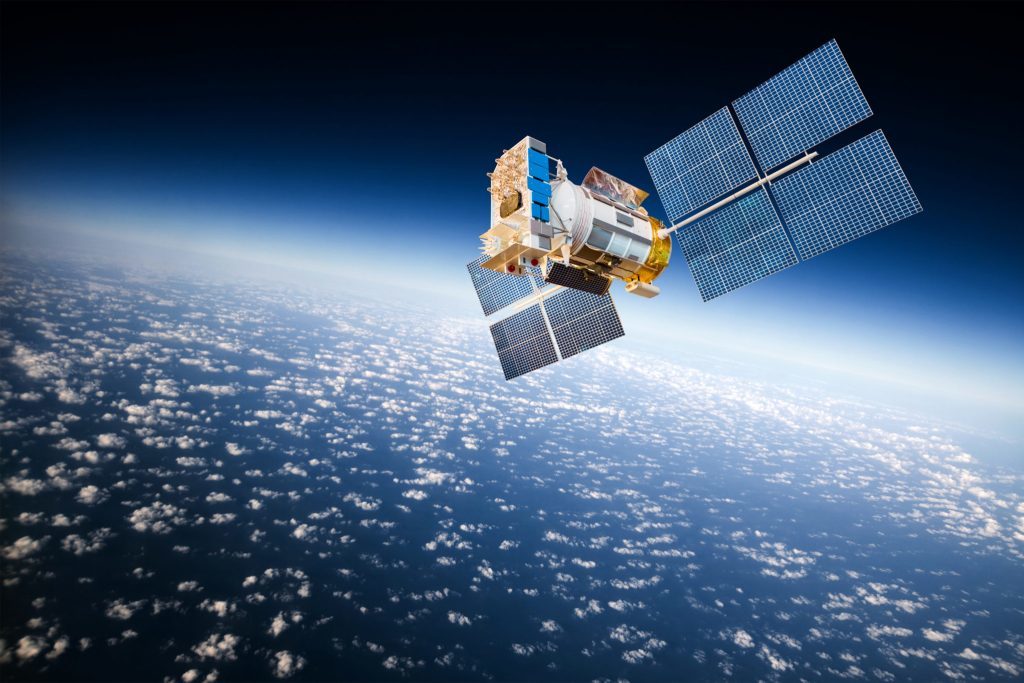
Scientists at the Indian Institute of Geomagnetism (IIG) an autonomous institution of the Department of Science and Technology have developed a generalized one-dimensional fluid simulation code capable of studying a wide spectrum of coherent electric field structures in near-earth plasma environment or earth’s magnetosphere which can be useful in planning of future space missions.
Scientists and students from Wadia Institute of Himalayan Geology (WIHG), an autonomous institute under the Department of Science &Technology,Govt. of Indiastudied rivers in Ladakh Himalaya, bringing out 35 thousand-year history of river erosion and identified hotspots of erosion and wide valleys that act a buffer zones.
Indian Institute of Technology Madras (IITM) said on Friday that its faculty and Padma Shri awardee T. Pradeep has been chosen for the Nikkei Asia Prizes 2020 in the ‘Science and Technology’ category.
Scientists at S. N. Bose National Centre for Basic Sciences, Kolkata (SNBNCBS) have developed a safe and cost-effective nanomedicine that promises treatment of a number of diseases by altering oxidative stress in the body. The research may provide a ray of hope in India’s fight against COVID-19, as the nanomedicine can decrease or increase reactive oxygen species (ROS) in our body, depending on the situation and cure the disease.
India’s gross expenditure in R&D has tripled between 2008 & 2018 driven mainly by Govt sector and scientific publications have risen placing the country internationally among the top few. This is as per the R&D Statistics and Indicators 2019-20 based on the national S&T survey 2018 brought out by the National Science and Technology Management Information (NSTMIS), Department of Science and Technology (DST).
Defence Institute of Advanced Technology, Pune, a deemed university supported by Defence Research and Development Organisation has developed a microwave steriliser named as ‘ATULYA’ to disintegrate (COVID-19). The virus gets disintegrated by differential heating in the range of 560 to 600 Celsius temperatures.