Research

News on Science, Technology and Research in India

Karnataka Unveils India’s First Quantum Ecosystem Map, Launches Phase-1 Quantum Roadmap

A quantum ecosystem is the full network that allows quantum science to grow into an industry. It includes universities doing advanced research, startups building hardware and software, large companies investing in use-cases, government funding and policy support, skilled talent pipelines, testing and fabrication infrastructure, and real-world sectors such as defence, healthcare, finance and communications that can use quantum technologies.

ANRF Unveils AI Outreach Push, Mission-Mode Programmes to Translate Research into Public Impact

According to the Ministry of Science and Technology, SARAL AI is being designed to convert technical research into podcasts, short videos, posters, business briefs, presentations and social media content in 18 Indian languages. The idea is to bridge the gap between laboratories and the public by presenting scientific outcomes in simpler formats that citizens can understand and use.

CARI Bengaluru Becomes First CCRAS Institute to Secure ISO 15189:2022 Accreditation

The accreditation confirms that CARI Bengaluru’s clinical laboratory meets globally accepted standards for accuracy, safety, and reliability in medical testing. According to the Ministry of Ayush, the laboratory now holds NABL accreditation for 50 test parameters and provides a wide range of services, including blood glucose, HbA1c, liver and kidney function tests, lipid and thyroid profiles, electrolyte analysis, and complete blood counts.

Indian Scientists Develop Temperature-Tunable Nanomaterials for Future Electronics

The research was carried out by a team from the Centre for Nano and Soft Matter Sciences (CeNS), Bengaluru, in collaboration with the Jawaharlal Nehru Centre for Advanced Scientific Research (JNCASR), both autonomous institutions under the Department of Science and Technology. The scientists studied naphthalene diimide, an amphiphilic molecule that can organize itself in water through supramolecular self-assembly, forming nanostructures with functional properties relevant to electronics, photonics and biomedical devices.

Scientists Develop Frog-Inspired Brain-Like Sensor That Responds to Humidity

The work was carried out by researchers at the Jawaharlal Nehru Centre for Advanced Scientific Research, an autonomous institute under the Department of Science and Technology. Unlike many existing neuromorphic systems that depend on separate sensing and memory components, this device integrates sensing, synapse-like processing and temporary information storage in one platform, drawing inspiration from the way biological sensory systems operate.

New Study Offers India A Clearer Scientific Window Into The Origins Of Farming In The Ganga Plain

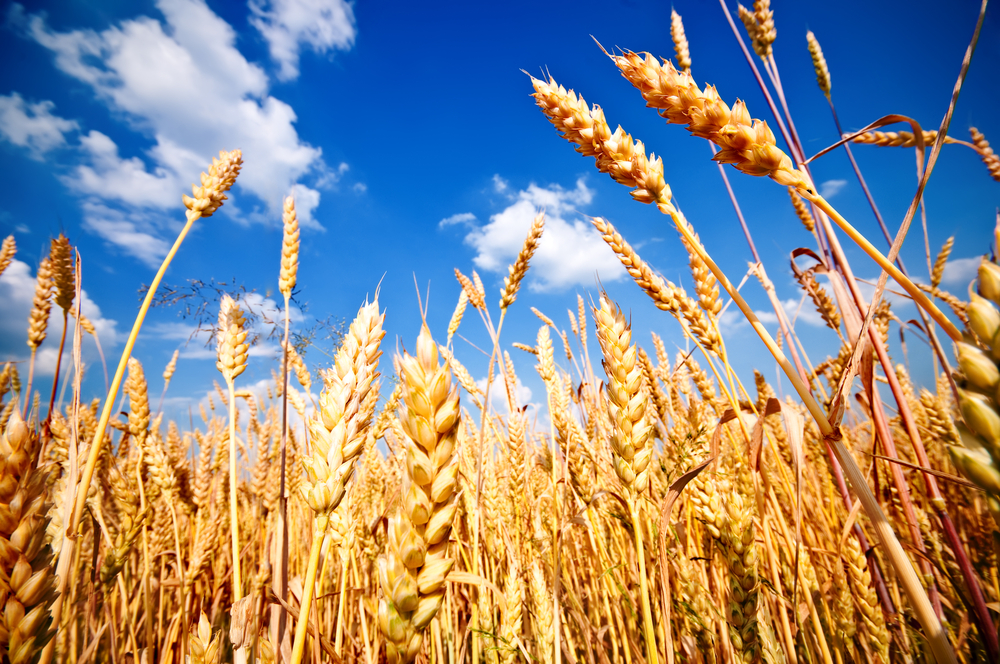
The research addresses a long-standing challenge in palaeoecology and archaeology. Cereal crops such as wheat, rice, barley and millets belong to the grass family, and their pollen often looks very similar to that of wild grasses under a microscope. Because pollen preserved in sediments can reveal patterns of cultivation, deforestation and settlement across the Holocene period, the ability to reliably separate crop pollen from wild grass pollen is crucial for understanding ancient land use and human activity.