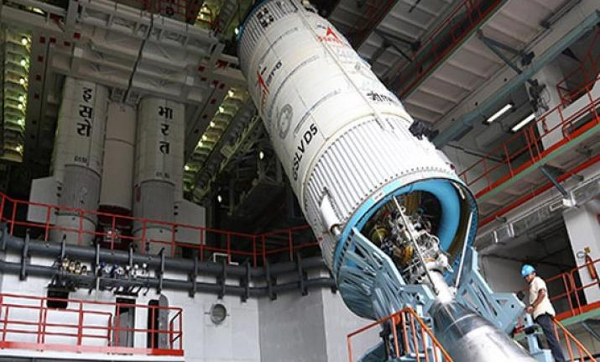
Chandrayaan 2: ISRO Pinpoints GSLV-MkIII Leak to ‘Nipple Joint’ of Cryo Engine
CHENNAI: Working overnight on the aborted Chandrayaan-2, the Indian Space Research Organisation (Isro) teams have
News on Science, Technology and Research in India
CHENNAI: Working overnight on the aborted Chandrayaan-2, the Indian Space Research Organisation (Isro) teams have
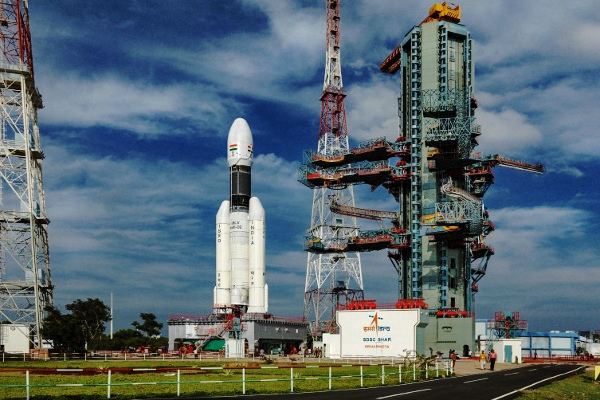
The launch was aborted as an “abundant precaution” after a technical snag was noticed in the launch vehicle systems after filling liquid hydrogen in the cryogenic upper stage of the rocket.
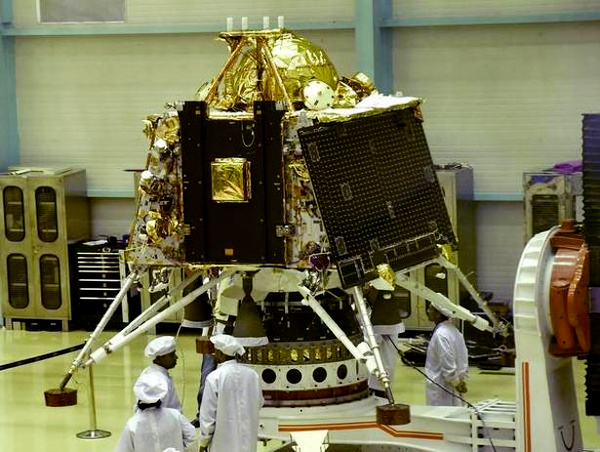
On Monday, Indian space scientists will take the first step towards reaching the Moon for the second time, but on a frugal budget of $141 million (Rs 978 crores), as compared with $660 million of Air Force One jet aircraft. In fact, the second lunar probe, Chandrayaan-2, costs less than the $165 million production budget Hollywood Sci-fi flick Interstellar.
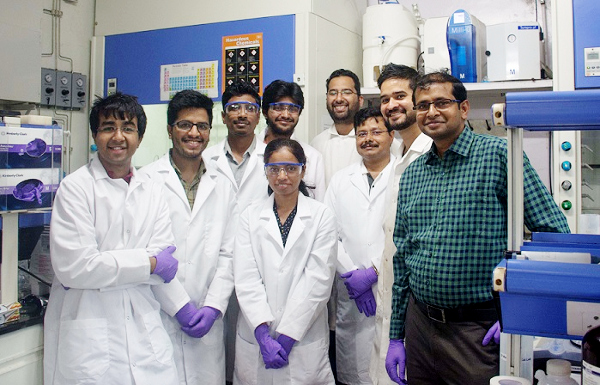
Led by senior physicist Satish Ogale, the researchers also carried out similar tests using flax and basil seeds, in an effort to harvest power by a Triboelectric Nanogenerator (TENG) device.
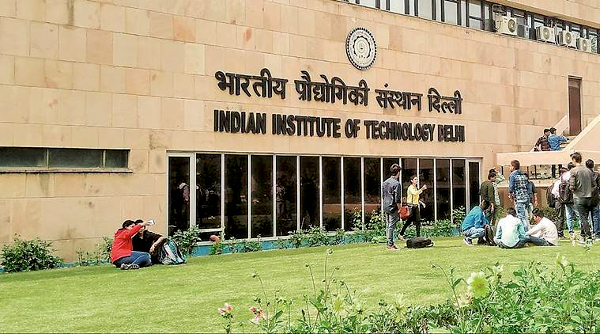
As per news report, in the meeting, it was directed that the ministry wants a core team with members from IITs, the defence and space sectors to be constituted to leverage the expertise of these IITs and Indian Institutes of Information Technology (IIITs).
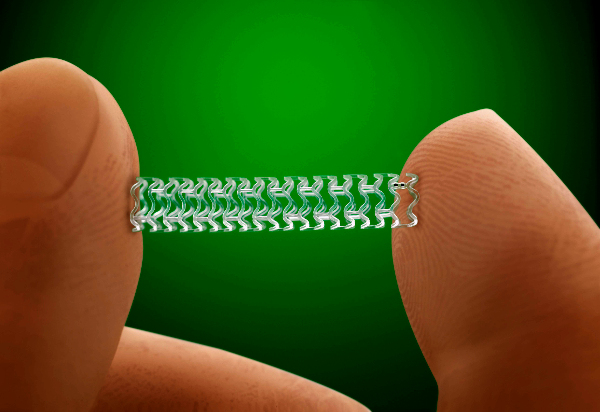
To minimise such stent-related complications, a group of Indian researchers has developed a dual drug delivery therapy. Laboratory tests have shown that the drug combination can inhibit the growth of muscle cells and prevent clotting at the stent site. Moreover, the drugs are loaded into a flexible polymer which eliminates problems that occur during crimping and implantation of stents.
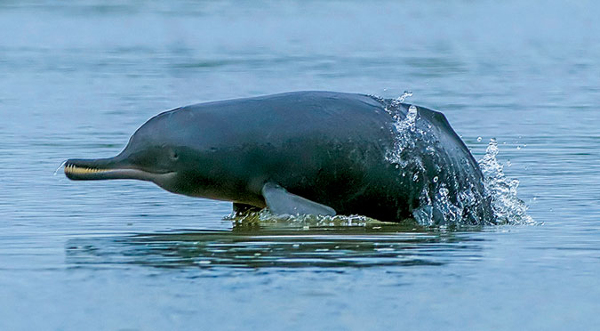
According to Gopal Sharma, a senior scientist at the Zoological Survey of India (ZSI), the population of the endangered Gangetic river dolphins was stable along nearly 1,000 km stretch of the Ganga and its two major tributaries, Gandak and Ghaghra.
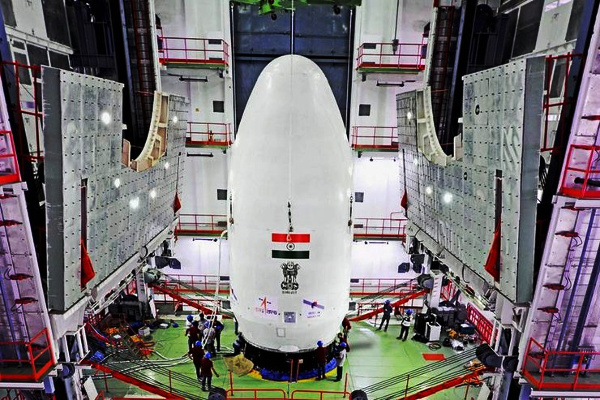
While ISRO officials call the 640-tonne GSLV Mk III rocket as ‘fat boy’, the Telugu media nicknamed it ‘Bahubali’, as like the hero in the successful film lifts a heavy Lingam, the rocket will carry the 3.8-tonne Chandrayaan-2 spacecraft.
black gold also has the ability to absorb both light and carbon dioxide, something traditional gold can’t do. And by absorb light, we mean it’s capable of absorbing both visible light and the near-infrared radiation from the Sun as well, making it perfect for use in high-efficiency solar panels.
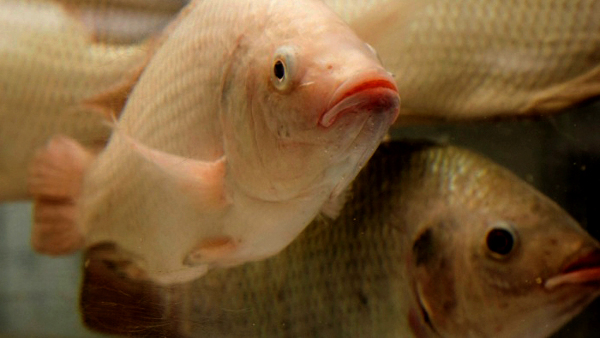
The aquaculture system can act as a source of additional income for farmers located even in low water availability areas, helping them double their income.