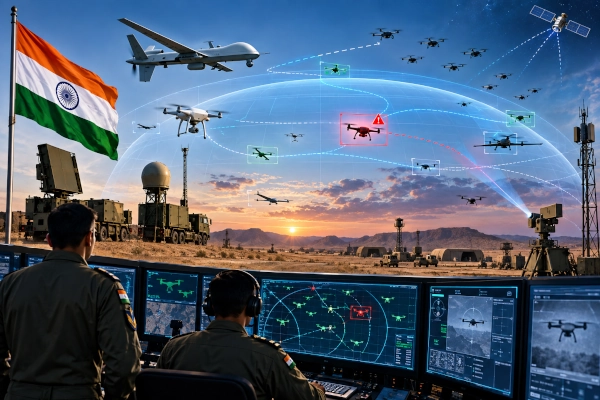
IAF Unveils Vayu UTtaM to Manage Drone-Dense Airspace and Identify Rogue UAS
The Indian Air Force has demonstrated an indigenously developed unmanned traffic management system designed to
News on Indian Economy
The Indian Air Force has demonstrated an indigenously developed unmanned traffic management system designed to
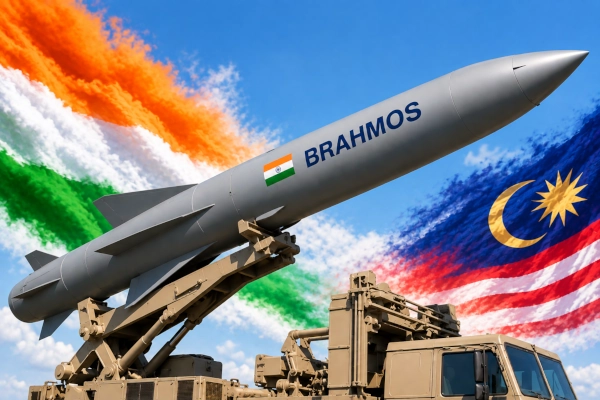
Malaysian Prime Minister Anwar Ibrahim confirmed the discussions on September 13, 2026, a day after meeting Prime Minister Narendra Modi on the sidelines of the BRICS Summit in New Delhi. Anwar said the two leaders had discussed the missile and acknowledged that initial-level discussions had already taken place, while stressing that Malaysia had not yet made a final procurement decision.
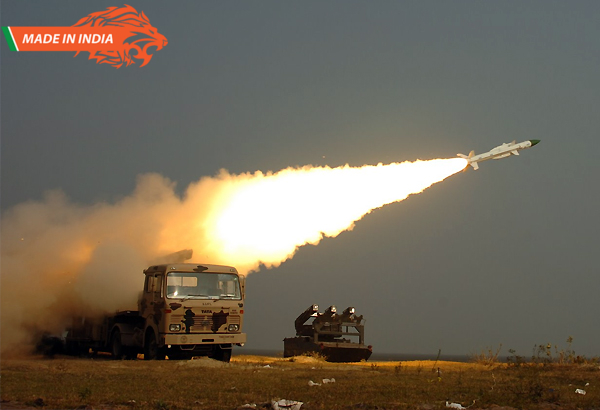
The significance of the exercise lies in the nature of the targets involved. Rather than restricting the trials to conventional aircraft or unmanned aerial vehicles, the IAF used precision stand-off weapons as aerial targets, testing whether its ground-based air-defence systems could respond to relatively compact, fast-moving weapons approaching defended installations.
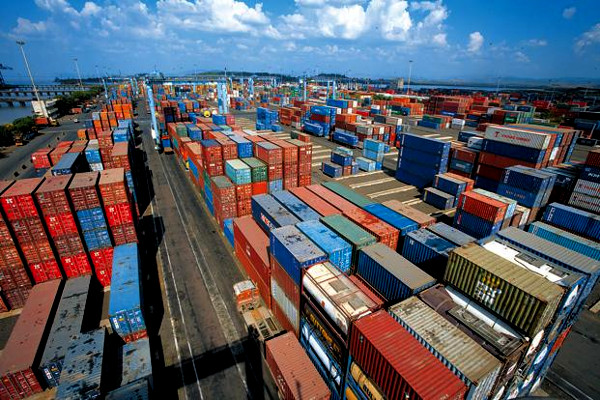
The expansion came during a month in which India’s overall merchandise exports climbed to $43.81 billion, compared with $34.74 billion in August 2025. Combined merchandise and services exports were estimated at $82.68 billion, representing year-on-year growth of 25.41%.
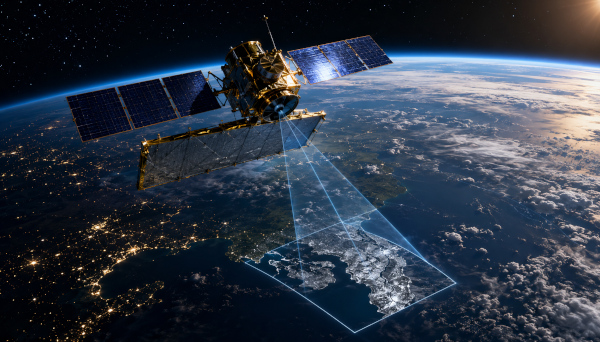
The two companies signed a Memorandum of Understanding during Bengaluru Space Expo 2026. The agreement is intended to combine GalaxEye’s expertise in multi-sensor Earth Observation with Safran’s capabilities in space systems, testing infrastructure and mission-critical technologies.
Bharat Forge announced the collaboration on September 15, saying the two companies would work together to assess the suitability and integration requirements of Pratt & Whitney Canada’s propulsion technology for the indigenous unmanned aircraft.
Union Minister for Youth Affairs and Sports Mansukh Mandaviya announced the formation of the panel on September 15. The task force will be headed by Yugal Kishore Joshi, Programme Director and Adviser at NITI Aayog, and has been asked to examine the policy, taxation, infrastructure and operational issues involved in hosting major international motorsport events in India.
Imports also increased during the month, but at a slower pace than exports. Combined merchandise and services imports were estimated at $92.09 billion, compared with $77.55 billion a year earlier, representing growth of 18.75%. As a result, the overall trade deficit for August narrowed to $9.41 billion, from $11.62 billion in the corresponding month last year.
Othisis attracted wider attention in August 2026 after successfully hot-firing a 5-kilonewton liquid-oxygen-and-methane rocket engine manufactured extensively through metal additive manufacturing. The engine produced a reported total impulse of 100 kN·s, incorporates regenerative cooling and uses a modular pintle injector. The company plans to use the propulsion technology first in a reusable flight demonstrator and later within its broader launch-vehicle programme.
The India Free Trade Agreement legislation was passed on September 16 by a vote of 93 to 29, according to the New Zealand Government. Trade and Investment Minister Todd McClay said the parliamentary approval demonstrated broad support for the agreement and moved New Zealand closer to implementing the trade commitments negotiated with India.