Make in India

Othisis Systems: The Bengaluru Startup Building 3D-Printed Methalox Engines and Reusable Rockets in India

Othisis attracted wider attention in August 2026 after successfully hot-firing a 5-kilonewton liquid-oxygen-and-methane rocket engine manufactured extensively through metal additive manufacturing. The engine produced a reported total impulse of 100 kN·s, incorporates regenerative cooling and uses a modular pintle injector. The company plans to use the propulsion technology first in a reusable flight demonstrator and later within its broader launch-vehicle programme.

CarbonCraft Design Turns Industrial Carbon and Construction Waste Into Building Materials

CarbonCraft’s approach combines materials engineering with traditional Indian craftsmanship. The technology determines how difficult waste streams can be processed and incorporated into stable construction materials, while artisans manufacture and finish products that can be used as visible architectural surfaces. This combination allows the company to approach waste recycling not merely as an environmental service but as a source of commercially usable building products.

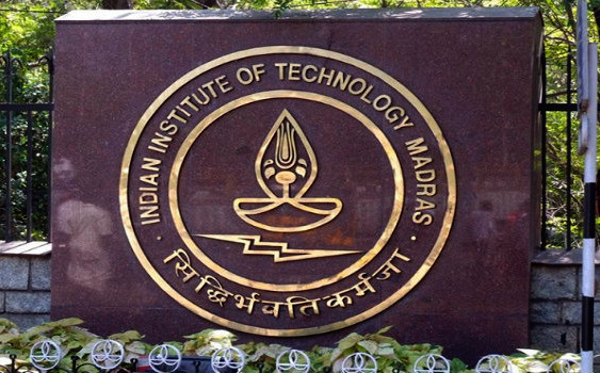
IIT Madras Develops Morphing Wing Technology to Improve Aircraft Stall Performance

The technology has reached Technology Readiness Level 3, meaning the underlying concept has been demonstrated experimentally but remains well short of a production-ready aircraft system. IIT Madras has nevertheless moved the invention into its technology-transfer portfolio and is offering it for licensing, indicating that the research is now being positioned for possible industrial development.

DRDO Develops SWiFT-K High-Speed Stealth Kamikaze Drone as India Expands Indigenous Strike-UAV Programme

The two SWiFT-K prototypes have reportedly completed High-Speed Taxi Trials at the Aeronautical Test Range at Challakere. These trials are an important step before flight testing because they allow engineers to examine acceleration, braking, steering, ground stability, structural behaviour and flight-control responses as the aircraft approaches take-off speed.

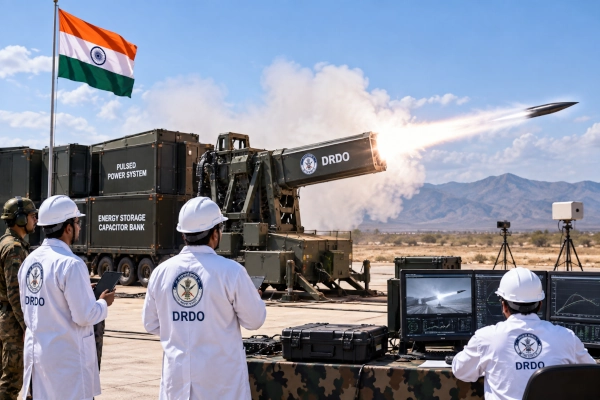
DRDO’s Electromagnetic Railgun: India Pushes Towards a New Generation of Long-Range Kinetic Weapons

The significance of the programme lies not simply in producing another artillery system. A mature electromagnetic gun could eventually occupy the space between conventional long-range artillery and expensive guided missiles, delivering high-velocity kinetic projectiles over considerable distances without depending upon the large chemical propellant charges required by traditional guns.

Categories