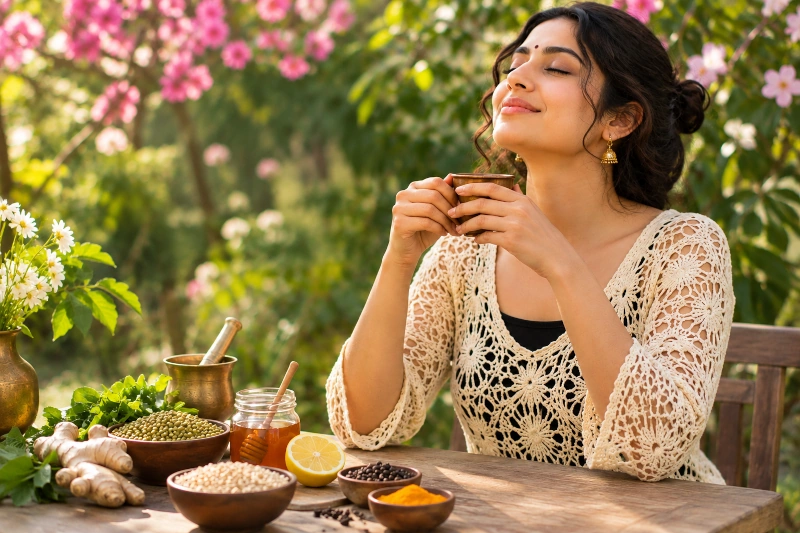
Spring represents a period of renewal and transition, during which the cold and relative inactivity of winter gradually give way to warmer temperatures, increased daylight and renewed activity. In Ayurveda, this seasonal transition is known as Vasanta Ritu, a period traditionally associated with the aggravation of Kapha Dosha. The dietary and lifestyle practices recommended during this season focus on supporting digestion, reducing excessive heaviness and encouraging physical activity.
Ayurveda recognises that human physiology responds to changes in the natural environment. Foods and routines that provide nourishment and strength during winter may become unsuitable as temperatures rise and seasonal conditions change. Through the principles of Ritucharya, or seasonal living, Ayurveda encourages individuals to adapt their daily habits to maintain balance and support overall well-being.
Understanding Vasanta Ritu in Ayurveda
Vasanta Ritu is traditionally associated with the Hindu lunar months of Chaitra and Vaishakha, corresponding approximately to March through May, although seasonal conditions vary considerably across India. Classical Ayurvedic texts describe spring as a period during which Kapha accumulated during winter becomes aggravated under the influence of increasing warmth. This seasonal change is traditionally associated with reduced digestive efficiency, physical heaviness and increased respiratory discomfort.
Kapha Dosha embodies the qualities of stability, lubrication, nourishment and structural integrity. In its balanced state, Kapha contributes to physical strength, endurance and emotional steadiness. When its heavy, cool, moist and sluggish qualities become excessive, Ayurveda associates it with lethargy, congestion, reduced appetite and a tendency towards inactivity.
The objective of spring Ritucharya is not to eliminate Kapha but to maintain its beneficial functions while addressing seasonal aggravation. This is achieved through appropriate dietary choices, regular movement and daily routines that favour warmth, lightness and activity.
The Relationship Between Spring, Kapha and Agni
Agni, the Ayurvedic concept of digestive and metabolic capacity, occupies a central position in seasonal health. Classical Ayurveda describes spring as a period during which aggravated Kapha may interfere with the normal functioning of Agni. Consequently, continuing the heavy and nourishing dietary practices of winter may contribute to digestive discomfort and a persistent sense of fullness.
Ayurveda also describes Ama as a product of incomplete digestion within its traditional physiological framework. Seasonal dietary adjustments are intended to support Agni and reduce conditions traditionally associated with Ama formation. These concepts belong to the Ayurvedic understanding of health and should not be equated directly with modern medical diagnoses or measurable biological toxins.
Spring therefore provides an opportunity to gradually transition towards lighter meals, moderate physical activity and more regular eating habits. The emphasis is on supporting comfortable digestion rather than undertaking extreme fasting or restrictive cleansing programmes.
Recognising Signs of Seasonal Kapha Aggravation
Within the Ayurvedic framework, seasonal Kapha aggravation may manifest as increased sleepiness, sluggishness, reduced appetite, abdominal heaviness and a general reluctance to engage in physical activity. Some individuals may also experience nasal congestion, increased mucus production or a feeling of heaviness in the head. These experiences are traditionally understood as expressions of Kapha’s predominant qualities during spring.
However, similar symptoms may arise from seasonal allergies, respiratory infections, sleep disorders or other medical conditions. Persistent fatigue, recurrent congestion, breathing difficulties or unexplained changes in appetite should receive appropriate medical evaluation. Seasonal Ayurvedic practices can complement general health maintenance but should not replace necessary medical care.
Lightening the Diet During Spring
The classical Ayurvedic approach to spring nutrition emphasises foods possessing Laghu (light), Ruksha (dry) and moderately warming qualities. Such foods are traditionally considered helpful in balancing the heavy and moist characteristics of aggravated Kapha. The transition towards a lighter diet should be gradual, ensuring that the body continues to receive adequate nourishment, protein and energy.
Barley (Yava), green gram (Mudga), millets and appropriately prepared rice can form the foundation of balanced spring meals. Cooked leafy vegetables, gourds, radishes and seasonal greens provide dietary variety without requiring excessively rich preparations. Light vegetable soups, mildly spiced lentils and freshly prepared meals are generally more suitable than heavily fried, oily or sugar-rich foods.
The intention is not to deprive the body of nourishment but to adjust the quality and quantity of food according to appetite, activity levels and individual constitution. People engaged in strenuous physical work, growing children, pregnant women and older adults may require different nutritional approaches.
Emphasising Pungent, Bitter and Astringent Tastes
Ayurveda identifies six fundamental tastes, known as Shad Rasa, each associated with particular effects on the Doshas. During spring, greater emphasis is traditionally placed on pungent (Katu), bitter (Tikta) and astringent (Kashaya) tastes because they are considered to counterbalance Kapha’s heavy, moist and cool qualities. These tastes can be incorporated through ordinary culinary ingredients rather than concentrated herbal preparations.
Ginger, black pepper, mustard seeds, cumin and turmeric can be used in moderate quantities to enhance the flavour of meals. Fenugreek leaves, bitter gourd and other seasonal greens provide bitter tastes, while green gram and several other pulses contribute astringent qualities. Together, these ingredients offer opportunities to prepare varied, nourishing meals consistent with traditional seasonal recommendations.
Excessively pungent foods should nevertheless be avoided, particularly by individuals experiencing acidity, reflux or digestive irritation. Ayurvedic dietary guidance recognises the importance of individual tolerance, and seasonal recommendations should not override personal nutritional requirements or existing medical advice.
Foods to Reduce During Vasanta Ritu
Heavy, excessively sweet, oily and rich foods are traditionally considered less suitable during spring because their qualities may reinforce those associated with Kapha. Frequent consumption of deep-fried snacks, elaborate desserts, sugar-rich beverages and large quantities of rich dairy preparations may contribute to feelings of heaviness and digestive discomfort. Ayurveda recommends moderation rather than unnecessary elimination of entire food groups.
Refrigerated foods and excessively cold beverages are also traditionally discouraged during this season. Freshly prepared meals served at comfortable temperatures are preferred because they are considered more supportive of Agni within the Ayurvedic framework. Regular meal timings and appropriate portion sizes remain equally important, as overeating can cause discomfort regardless of the season.
The dietary transition should remain practical and nutritionally balanced. Seasonal lightness can be achieved through simpler cooking methods, moderate portions and greater inclusion of vegetables and pulses without compromising essential nutritional needs.
Traditional Use of Honey During Spring
Honey, known as Madhu in Ayurveda, receives particular attention in classical discussions of Kapha management. Traditional texts describe honey as possessing drying and Lekhana qualities, associating it with the reduction of excessive heaviness within the Ayurvedic framework. It is therefore included in certain classical dietary recommendations for Vasanta Ritu.
Small quantities of honey may be incorporated into an otherwise balanced diet, provided individual health conditions permit its consumption. Ayurveda traditionally advises against heating honey or adding it to very hot preparations. This is a classical dietary recommendation rather than an established modern toxicological finding.
Honey remains a source of dietary sugar and should be consumed in moderation, particularly by individuals managing diabetes or blood glucose levels. It should never be given to infants below twelve months of age because of the risk of infant botulism. Its inclusion during spring should be viewed as optional rather than essential to seasonal health.
Supporting Kapha Balance Through Physical Activity
Regular physical activity, known as Vyayama, occupies an important place in the Ayurvedic recommendations for Vasanta Ritu. Spring is traditionally considered a favourable period for increasing movement after the relatively cold conditions of winter. Appropriate exercise helps counter physical inactivity while supporting cardiovascular health, muscular strength and overall well-being.
Brisk walking, cycling, swimming, moderate resistance training and yoga can be incorporated according to individual fitness levels. Traditional yoga practices such as Surya Namaskara may also provide a structured combination of movement, flexibility and breathing. Physical activity during the cooler hours of the morning can be particularly comfortable as daytime temperatures begin to rise.
Exercise should remain proportionate to age, physical condition and environmental circumstances. Ayurveda emphasises moderation and discourages exertion beyond individual capacity. Adequate hydration, recovery and rest remain essential components of a sustainable exercise routine.
Udvartana: Traditional Dry Powder Massage
Udvartana is a traditional Ayurvedic external therapy involving massage with finely powdered herbal preparations. Classical Ayurvedic texts associate this practice with reducing Kapha-related heaviness and supporting physical lightness. Unlike the generous application of oils commonly associated with winter Abhyanga, spring routines traditionally place greater emphasis on dry or relatively less oily external practices.
Gentle dry powder massage may provide a form of skin exfoliation and sensory stimulation when performed appropriately. However, vigorous rubbing or unsuitable herbal ingredients can irritate the skin, particularly in individuals with eczema, allergies or sensitive skin. Any preparation used should therefore be selected according to individual tolerance.
Udvartana should not be promoted as a proven method for eliminating body fat, removing toxins or treating metabolic disorders. Its appropriate place is within the broader context of traditional Ayurvedic personal care, alongside balanced nutrition, physical activity and adequate rest.
Maintaining Healthy Sleep and Daily Routines
Spring Ritucharya traditionally discourages excessive daytime sleeping because Ayurveda associates it with increased Kapha. Maintaining a consistent waking time, obtaining adequate nighttime sleep and remaining physically active during daylight hours can help establish a more structured daily routine. Exposure to morning daylight may also support the body’s natural sleep-wake cycle.
Ayurveda recommends beginning the day with personal hygiene, appropriate movement and activities that encourage alertness. A regular schedule can help individuals avoid the prolonged inactivity and irregular eating habits sometimes associated with seasonal transitions. Nevertheless, adequate rest should not be sacrificed in an attempt to counter Kapha.
Individuals recovering from illness, working night shifts or experiencing particular health conditions may require additional rest during the day. Seasonal recommendations must therefore accommodate personal circumstances rather than being applied as inflexible rules.
Managing Respiratory Comfort During Spring
Spring often brings changes in airborne pollen, dust and other environmental allergens. Within Ayurveda, nasal congestion and increased mucus production are traditionally associated with aggravated Kapha, although modern medicine identifies specific immunological and environmental mechanisms underlying seasonal allergies. Recognising this distinction allows traditional seasonal practices to coexist with appropriate medical care.
Maintaining clean living spaces, reducing exposure to known allergens and drinking adequate fluids may help support respiratory comfort. Saline nasal irrigation can also be useful for some individuals when performed using sterile, distilled or previously boiled and cooled water. Traditional breathing exercises may promote relaxation and respiratory awareness when practised gently.
Individuals experiencing asthma, persistent allergic symptoms or breathing difficulties should continue prescribed treatment and seek medical advice when necessary. Forceful breathing techniques and unprescribed nasal herbal preparations should not be used as substitutes for established respiratory care.
Ayurvedic Seasonal Cleansing and Professional Guidance
Classical Ayurvedic texts describe spring as a season during which certain therapeutic procedures may be considered for individuals experiencing significant Kapha aggravation. Among these procedures is Vamana, a specialised therapeutic intervention described within the Panchakarma system. Its inclusion in classical Ritucharya reflects Ayurveda’s emphasis on seasonally appropriate clinical management.
Vamana is not a routine household wellness practice and must never be attempted through self-induced vomiting. It carries potential risks, including dehydration, electrolyte disturbances and aspiration, and requires careful clinical assessment. Its suitability depends on numerous factors involving constitution, age, health status and contraindications.
For most healthy individuals, ordinary seasonal adjustments involving diet, exercise and regular daily routines provide a more accessible approach to spring wellness. Any specialised Ayurvedic therapeutic intervention should be considered only under the supervision of appropriately qualified healthcare professionals.
A Practical Ayurvedic Daily Routine for Spring
A balanced spring routine can begin with waking at a consistent time, completing personal hygiene and engaging in moderate physical activity. Breakfast may be light but nourishing, incorporating foods such as vegetable preparations, green gram or appropriately prepared grains. Warm or room-temperature drinking water can be consumed according to personal comfort and hydration requirements.
Lunch can remain the principal meal of the day, combining grains, pulses, seasonal vegetables and moderate culinary spices. An appropriately sized evening meal, prepared using simpler cooking methods, may help avoid digestive discomfort before bedtime. Individuals should adjust meal quantities and timing according to appetite, health requirements and daily energy expenditure.
Regular movement throughout the day, adequate exposure to natural daylight and a consistent nighttime sleep schedule can complement these dietary practices. Rather than introducing numerous restrictive measures simultaneously, gradual and sustainable adjustments are more likely to become lasting habits.
Adapting Spring Ritucharya to India’s Diverse Climatic Conditions
India’s geographical diversity means that spring is experienced differently across regions. Northern India may experience a distinct transition from winter to warmer weather, while coastal and southern regions often encounter rising temperatures and humidity much earlier. Mountainous areas may continue to experience relatively cold conditions even when the plains have entered warmer seasonal phases.
Ayurveda acknowledges the importance of Desha, or geographical environment, alongside Kala, the influence of time and season, and Prakriti, individual constitution. These principles encourage seasonal practices that respond to actual environmental conditions rather than relying exclusively on fixed calendar dates. An individual living in humid Kerala may therefore require a different spring routine from someone residing in the Himalayan region.
As temperatures increase towards summer, excessively warming foods and strenuous outdoor exercise may gradually become less appropriate. Seasonal living involves recognising these changes and adjusting dietary and lifestyle practices without abrupt or unnecessary restrictions.
Embracing Spring as a Season of Renewal
Vasanta Ritu offers an opportunity to reconsider the dietary richness, physical inactivity and daily habits carried forward from winter. Through lighter meals, appropriate exercise, regular sleep and mindful seasonal adjustments, Ayurveda provides a traditional framework for maintaining balance during this period of transition. Its recommendations emphasise preserving the beneficial qualities of Kapha while addressing excessive heaviness and sluggishness.
The enduring relevance of Ritucharya lies in its recognition that health is influenced by the relationship between individuals and their surrounding environment. By adapting food, movement and daily routines to seasonal conditions, individuals can cultivate greater awareness of their physical needs. Spring thus becomes an opportunity to embrace moderation, renewed activity and sustainable habits that support well-being throughout the year.
Classical Ayurvedic References
- Charaka Samhita, Sutra Sthana, Chapter 6 — Tasyashitiya Adhyaya: Seasonal Regimen and Vasanta Ritucharya.
- Ashtanga Hridaya, Sutra Sthana, Chapter 3 — Ritucharya Adhyaya: Seasonal Dietary and Lifestyle Practices.
- Ashtanga Hridaya, Sutra Sthana, Chapter 2 — Dinacharya Adhyaya: Daily Regimen, Vyayama and Udvartana.
- Charaka Samhita, Sutra Sthana, Chapter 26 — Atreyabhadrakapyiya Adhyaya: Ayurvedic Classification and Properties of Tastes.
- Sushruta Samhita, Sutra Sthana, Chapter 6 — Ritucharya Adhyaya: Seasonal Influences on Health and the Doshas.
Disclaimer: This article presents classical Ayurvedic principles for educational and general wellness purposes. Ayurvedic concepts such as Dosha, Agni and Ama belong to a traditional medical framework and are not equivalent to established biomedical mechanisms. Individual dietary changes and therapeutic interventions should consider existing health conditions, nutritional requirements and professional medical advice.
You may also like
-
Ayurveda During Winter: Food, Oil Massage and Strength-Building
-
Ayurveda During the Monsoon: Protecting Agni and Immunity
-
India Inaugurates First Dedicated Human Metabolic Chamber at CMC Vellore
-
ICMR’s SAMPADA Survey Reports Lower Anaemia Prevalence Across India
-
Ayurveda During Summer: Cooling Without Weakening Digestion
