Kautilya

Does Agnihotra Homa Offer Protection from Corona Virus?

The name Agnihotra gained widespread attention soon after the Bhopal Gas Tragedy in 1984 when it was found that four or five families living near the Bhopal railway station remained unaffected by the poisonous gas that surrounds them. Seeing the inevitable staring at them the families decided to stay back and do Agnihotra Homa. And wonder of wonders they were the sole survivors in that part of the city affected by the leaking gas.

After LMGs, Indian Army will Soon Get Close-Quarter-Battle Carbines

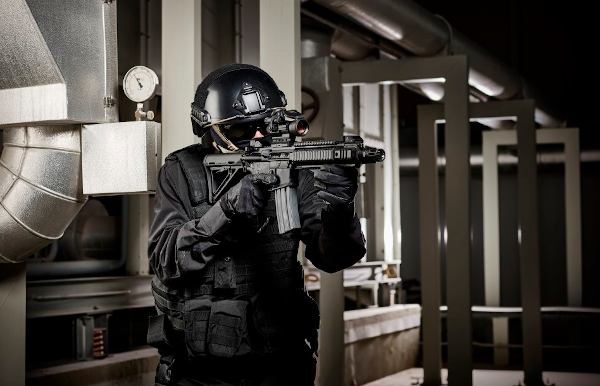
With the deal for the Light Machine Guns (LMG) in place, the Indian Army is now waiting for the close-quarter-battle carbines (CQB). “A decision is expected by later this month. It is now close to fifteen months since the UAE based Caracal Company was declared L1 after extensive trials for a $ 553.33 million. The Oversight Committee has already submitted its report the Ministry of Defence (MoD),” confirmed a senior officer on condition of anonymity.

Supply of Body Coveralls from Indigenous Manufacturers Commenced

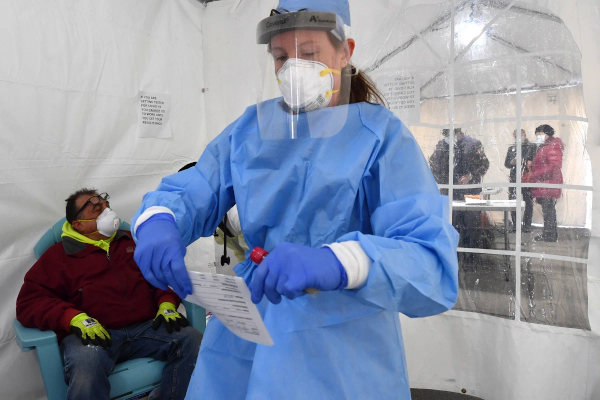
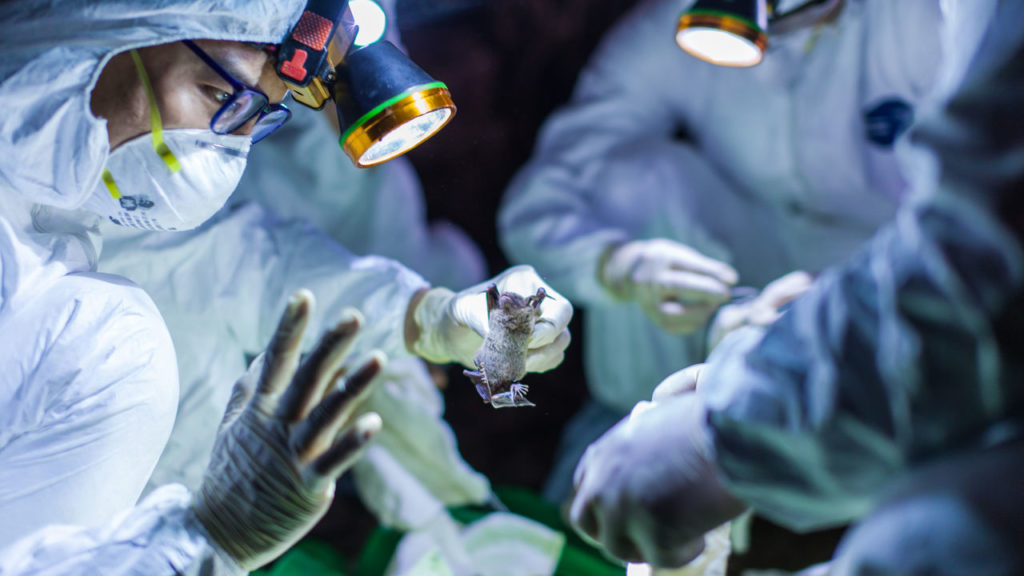
Prototype garments of six Indian manufacturers have passed the prescribed tests conducted at SITRA, and two more manufacturers are forthcoming as on date. In addition, more and more manufacturers have been invited to offer their prototype samples, and come forward to meet the requirement of the government.

A Key Cellular Mechanism in Huntington Disease Unravelled by Indian Researchers

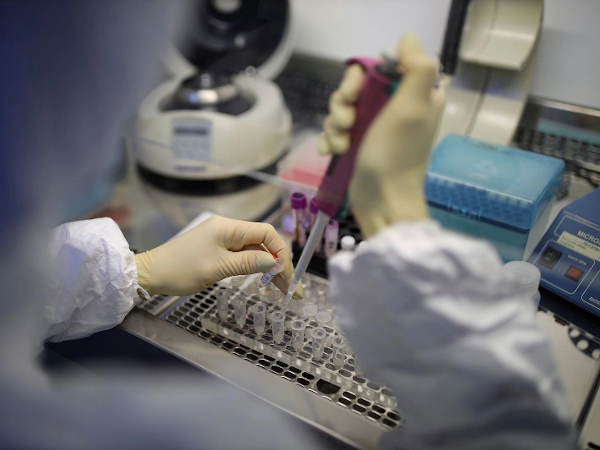
A team of scientists from National Centre for Cell Science (NCCS) in Pune led by Dr. Amitabha Majumdar have been working to gain insights into this by studying the HTT gene in fruit flies. They observed that the pathogenic Huntingtin protein causes a decrease in the overall protein production in cells and that the Huntingtin clumps collect together (sequester) molecules of another protein called Orb2, which is involved in the process of protein formation.

Indian Navy will Consider Subs by the Kilo

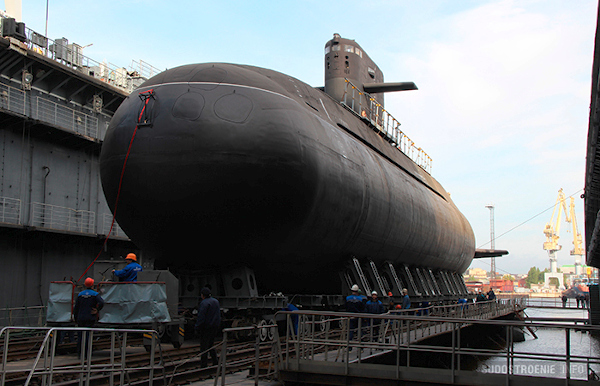
Russia has communicated an offer of selling three old Kilo-class hulls for the Indian Navy to tide over its shortfall of conventional submarines. The $1.8 billion “three plus three” arrangement bundles refits of three of India’s Kilo-class submarines with an additional three old Russian navy Kilo-class hulls.