Kautilya

India Implements Over 40,000 Reforms in a Decade to Strengthen Ease of Doing Business

Speaking at the Vibrant Gujarat Global Summit 2027 Curtain Raiser in New Delhi on 31 August 2026, Department for Promotion of Industry and Internal Trade Secretary Amardeep Singh Bhatia said state governments had undertaken more than 40,000 reforms during the preceding decade, describing Gujarat as one of the front-runners in carrying them out. He emphasised that improving the business environment has increasingly become a cooperative exercise involving both the Centre and the states.

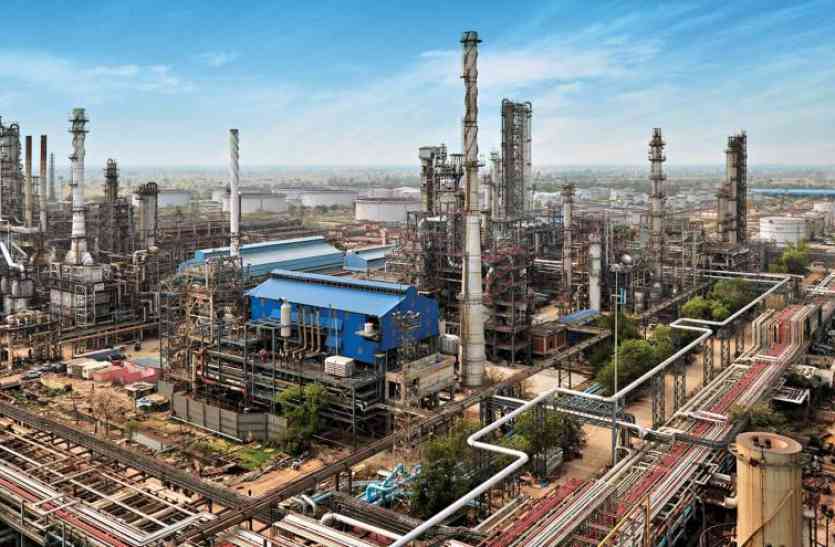
India’s Refining Powerhouse: How a Crude-Oil Importer Became a Bigger Fuel Exporter

The scale of this achievement is visible in the latest international petroleum statistics. According to OPEC’s Annual Statistical Bulletin 2026, India exported approximately 1.386 million barrels per day of petroleum products during calendar year 2025. That volume placed India ahead of major Middle Eastern petroleum producers including Kuwait, the United Arab Emirates, Qatar, Iran, Iraq and Bahrain in refined-product exports.

Himachal Plans Early Warning System at 4,070-Metre Ghepan Glacial Lake to Counter GLOF Risk

The system is planned for installation in September 2026 through the Centre for Development of Advanced Computing, Thiruvananthapuram, subject to final approval from the National Disaster Management Authority. Lahaul-Spiti Deputy Commissioner and District Disaster Management Authority Chairman Kiran Bhadana said the system would continuously monitor the lake’s water level and other critical parameters and transmit information in real time.

Indian Scientists Decode Mustard’s Self-Rejection Genes to Develop Higher-Yield Oilseed Hybrids

The study, conducted by scientists from IIT Gandhinagar and the ICAR-Directorate of Rapeseed-Mustard Research at Bharatpur, examined two commercially important Brassica rapa varieties — toria and yellow sarson. By combining molecular genetics, controlled pollination experiments and artificial intelligence-based protein-structure analysis, the researchers characterised four important genes involved in determining whether a mustard flower accepts or rejects its own pollen.