Kautilya

First India-Manufactured Negev LMGs Delivered to Army

The Negev is now being manufactured at the Adani Group’s facility in Gwalior after the group took over PLR Systems, which had long served as IWI’s Indian small-arms partner. The handover has been described as part of the technology transfer and indigenisation process aligned with India’s self-reliance push in defence manufacturing.

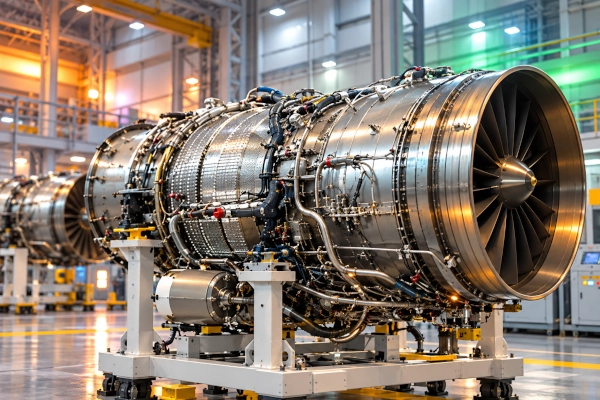
India’s Push for an Indigenous Armoured-Vehicle Engine Family Could Reshape Its Tank and ICV Fleet

At the lower end, engines in the 400–600 HP class are typically relevant for lighter specialist combat vehicles, support variants and some protected mobility platforms. The 700–1000 HP band is more aligned with infantry combat vehicles and upgraded legacy tracked platforms. The 1200–1500 HP class is where future main battle tanks and heavier combat vehicles become practical, particularly when armies seek high mobility without sacrificing armour, electronics or larger turrets.

Green Ammonia Agreements Mark Big Step in Decarbonising India’s Fertilizer Sector

The move is important because India’s phosphatic and potassic fertilizer production, including DAP and NPK variants, still relies heavily on imported ammonia. According to the PIB release, India currently produces around 165–170 lakh metric tonnes of P&K fertilizers, but volatility in global ammonia markets and geopolitical disruptions have affected both availability and prices. By locking in green ammonia supplies through long-term contracts, the government is trying to create a more stable input pipeline for domestic fertilizer manufacturing.

Malwan Delivered to Indian Navy, Marking Progress in Indigenous Coastal Anti-Submarine Capability

Designed and constructed in India by CSL to the Navy’s requirements and in accordance with DNV classification rules, Malwan represents a purpose-built platform for a mission area that is becoming steadily more important in the Indian maritime environment. In an era of expanding submarine activity, contested sea spaces, and growing infrastructure security concerns, shallow-water anti-submarine vessels fill a critical niche by operating effectively in coastal zones where larger warships may be less optimised.

Shachi Launch Signals Fresh Momentum in Indian Navy’s Offshore Patrol Fleet Modernisation

The launch is significant not merely because it is the first ship of a new class, but because it represents the next step in a wider effort to strengthen the Navy’s offshore and constabulary capabilities through domestically built platforms. According to the Ministry of Defence, the 11-vessel NGOPV programme is being executed concurrently at two shipyards — Goa Shipyard Ltd. in Goa and Garden Reach Shipbuilders & Engineers in Kolkata — underlining both industrial scale and distributed shipbuilding capacity within India’s defence ecosystem.

India Leads World In Nagoya Protocol Compliance Certificates, Underlining Push On Biodiversity Governance

They are meant to ensure that biological resources used in research, innovation, and commercial applications are accessed lawfully and that the benefits arising from such use are shared fairly with the provider country. The certificates therefore sit at the heart of the global access-and-benefit-sharing framework, which seeks to balance scientific and commercial use of biodiversity with equity and sovereign rights over biological resources.

Ghatak UCAV: Inside India’s Stealth Unmanned Combat Aircraft Programme

The roots of Ghatak go back to the older AURA concept—short for Autonomous Unmanned Research Aircraft—which emerged as India’s attempt to build a stealthy strike UCAV rather than just a surveillance drone. A 2016 Lok Sabha reply the Ministry of Defence stated that a proposal for the UCAV “Ghatak” programme and the development of a gas turbine engine for it had been submitted through official channels after review by a high-power committee chaired by the Principal Scientific Adviser.