Kautilya

PM Modi, Biden Cement Plan to Jointly Monitor Space Objects

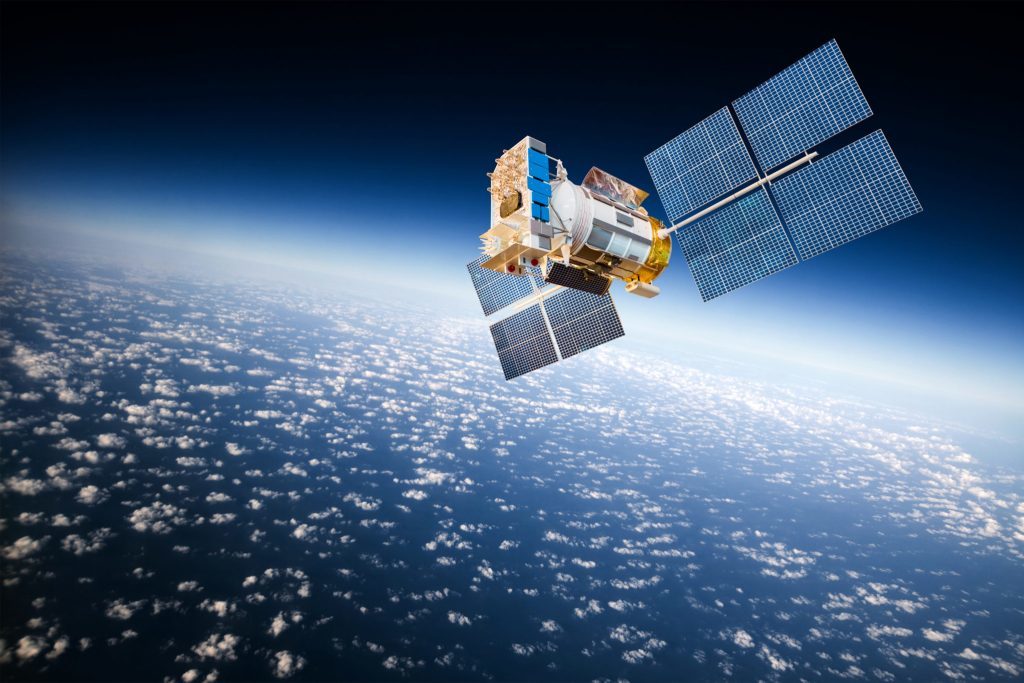
Though Isro and Nasa have been cooperating on separate missions like synthetic aperture radar satellite NISAR project and Chandrayaan-1, this is the first time both the countries have decided to jointly work on a framework for SSA, which involves tracking space objects both natural like meteors and man-made such as satellites. SSA involves collating data on orbiting satellites, rocket parts and space debris and monitoring threats to a country’s space assets from any hostile satellite and analysing such data to convert them into actionable information to deal with such threats.

ISRO is Considering Developing A Next-Generation Astronomical Satellite to Follow Up on its AstroSat Mission

ISRO’s first mission dedicated for astronomy, AstroSat, launched on 28 September 2015 with its design life of five years, on Tuesday completed six years of its operation. “It (AstroSat) is expected to last some more years”, A S Kiran Kumar who as the then Chairman of ISRO led the mission team, and is presently serving as the chair of the apex science committee at the space agency, told PTI. “We can expect some more results to come which will be path-breaking”, he said.

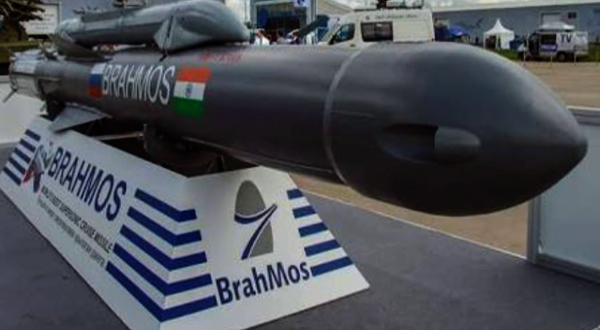
BrahMos Gets 200th Set of Airframes for Supersonic Cruise Missile

Each airframe of the BrahMos missile consists of 138 complicated sub-assemblies that are manufactured from more than 1,500 parts. The BrahMos missile is a stealth universal supersonic cruise missile that can be launched from ships, submarines, aircraft, and land-based platforms. It can be used for a precision strike to destroy targets on land and sea.

Carbon Clean Captures CO2 from Tata Steel Blast Furnace

Carbon Clean’s technology, consisting of a modular carbon capture skid, has been installed at Tata Steel’s Jamshedpur steel plant in India. The facility is capturing 5 t/d of CO2 from the blast furnace. The captured CO2 is reused onsite for a variety of applications such as for water treatment. Tata Steel plans that scaled-up facilities in the future will be able to use captured CO2 to produce methanol and other value-added products.

IIT-Hyderabad Researchers Find Alternative to Corneal Transplantation

Capable of being injected owing to its two phases (liquid and gel) based on the incubation temperature, they explored its potential to serve as a material for minimally invasive treatment to replace complicated surgeries. Until now, no solution is available to prevent corneal scarring following an injury. They demonstrated, for the first time, that this hydrogel can be applied immediately after injury which helps to regenerate the cornea without scarring. Until now, no treatment is available other than partial donor corneal graft or corneal transplantation for scarring, which is already present in the visual acuity.

Large-Scale Reactor Developed for Cost-Effective Production of Hydrogen Using Sunlight and Water

The INST team has been working in this area of photocatalytic water splitting to generate hydrogen for quite some time now. “The energy crisis and ever-threatening climate crisis urged us to work on this promising way of hydrogen production through photocatalytic water splitting. The stability and chemical flexibility of having different organic groups in carbon nitrides triggered us to work on these cost-effective organic semiconductor materials for sustainable hydrogen production,” added Dr. Kamalakannan.