Kautilya

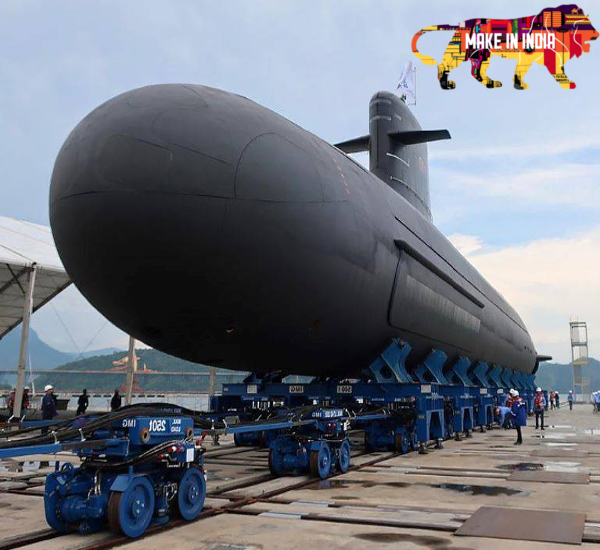
Indian Navy to Commission INS Khanderi Attack Submarine on September 28, Stealth Frigate to be Launched into Sea

INS Khanderi displaces 1,615 tonnes on surface and 1,775 tonnes when submerged. The 67.5 metres long INS Khanderi is powered by four MTU 12V 396 SE84 diesel engines and 360 battery cells and can remain on patrol for 50 days at a stretch at a depth of 350m. The submarine will have eight officers and 35 sailors. It will be armed with 18 SUT torpedoes which can be fired from six tubes, sea-skimming Exocet anti-ship missiles. It can also carry 30 anti-ship mines in place of torpedoes.

India to Spend A Whopping $130 Billion for Military Modernisation in Next 5-7 Years

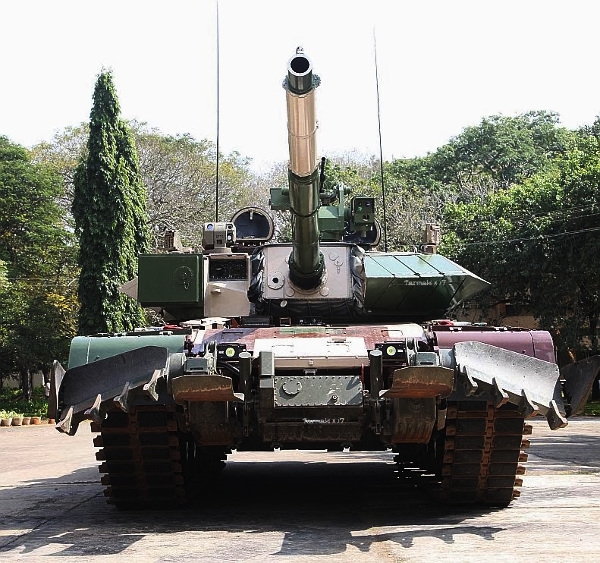
Official sources said the government has decided on a broad plan to speed up modernisation of the Army, Navy and the Air Force under which a range of critical weapons, missiles, fighter jets, submarines and warships will be procured in the next few years. The armed forces have been pushing for adequate allocation of funds so that they are well prepared to deal with the possibility of a “two-front” war on both northern and western borders.

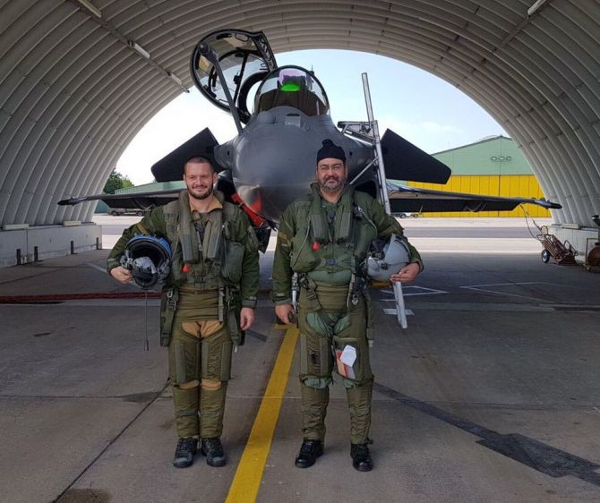
IAF’s Golden Arrows Squadron, Led by Air Chief Dhanoa During Kargil War, to be Resurrected for Rafale

IAF Chief B S Dhanoa will resurrect the 17 squadron at an event on Tuesday at the Ambala Air Force Station as it prepares to receive the Rafale jets, official sources said. The ‘Golden Arrows’ 17 Squadron was commanded by Air Chief Marshal Dhanoa during the Kargil war in 1999. The squadron was formed in 1951, and initially it flew de Havilland Vampire F Mk 52 fighters.

DRDO Developing New Rifle-Launched Grenade for Forces

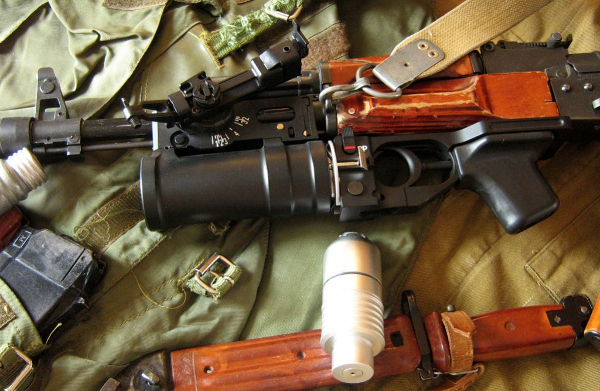
The grenade is being developed by the Armament Research and Development Establishment. At present, the Army is using two calibers of weapon-launched grenades. The 30 mm, which is fired from a heavy, tripod-mounted automatic grenade launcher, and the 40 mm variant that is fired from a UBL or MGL. Two types of UBLs—one designed by the DRDO is integrated with the rifle’s firing mechanism and a Russian variant that has its own trigger—are in use.

Nano-Chip Made from Laboratory Waste can Help in Diagnosis of Diseases – Scientists from IIT Guwahati

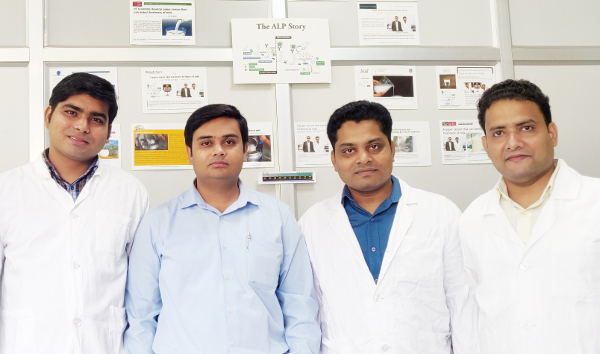
The nano-chip fabricated by team of scientists from the Indian Institute of Technology-Guwahati is enzyme-free and can be used for hydrogen peroxide detection. Researchers used peroxidase activity of gold to detect hydrogen peroxide, and plated gold on indium tin oxide plate which is used for performing scanning electron microscopy in laboratories but discarded after one use.

Not Just Apache AH-64E, Indian Air Force Has Some of the Best Helicopters in the World – A Look

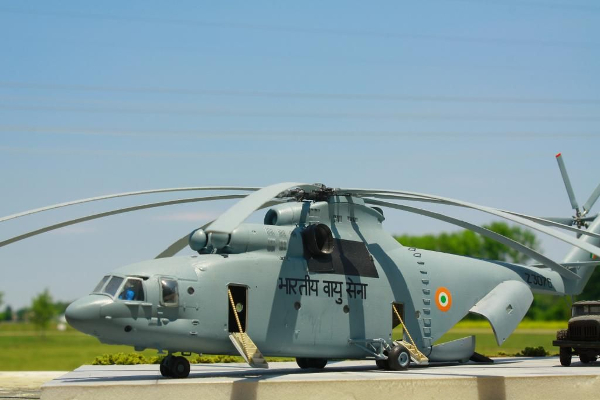
The IAF’s helicopter fleet has steadily been increasing over the past few years and the highlight, of course, is the recent addition of Boeing-made Apache AH-64E attack helicopters. Apart from these, the Indian Air Force also has medium and heavy lift helis that not only transport the Prime Minister of the country but also helps in rescue operations during natural disasters.

Kaspersky to Set Up Data Centre, Transparency Facility in India Next Year

Talking to reporters on the sidelines of a conference focussed on the security for the healthcare sector here, Stephan said India, actually, was considered as a top-2 prospective location for APAC’s first Transparency Centre. “We recently set it up in Kaula Lumpur (Malayasia). But the new upcoming Indian policy on cyber security would require us to invest on a facility to store and process the data that we generate locally,” he said.