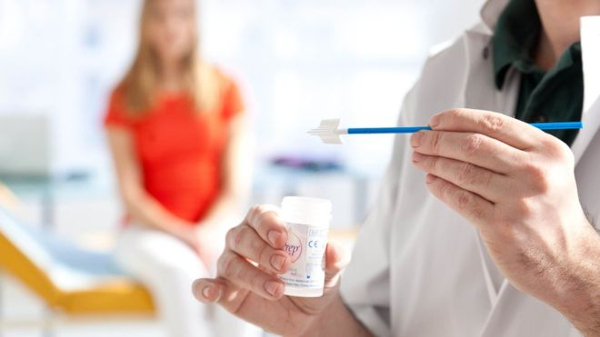
India has administered more than one crore doses of the Human Papillomavirus (HPV) vaccine under its National HPV Vaccination Campaign in less than nine months, marking a significant milestone in the country’s efforts to prevent cervical cancer. The Ministry of Health and Family Welfare announced the achievement on 21 November 2026, reporting that the programme has reached nearly 87% of its identified annual target population of approximately 1.2 crore girls.
Launched in February 2026, the nationwide campaign provides free, voluntary, single-dose HPV vaccination to eligible 14-year-old girls at designated government healthcare facilities, with parental consent. The programme forms part of India’s broader preventive healthcare strategy, focusing on reducing HPV infections associated with cervical cancer and strengthening adolescent healthcare services.
Six States Achieve 100% Vaccination Coverage
Six states have achieved 100% coverage of their identified target populations under the campaign: Gujarat, Uttar Pradesh, Andhra Pradesh, Mizoram, Madhya Pradesh and Bihar.
Uttar Pradesh leads in the number of beneficiaries vaccinated, with more than 29.33 lakh girls, followed by Bihar with over 13.70 lakh and Gujarat with over 7.75 lakh.
Other states have also recorded substantial progress. Assam has achieved 95.63% coverage, Telangana 95.28%, Karnataka 93.16% and Uttarakhand 90.17%. Chhattisgarh and Rajasthan have crossed the 80% mark, recording 86.21% and 85.23%, respectively.
Kerala has recorded 77.02% coverage, followed by Tamil Nadu at 76.12% and Odisha at 74.90%. These figures highlight the campaign’s progress across states with different population sizes and healthcare delivery conditions.
HPV Vaccination and Cervical Cancer Prevention
Human Papillomavirus is a group of viruses that includes several high-risk types associated with cervical cancer. Persistent infection with high-risk HPV types causes the vast majority of cervical cancer cases.
HPV vaccination is an important preventive intervention because it protects against targeted HPV types before exposure to the virus. Administering the vaccine during adolescence helps establish protection at an age preceding potential exposure.
The World Health Organization recognises HPV vaccination as a central component of comprehensive cervical cancer prevention. Vaccination is complemented by cervical cancer screening, early diagnosis and timely treatment, which remain important throughout women’s healthcare.
According to the Ministry, more than 800 million HPV vaccine doses have been administered worldwide. Nearly two decades of scientific research and real-world experience have established the effectiveness of HPV vaccination in preventing targeted infections and associated precancerous conditions.
U-WIN Platform Strengthens Vaccination Monitoring
Digital infrastructure has played an important role in implementing the nationwide programme. The U-WIN platform supports beneficiary registration, vaccination monitoring, digital records and vaccination certificate generation.
Parents and guardians can use the platform to obtain information, book vaccination slots and access digital certificates. Health authorities can monitor coverage at district level, identify eligible girls who have not yet received vaccination and plan targeted outreach activities.
The programme is implemented through designated government healthcare facilities, including primary health centres, community health centres, district hospitals and government medical colleges.
Vaccination sessions are conducted under the supervision of trained Medical Officers, with arrangements linking vaccination facilities to 24-hour healthcare services for the assessment and management of rare adverse events following immunisation.
Centre-State Coordination Drives Nationwide Implementation
The campaign’s progress reflects coordination between the Union Ministry of Health and Family Welfare, state governments, Union Territory administrations, district health authorities and frontline healthcare personnel.
Accredited Social Health Activists (ASHAs), Auxiliary Nurse Midwives (ANMs), school teachers and medical professionals have contributed to awareness generation, parental engagement and beneficiary mobilisation.
The government has also emphasised science-based public communication to address questions about vaccine safety and effectiveness. State-specific outreach strategies have helped extend vaccination services to rural, urban, remote and geographically challenging areas.
The use of digital monitoring alongside local healthcare networks has strengthened programme management and helped identify areas requiring additional attention.
India Advances Towards Wider Cervical Cancer Prevention
Crossing one crore administered doses represents a significant achievement in India’s efforts to expand preventive healthcare among adolescent girls. With nearly 87% of the identified annual target cohort covered, the programme is continuing its efforts to reach the remaining eligible beneficiaries.
Parents and guardians of eligible 14-year-old girls can approach designated government healthcare facilities or use the U-WIN platform to obtain information and access vaccination services.
By combining free vaccination, digital monitoring, trained medical supervision and nationwide healthcare coordination, India is expanding access to an important cervical cancer prevention intervention. Sustained vaccination coverage, supported by screening and early diagnosis, will contribute to improving women’s health and reducing the future burden of cervical cancer.
You may also like
-
Ayurveda and Seasonal Allergies: Adjusting Lifestyle Through the Year
-
Ayurveda and Hair Health: Daily Habits Beyond Oils and Herbs
-
Government Awards Ayush Quality Mark Certificates to Hospitals and Manufacturers to Strengthen Quality Standards
-
Ayurveda and Skin Health: The Role of Food, Sleep and Routine
-
Ayurveda for Eye Health in the Digital Age
