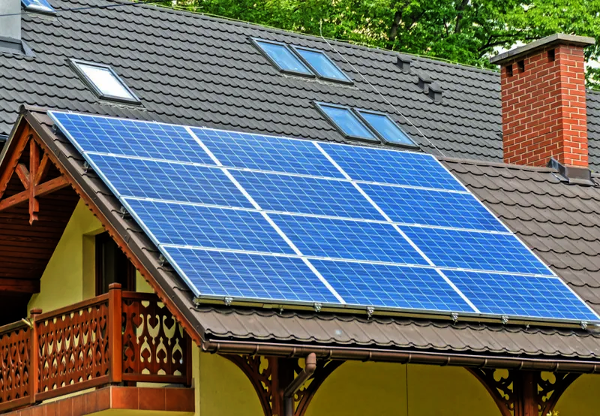
India has crossed 65 lakh rooftop solar installations under the PM Surya Ghar: Muft Bijli Yojana, marking a significant milestone in the expansion of decentralised renewable energy across the country. Union Minister for New and Renewable Energy Pralhad Joshi announced the achievement while addressing a session on Rooftop Solar as a Catalyst for the Global Energy Transition at the Bharat Renewable Energy Summit and Expo 2026 in New Delhi on November 4.
According to the Minister, the pace of rooftop solar deployment has accelerated considerably, with more than one lakh installations being completed every six days. The expanding adoption of residential solar systems reflects growing household participation in India’s clean energy transition, supported by government financial assistance and efforts to make renewable electricity generation accessible to domestic consumers.
PM Surya Ghar Yojana Expands Residential Solar Adoption
Launched in February 2024, the PM Surya Ghar: Muft Bijli Yojana is a major Central Government initiative designed to promote rooftop solar electricity generation among residential consumers. The programme aims to cover one crore households by the financial year 2026–27, with an approved financial outlay of ₹75,021 crore. Its principal objective is to enable households to generate electricity through rooftop solar systems, reduce their dependence on purchased grid electricity and lower their monthly power bills.
The scheme provides Central Financial Assistance for eligible residential rooftop solar installations, with subsidies of up to ₹78,000 for qualifying systems. It is designed to support households in adopting solar technology by reducing initial installation costs and encouraging greater participation in decentralised electricity generation. Eligible consumers can apply through the national PM Surya Ghar portal, which facilitates registration and the implementation process.
The programme envisages providing up to 300 units of electricity per month to beneficiary households through rooftop solar generation, subject to system capacity, electricity consumption and prevailing operating conditions. By allowing households to generate a portion of their own electricity requirements, the initiative seeks to improve energy affordability while contributing to the expansion of India’s renewable power capacity.
Rooftop Solar Installations Gather Momentum
Addressing the renewable energy summit, Pralhad Joshi highlighted the increasing pace of residential rooftop solar adoption across India. The Minister stated that the programme had crossed 65 lakh installations and that more than one lakh new installations were being completed every six days, indicating substantial growth in household participation.
The expansion reflects the growing role of distributed solar generation in India’s electricity sector. Unlike large utility-scale solar parks, rooftop systems generate electricity at or near the point of consumption, allowing residential consumers to participate directly in renewable energy production. This model can reduce electricity purchases from the grid during solar generation hours and support more diversified sources of power generation.
Residential solar installations also create opportunities for local businesses engaged in solar equipment supply, system installation, electrical contracting and maintenance. As rooftop solar deployment expands across urban and rural areas, the programme supports the development of domestic service networks and technical capabilities associated with decentralised renewable energy infrastructure.
The growing participation of households represents an important shift in India’s renewable energy development strategy, complementing large-scale solar projects with distributed generation systems. By integrating renewable electricity production into residential buildings, the scheme enables consumers to become active participants in the country’s energy transition.
India’s Non-Fossil Power Capacity Reaches 310 GW
During his address, the Union Minister also highlighted the wider expansion of India’s renewable energy sector, stating that the country’s installed non-fossil fuel-based electricity generation capacity had reached approximately 310 gigawatts (GW). Of this, installed solar power capacity accounted for around 172 GW, demonstrating the growing contribution of solar energy to India’s electricity infrastructure.
The Minister contrasted this achievement with India’s installed solar capacity before 2014, which stood at approximately 3 GW. The expansion over the intervening years reflects sustained investment in renewable energy infrastructure, advances in solar technology deployment and the growing importance of domestic solar manufacturing and project development.
India’s renewable energy strategy encompasses utility-scale solar parks, rooftop photovoltaic systems, wind power, hydropower and other non-fossil electricity generation technologies. The expansion of these resources supports efforts to diversify the national electricity mix, improve energy security and reduce the carbon intensity of power generation.
Rooftop solar plays a complementary role within this broader transition by decentralising electricity production and allowing consumers to benefit directly from renewable energy investments. Its continued expansion strengthens the connection between national clean energy objectives and household-level participation.
Delhi Targets Two Lakh Rooftop Solar Homes by March 2027
Delhi Chief Minister Rekha Gupta, who also addressed the summit, highlighted the growing adoption of rooftop solar systems in the national capital. She stated that financial assistance provided under the Central Government’s PM Surya Ghar scheme, together with additional subsidies offered by the Delhi government, had encouraged greater public interest in residential solar installations.
The Delhi government has established a target of installing rooftop solar systems in two lakh households by March 2027. The initiative forms part of the national capital’s efforts to expand decentralised renewable electricity generation and encourage residents to adopt cleaner energy technologies.
The combination of Central and State Government financial assistance is intended to make rooftop solar installations more affordable for eligible households. By reducing the initial investment required for solar systems, these incentives can encourage wider adoption and help residential consumers realise long-term savings on electricity expenditure.
Delhi’s rooftop solar expansion also demonstrates the importance of coordination between different levels of government in implementing national renewable energy programmes. State-level incentives and implementation measures can complement Central Government assistance, enabling programmes to respond to local energy requirements and consumer needs.
Strengthening India’s Distributed Renewable Energy Ecosystem
The expansion of PM Surya Ghar Yojana is contributing to the development of a more decentralised electricity generation system in India. Residential rooftop solar allows renewable energy production to take place across millions of individual buildings, supplementing electricity supplied through conventional distribution networks and large power generation facilities.
Distributed generation can also support local electricity infrastructure by reducing daytime demand from the grid where solar production aligns with household consumption. The extent of these benefits depends on local grid conditions, installation capacity and consumption patterns, making effective integration with electricity distribution systems an important component of rooftop solar development.
The programme is also strengthening the domestic ecosystem for solar equipment manufacturing, installation services and technical employment. Expanding residential solar deployment generates demand for photovoltaic modules, inverters, mounting structures, electrical components and trained personnel capable of installing and maintaining these systems.
As household participation increases, rooftop solar is becoming an important element of India’s wider renewable energy economy. The programme connects national energy objectives with direct consumer benefits, creating opportunities for electricity savings, local enterprise development and wider adoption of clean energy technologies.
Advancing India’s Clean Energy Transition
The reported achievement of 65 lakh rooftop solar installations under PM Surya Ghar: Muft Bijli Yojana highlights the growing importance of residential consumers in India’s renewable energy transformation. Supported by government subsidies and expanding installation infrastructure, the programme is bringing solar electricity generation into households across the country.
The milestone comes as India continues to expand its non-fossil electricity generation capacity, with solar power accounting for a substantial share of the country’s renewable energy growth. The combination of utility-scale renewable projects and household rooftop installations is helping develop a more diversified electricity system capable of supporting India’s long-term energy requirements.
By promoting decentralised renewable electricity generation and improving household access to solar technology, PM Surya Ghar Yojana is strengthening the foundations of India’s clean energy transition. Its expanding reach demonstrates how national renewable energy programmes can connect infrastructure development, domestic manufacturing and consumer participation while advancing the country’s broader objectives of energy security and self-reliance.
You may also like
-
India Amends Immigration Rules, Eases Passport and Visa Requirements for Specified Foreign Nationals
-
Indian Companies’ Overseas Investments Surge 41% to ₹16.71 Lakh Crore, UAE Emerges as Major Destination
-
India Plans World’s Highest Railway Station on ₹1.31 Lakh Crore Bilaspur–Leh Railway Corridor
-
India Reduces Prices of 120 Cancer Medicines as 70 Pharma Companies Submit Revised Rates
-
Indian Startup Aina Unveils AI Smart Ring with Context-Aware Controls
